
Lawn
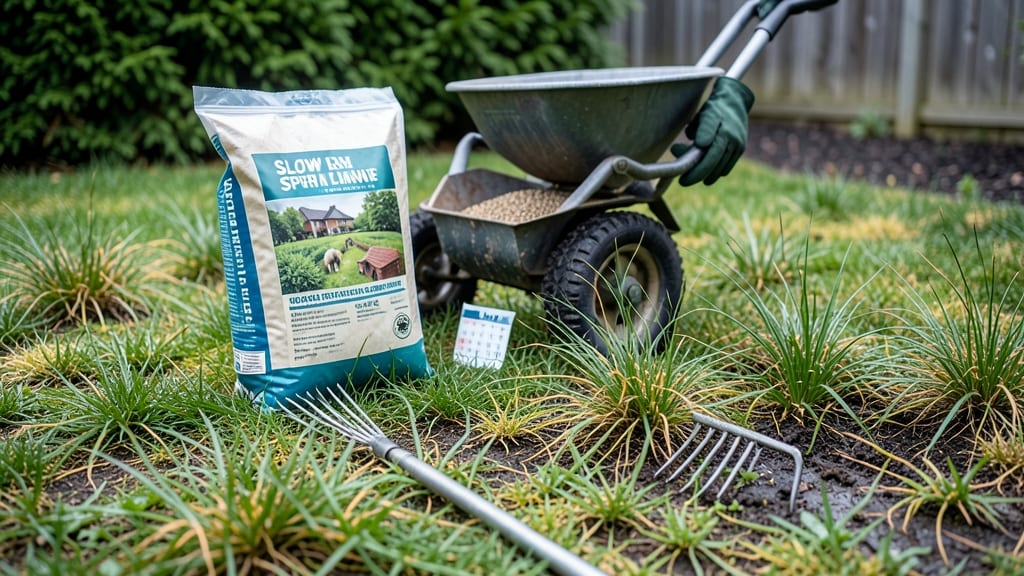
The best time to fertilize your lawn in spring is after soil warms to 55°F — typically mid-April in most regions, but timing shifts with your grass type and local frost dates.
Timing your spring lawn fertilization perfectly can mean the difference between a lush, green carpet and a patchy, struggling yard—so when exactly should you apply fertilizer for maximum results?
For cool-season grasses like Kentucky bluegrass or fescue, wait until soil temperatures hit 55°F (usually after the last frost) to avoid shocking dormant roots. Warm-season grasses, like Bermuda or Zoysia, need fertilizer earlier—before summer heat peaks—to kickstart growth.
Below, I’ll break down the exact window for your region, how to check soil readiness, and the 3 mistakes that waste fertilizer and harm your lawn.

Optimal spring fertilization timeline for cool-season vs. warm-season lawns
Spring fertilization timing isn't one-size-fits-all—your grass type and local climate dictate the perfect window. Cool-season grasses like Kentucky bluegrass and fescue need fertilizer after soil warms to 55°F, while warm-season varieties such as Bermuda and Zoysia thrive with early applications.
Getting this wrong can lead to weak growth or wasted fertilizer. Let's break down the science and regional adjustments to ensure your lawn gets the right nutrients at the right time.
Soil temperature is the critical factor for spring fertilization timing. For cool-season grasses, waiting until soil reaches 55°F ensures the fertilizer activates when grass is actively growing. In contrast, warm-season grasses need fertilizer 4-6 weeks before peak heat to establish roots before summer stress.
Regional frost dates further refine these windows—northern climates may delay fertilization until late April, while southern zones can start as early as February.
Here's why timing matters: Cool-season grasses grow best in moderate temperatures (60-75°F), while warm-season grasses thrive in hotter conditions (80-95°F). Applying fertilizer too early to cool-season grass wastes nutrients, and fertilizing warm-season grass too late means missed growth opportunities.
Let's compare the ideal windows for each type using soil temperature and regional climate as our guides.
| Grass Type | Ideal Soil Temp | Best Fertilization Window | Regional Adjustments | Key Growth Signal |
|---|---|---|---|---|
| Cool-Season (Kentucky Bluegrass, Fescue, Ryegrass) | 55-65°F | Late March - Early May | Northern zones: Wait until after last frost. Southern zones: Start by March 15. | Grass turns green and grows 1-2 inches. |
| Warm-Season (Bermuda, Zoysia, St. Augustine) | 65-75°F | February - Early April | Southern zones: Apply by March 1. Northern zones: Wait until soil warms consistently. | New green shoots appear after dormancy. |
For cool-season grasses, the late March to early May window aligns with soil warming and active growth. In my Zone 5 garden, I wait until mid-April when soil hits 58°F—this ensures the fertilizer kickstarts growth just as days lengthen.
A soil thermometer is your best tool here; if your grass is still dormant, nutrients will just leach away.
Warm-season grasses, however, need an earlier push. In Zone 8, I fertilize Bermuda grass in late February to give roots a head start before summer heat.
The goal is to stimulate root development before peak temperatures, which can stress new growth. Think of it as a pre-season training for your lawn.
Regional climate plays a huge role. In northern states, late frosts can delay fertilization until after May 1, while southern lawns may need fertilizer by February 15.
Check your last frost date and adjust accordingly—cool-season grasses need 4-6 weeks of warm soil before fertilization, while warm-season types need 6-8 weeks before summer.
Pro tip: Mow first, then fertilize. A 1-inch mowing before application removes thatch and helps nutrients reach the roots. I always fertilize in the early morning to avoid burning grass in afternoon heat. Water lightly after application to activate granules without washing them away.
Overlooking soil temperature can backfire. I once fertilized Kentucky bluegrass in March when soil was still 48°F—the fertilizer just sat there until it rained, wasting money and harming nearby plants. Always test soil temperature at 4-inch depth before applying.
Finally, consider slow-release fertilizers for cool-season grass—they provide steady nutrients as soil warms. For warm-season types, a balanced NPK (16-4-8) in early spring sets the stage for summer vigor. Adjust based on your grass type and local growing conditions for a lush, green lawn all season.
5 Signs your lawn is ready for spring fertilizer (and 3 mistakes to avoid)
Spring is the perfect time to give your lawn the nutrients it needs to thrive, but timing is everything. Applying fertilizer too early can waste resources while waiting too long lets weeds and thin patches take over.
The key is recognizing when your lawn signals it's ready for that nutrient boost. Here’s how to know it’s time—and what to avoid.
First, check for new grass growth after winter dormancy. If you see fresh green blades emerging (even if sparse), your lawn is waking up and ready for fertilizer.
This usually happens when soil temperatures consistently reach 55°F or warmer, typically in late March or April, depending on your climate zone. Don’t rush it—waiting ensures the fertilizer works efficiently.
Next, look for sprouting weeds. Weeds like dandelions and crabgrass appear when soil warms, signaling your lawn’s active growth phase. This is your cue to fertilize, as weeds compete for nutrients.
However, avoid fertilizing if weeds are the only thing growing—this could mean your soil lacks essential nutrients, and a soil test may be needed first.
- Soil Temperature: Wait until soil reaches 55°F+ (use a soil thermometer). Fertilizer won’t activate below this threshold, wasting your investment.
- Grass Growth: Look for 1-2 inches of new growth after dormancy. This shows roots are active and ready to absorb nutrients.
- Weed Presence: Sprouting weeds (like dandelions) indicate soil warmth and active growth—ideal for fertilizing.
- Moisture Levels: Soil should be damp but not soggy. Fertilizer works best when grass roots can absorb it easily.
- Lawn Color: If grass turns dull green or yellowish, it’s deficient in nitrogen and primed for fertilization.
One common mistake is over-fertilizing in early spring. Too much nitrogen can burn tender new grass shoots and harm the environment by runoff. Stick to a high-nitrogen, slow-release fertilizer (like 30-0-4) and apply it at half the recommended rate if your lawn looks healthy but thin.
Always follow the label instructions for your specific grass type.
Another pitfall is ignoring soil pH. If your lawn’s soil is too acidic or alkaline, fertilizer won’t work effectively. Test your soil’s pH (ideal range: 6.0–7.0) and amend it with lime (for acidic soil) or sulfur (for alkaline soil) before applying fertilizer.
Skipping this step can leave your lawn looking lackluster despite your efforts.
Finally, avoid fertilizing when frost is forecasted or during extreme heat. Cold temperatures slow nutrient absorption, while heat can cause fertilizer to burn grass blades. Early morning applications (before 10 AM) are ideal—they allow nutrients to soak in without evaporating or washing away.
Water your lawn lightly after fertilizing to help activate the nutrients.
By paying attention to these 5 readiness signs and avoiding these 3 common mistakes, you’ll set your lawn up for a season of vibrant growth. The right timing and preparation make all the difference between a mediocre lawn and a showstopper. 🌱