
Lawn
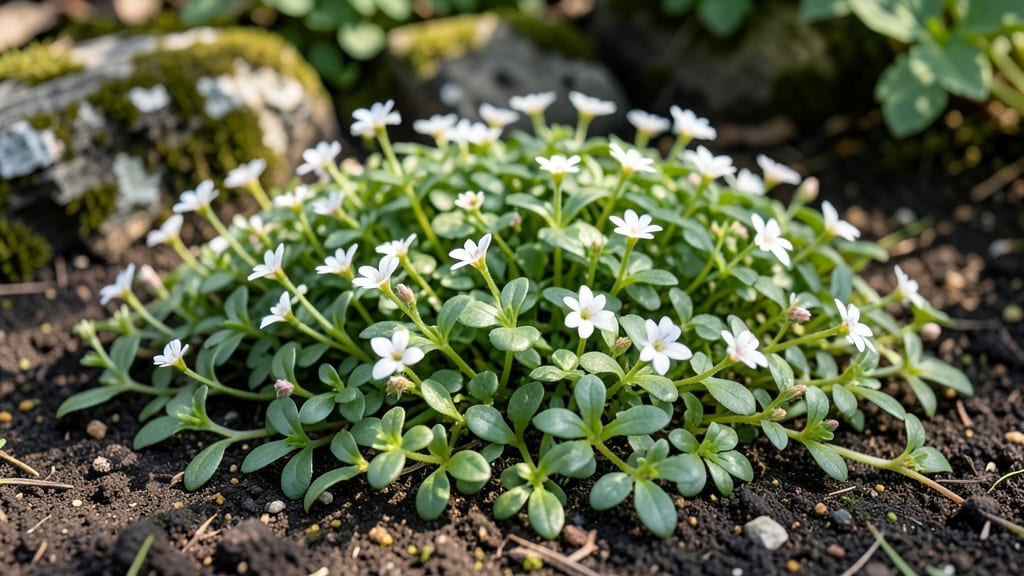
Common lawn chickweed might look harmless, but it’s the sneaky weed that spreads faster than you can pull it. 🌱 I’ve battled this stuff for years—it’s the green carpet that turns your lawn into a tangled mess by spring.
The good news? It’s one of the few weeds you can actually make disappear in weeks with the right approach.
This guide covers everything: how to spot it (those tiny white flowers are a dead giveaway), why it thrives in shady, damp spots, and the most effective ways to kick it out—from smothering it with cardboard to using vinegar sprays that actually work.
No more wasting hours on hand-pulling that just brings back more.
You’ll learn which methods are fastest (vinegar for instant kill) and which are best for prevention (proper mowing and overseeding). Chickweed isn’t all bad—it’s edible and even has medicinal uses—but in your lawn? It’s a nuisance that’s easier to control than you think.
Whether you’re dealing with a small patch or a full lawn takeover, these strategies will get your grass back in control. Let’s turn that chickweed carpet into a lush, weed-free yard—permanently.
Why Lawn Weeds Take Over
If you’ve ever stared in frustration at a patch of common lawn chickweed (or any stubborn weed) spreading across your yard, you’re not alone. These resilient plants don’t just appear out of nowhere—they thrive because of specific conditions in your lawn.
Understanding the root causes helps you tackle them effectively. Let’s break down why these weeds become so persistent and how to address the real triggers.
Chickweed and similar weeds love moisture—too much moisture. Overwatering or compacted, poorly draining soil creates the perfect breeding ground for these plants. Here’s why:
- Excess water: Chickweed thrives in damp conditions because its shallow roots absorb moisture quickly. If your lawn stays soggy for extended periods, weeds like this outcompete grass roots, which struggle in waterlogged soil.
- Compacted soil: Heavy foot traffic, machinery, or clay-heavy soil compresses the ground, reducing oxygen flow to grass roots. This weakens your lawn, leaving gaps for weeds to invade.
- Thatched buildup: A thick layer of dead grass and debris (thatch) traps moisture and blocks sunlight, creating an ideal microclimate for chickweed to sprout and spread.
Actionable fix: Improve drainage by aerating your lawn in fall or spring, and adjust your watering schedule to 1–1.5 inches per week (including rain). Let the top inch of soil dry between waterings to discourage weed growth.
Weeds like chickweed exploit weak spots in your lawn. When grass is sparse, thin, or struggling, these opportunistic plants fill the void. Here’s what weakens your turf:
- Nutrient deficiencies: Lack of nitrogen, phosphorus, or potassium stunts grass growth, leaving bare patches. Chickweed thrives in these gaps because it grows quickly in low-light conditions.
- Pests or disease: Grubs, chinch bugs, or fungal infections (like brown patch) kill grass, creating open spaces for weeds to take root.
- Improper mowing: Cutting grass too short (scalping) stresses it, while leaving it too tall shades the soil and encourages weed seeds to germinate.
Actionable fix: Test your soil and fertilize in early spring or fall to boost grass density. Mow at 3–4 inches high and sharpen your mower blade to avoid tearing grass. Address pest or disease issues promptly with targeted treatments.
Chickweed reproduces rapidly through both seeds and stolons (creeping stems that root at nodes). Even a few plants can become a lawn takeover in weeks. Here’s how it happens:
- Wind and water dispersal: Lightweight chickweed seeds hitchhike on breezes or wash into your lawn during rain, landing in moist, disturbed soil.
- Dormant seed banks: Weed seeds can lie dormant in soil for years until conditions (like foot traffic or soil disturbance) trigger germination.
- Animal activity: Birds, pets, or even lawn equipment can inadvertently spread seeds or fragments of chickweed plants to new areas.
Actionable fix: Remove chickweed before it seeds (pull or cut at the base). Overseed bare spots with a dense, competitive grass variety (like tall fescue or perennial ryegrass) to outcompete weeds. Solarize affected areas in summer by covering them with clear plastic for 4–6 weeks to kill dormant seeds.
Soil pH and fertility play a huge role in whether your lawn stays weed-free. Chickweed often flourishes when:
- pH is too high or low: Ideal lawn pH is 6.0–7.0. Outside this range, grass struggles, while weeds like chickweed adapt to acidic or alkaline conditions.
- Excessive organic matter: While compost improves soil, too much can create a nitrogen-rich but weed-friendly environment, especially if the organic material isn’t fully decomposed.
- Herbicide resistance: Some chickweed populations develop resistance to common pre-emergent herbicides, making them harder to control with chemicals alone.
Actionable fix: Test your soil’s pH and amend it with lime (to raise pH) or sulfur (to lower it). Use a balanced fertilizer (e.g., 10-10-10) in early spring and fall. For resistant weeds, combine natural remedies (like vinegar or corn gluten meal) with cultural controls for best results.
How to Treat Stubborn Lawn Weeds
Now that you understand why those pesky weeds—like common lawn chickweed—keep creeping into your yard, it’s time to tackle them effectively. The good news? You don’t need harsh chemicals to banish them. With the right approach, you can restore your lawn’s health naturally and keep weeds at bay for good.
Below, we’ve mapped out practical, step-by-step solutions based on the most common causes of weed infestations, plus prevention tips to stop them from returning.
---
If your lawn stays soggy or gets drenched too often, weeds like chickweed thrive in damp conditions. Here’s how to dry things out and discourage their growth:
1. 🍳 Adjust Your Watering Schedule - Water deeply 2–3 times per week (early morning is best) instead of daily light sprinkles. - Aim for 1–1.5 inches of water per session—use a rain gauge or tuna can to measure. - Let the top 2–3 inches of soil dry between waterings to prevent fungal issues and weed seeds from germinating.
2. 👨🍳 Improve Soil Drainage - If your yard has clay soil, amend it with compost or sand (50/50 mix) to help water drain faster. - For low spots, grade the lawn slightly to encourage runoff. - Consider installing a French drain if water pools in specific areas.
3. ⏰ Aerate Compacted Soil - Rent a core aerator (or hire a pro) to pull small soil plugs, allowing air, water, and roots to penetrate deeper. - Do this in early fall or spring when grass is actively growing.
💡 Pro Tip: After aerating, top-dress with 1/4-inch of compost to feed grass roots and crowd out weeds naturally.
---
Weeds move in when grass is struggling. Boost your lawn’s resilience with these fixes:
1. 🔪 Mow High and Often - Set your mower to 3–4 inches—taller grass shades out weeds and develops deeper roots. - Never cut more than 1/3 of the grass blade at once to avoid stressing it.
2. 🌡️ Feed Your Grass Properly - Test your soil (DIY kits are affordable) to check pH and nutrient levels. - Apply a slow-release, organic fertilizer (like compost or alfalfa meal) in early spring and fall. - For acidic soil (pH < 6.0), spread pelletized lime according to package instructions.
3. 🎯 Overseed Bare Spots - Fill thin areas with high-quality grass seed matched to your climate (e.g., tall fescue for cool regions, Bermuda for warm). - Lightly rake the soil, spread seed, and keep it moist (not soggy) until germination (about 10–14 days).
✨ Prevention Hack: Plant clover or creeping thyme in shady or high-traffic areas—they’re drought-tolerant and suppress weeds naturally.
---
If weeds dominate in high-traffic or low-light areas, consider alternative ground covers instead of fighting them:
1. 🏡 Replace Grass in Problem Areas - Shady spots: Try hostas, moss, or creeping juniper—they thrive where grass won’t. - High-traffic zones: Use gravel, mulch, or pavers to eliminate weeds entirely.
2. 🔄 Rotate Play Areas - If kids or pets always play in one spot, rotate their play zones to prevent soil compaction and weed growth.
3. 🌿 Use Mulch in Garden Beds - Apply 2–3 inches of wood chips or straw around plants to block sunlight and smother weeds.
---
For existing chickweed, try these non-toxic methods before reaching for herbicides:
| Method | How to Use | Best For | |--------------------------|---------------------------------------------------------------------------------|-------------------------------| | 🔥 Boiling Water | Pour 1–2 gallons directly on weeds (avoid grass).
Repeat weekly. | Small patches, sidewalks | | 🍳 Vinegar Spray | Mix 1 gallon white vinegar + 1 oz dish soap + 1 cup salt.
Spray on weeds (test a small area first). | Driveways, cracks | | 🌱 Corn Gluten Meal | Sprinkle 20 lbs per 1,000 sq ft in early spring to prevent weed seeds from germinating. | Lawn prevention | | 🥘 Smothering | Lay cardboard + mulch over weeds for 4–6 weeks to block sunlight. | Large infested areas |
⚠️ Warning: Vinegar and salt can harm grass—spot-test first and avoid windy days.
--- Once your lawn is healthy, maintain these habits to prevent chickweed from returning:
- 📅 Stay on a seasonal lawn-care schedule: - Spring: Overseed, fertilize, and aerate. - Summer: Water deeply, mow high, and monitor for pests. - Fall: Apply pre-emergent (like corn gluten) and top-dress with compost. - Winter: Leave grass clippings as "free mulch" to return nutrients.
- 🌱 Encourage Beneficial Microbes: - Use mycorrhizal fungi or compost tea to boost soil health—strong soil = fewer weeds.
- 🔍 Pull Weeds Early: - Chickweed spreads via seed and runners, so remove it by hand (including roots) when small.
--- By addressing the root causes (literally!) of your weed problems and adopting a proactive lawn-care routine, you’ll see chickweed vanish—and keep it from staging a comeback. Healthy grass is the best weed killer! 🌱✨
Frequently asked questions
Is common lawn chickweed actually harmful to my grass?
Not directly, but it competes aggressively with grass for water, nutrients, and sunlight. Chickweed spreads rapidly through runners and seeds, creating dense mats that smother grass roots. Left unchecked, it can weaken your lawn’s overall health by preventing grass from establishing strong root systems.
Why does chickweed always come back after I pull it?
Because chickweed spreads through both seeds and creeping stems (stolons). Even small root fragments left in the soil can regrow, and its lightweight seeds travel easily on wind or water. Pulling isn’t enough—you must remove the entire root system or use smothering methods like mulch to prevent regrowth.
Can I use vinegar to kill chickweed without hurting my grass?
Only with caution. A 20% vinegar solution (1 part vinegar to 4 parts water) can work, but it’s non-selective—it’ll kill grass too. For spot treatment, apply only to chickweed patches on sunny days when grass is dry. Test a small area first, and avoid windy conditions to prevent drift. For lawns, vinegar isn’t recommended long-term.
Does chickweed have any benefits I should know about?
Yes! Chickweed is edible and has medicinal uses. Its leaves are rich in vitamins A and C, and it’s often used in salads or teas. Some gardeners even let it grow in vegetable patches as a natural ground cover. However, in lawns, its rapid spread usually outweighs any benefits—it’s best controlled there.
What’s the fastest way to eliminate chickweed from my lawn?
For immediate results, combine these methods:
- Smother with thick cardboard or newspaper for 4–6 weeks
- Apply a targeted vinegar spray (20% solution) to visible patches
- Overseed bare spots with dense grass seed