
Lawn
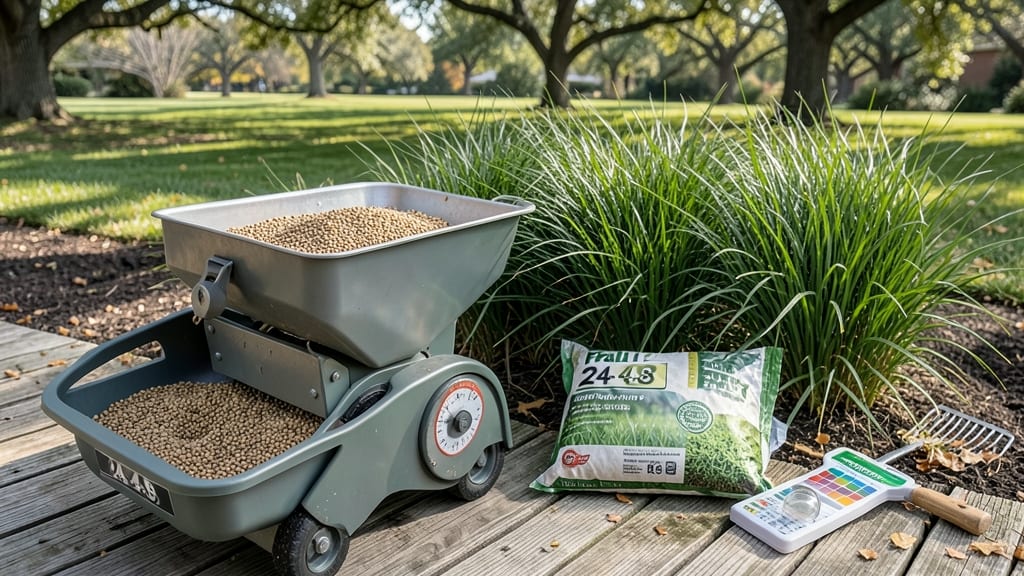
To fertilize your lawn in fall, aim for the window between late September and early November, allowing grassroots to strengthen before winter dormancy—critical for cool-season varieties like Kentucky bluegrass. Warm-season grasses may benefit from a lighter feed in early fall before entering dormancy.
Fall fertilization works because cooler temperatures and increased moisture trigger root growth, while fertilizer nutrients like nitrogen and potassium convert to grass resilience. 🌱 The goal is to give your lawn a final boost before winter sets in, ensuring it can withstand cold snaps and recover faster in spring.
For warm-season grasses, a lighter application in early fall prepares them for dormancy without overstimulating growth.
Timing varies by climate zone—Northern regions should fertilize closer to late September, while Southern lawns can extend to early November. Always avoid fertilizing within 4-6 weeks of frost, as this can cause winter burn.
A soil test before application helps determine nutrient needs, ensuring your lawn gets exactly what it requires for optimal health.
💡 In This Article
- Fall Fertilizing Science: Why Timing Matters for Grass Growth
- Fall Fertilizer Schedule by U.S. Climate Zones
Fall fertilizing science: why timing matters for grass growth
The biological magic of fall fertilization happens because cooler temperatures and increased moisture create the perfect conditions for grassroots to grow deeper. When daytime highs drop to 60-70°F and nights stay above 40°F, grass plants shift their energy from leaf growth to root development—a process called root hardening.
This is when nutrients from fertilizer, particularly nitrogen and potassium, get absorbed most efficiently to strengthen cell walls and store energy for winter dormancy.
Cool-season grasses like Kentucky bluegrass and fescue thrive in this scenario because their natural growth cycle aligns perfectly with fall's conditions. These grasses can absorb up to 60% more nutrients in fall compared to summer, thanks to slower microbial activity in the soil that reduces nutrient loss.
Warm-season grasses, however, behave differently—they enter dormancy when temperatures drop below 60°F, so any fertilizer applied too late risks burning tender new growth or being wasted as the grass goes dormant.
Timing is everything because late applications—within 4-6 weeks of frostwinter burn, where fertilizer salts draw moisture from grass blades, turning them brown. The ideal window ensures grass has time to metabolize nutrients before dormancy sets in.
For example, a 16-4-8 fertilizer (high nitrogen, moderate phosphorus, high potassium) applied in early October gives cool-season grasses just enough time to strengthen before winter, while the same product applied in November might sit unused in the soil.
Soil moisture plays a crucial role too. Fall's frequent rainfall helps dissolve fertilizer granules, allowing nutrients to reach roots more effectively than in dry summer conditions.
However, if your region experiences early frost or drought, adjust your schedule—always prioritize applying fertilizer when the ground stays above 50°F for at least 2-3 weeks after application to prevent nutrient lockout in frozen soil.
Here's what's actually happening at the cellular level: Fertilizer nutrients trigger enzymatic activity in grass roots, promoting the production of pectin and lignin—compounds that strengthen cell walls. This process is most efficient when temperatures are cool but not freezing, creating a resilience buffer against winter stress.
Think of it like giving your lawn a nutritional insurance policy for the cold months ahead.
For warm-season grasses like Bermuda or Zoysia, the approach differs slightly. A light application in early September (before temperatures drop below 65°F) helps them transition into dormancy more smoothly, while avoiding the rapid growth that would occur with a full dose.
This lighter feed focuses on building root reserves rather than stimulating top growth, which would be wasted energy before dormancy.