
Lawn
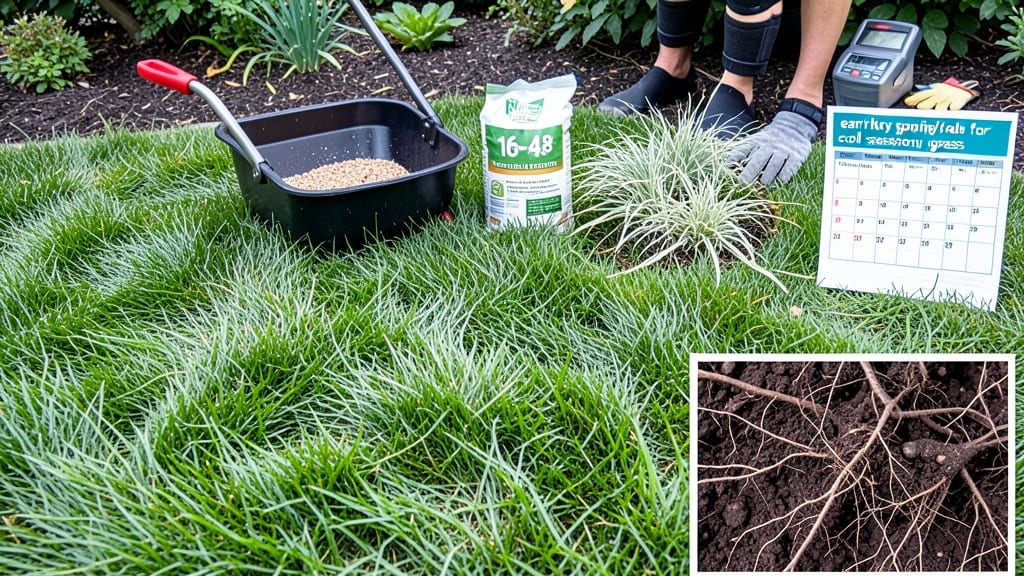
To fertilize your lawn at the right time, apply in early spring (late March to early April) for cool-season grasses and late spring (May to June) for warm-season grasses, with a fall application (September to October) for most regions. Always test soil first to adjust nutrient needs properly.
Timing matters because lawn grasses grow most actively during specific seasons—cool-season types like fescue and bluegrass peak in spring and fall, while warm-season grasses like Bermuda and Zoysia thrive in summer. 🌱 The right nutrients at the wrong time can waste money or even harm your grass.
I always recommend marking your calendar for these key windows, as missing them means weaker roots and less vibrant color throughout the growing season.
Before applying fertilizer, conduct a simple soil test using a DIY kit from your local garden center. This helps identify pH levels and nutrient deficiencies, so you can choose the right fertilizer blend.
For example, if your soil is acidic, you might need to add lime before fertilizing. Skipping this step often leads to over-fertilization, which can burn grass or pollute nearby water sources.
💡 In This Article
- Seasonal Fertilizing Guide for Grass Types
- Pre-Fertilizing Soil Test Checklist
Seasonal fertilizing guide for grass types
Grass types respond to fertilizer based on their natural growth cycles, which are triggered by temperature and daylight. Cool-season grasses like Kentucky bluegrass and fescue thrive when daytime temperatures range between 60-75°F, making early spring (late March to early April) ideal for their first feeding.
This timing aligns with their active growth phase after winter dormancy, when roots are expanding rapidly to absorb nutrients. Warm-season grasses like Bermuda and Zoysia, however, prefer temperatures above 80°F, so late spring (May to June) is when they start growing vigorously and need fertilizer.
The science behind this involves photosynthesis and root development. Cool-season grasses grow best with 12-14 hours of daylight, which peaks in spring and fall, while warm-season grasses prefer 14-16 hours of daylight during summer.
Fertilizer applied during these optimal windows ensures nutrients are used efficiently for leaf growth and root strengthening. For instance, a 10-10-10 fertilizer blend (equal parts nitrogen, phosphorus, potassium) in spring helps cool-season grasses recover from winter stress, while a high-nitrogen formula (30-0-4)** in summer supports warm-season grasses' rapid growth.
Fall fertilization (September to October) benefits both grass types by promoting deep root growth before winter. Cool-season grasses use this time to store nutrients for spring, while warm-season grasses go dormant but still need a light feeding to maintain health.
Think of it like preparing for a long nap—your lawn stores energy for the next growing season. 🌱 I've seen lawns with thick, green blades after winter precisely because they received this late-season boost.
Regional climate variations can shift these windows slightly. In warmer southern states, warm-season grasses may start growing as early as April, while northern regions might delay cool-season fertilization until May. Always check your local USDA planting zone for precise timing.
For example, in Zone 5, early spring might mean waiting until late April, whereas in Zone 8, late spring could begin in early May.
Overlooking these seasonal differences can lead to wasted fertilizer or even grass damage. I once saw a neighbor apply summer fertilizer to their cool-season lawn in June—the result was brown patches from nutrient burn. The key is matching the fertilizer's nutrient ratio to your grass type's current needs.
Cool-season grasses need more phosphorus in early spring for root development, while warm-season grasses prioritize nitrogen in summer for leaf growth.