
Mower
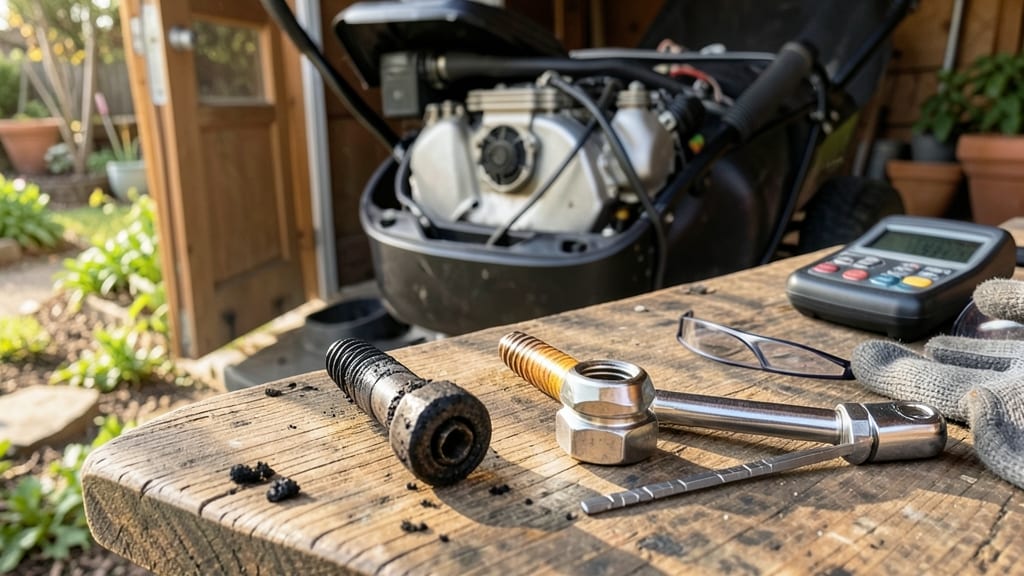
To tell if a lawn mower spark plug is bad, look for black, oily deposits on the electrodes, excessive wear or pitting on the tip, white chalky buildup from fuel additives, or a cracked insulator. These symptoms cause misfires, rough starts, or engine hesitation—replace it immediately if you notice any.
Your lawn mower's spark plug is the unsung hero of smooth starts, and when it fails, you'll notice it right away. 🔥 Black deposits on the electrodes usually mean your fuel mix is too rich, while white chalky buildup often signals oil leaks or fuel additives burning off.
Pitting on the tip? That's a classic sign of overheating, which can happen if your engine isn't getting proper airflow.
The good news is that most of these issues have clear fixes—whether it's adjusting your fuel ratio, checking your oil levels, or simply replacing the plug with the right gap setting for your mower model.
What's interesting is how lawn mower spark plugs differ from car plugs. Lawn mowers typically run leaner mixtures and see more frequent starts/stops, which means they wear out faster.
That's why I always recommend checking your spark plug every 25 hours of use or at the start of each mowing season—preventative maintenance saves you from being stranded mid-lawn with a stubborn engine.
💡 In This Article
- Common Spark Plug Damage Patterns and What They Mean
- Step-by-Step Spark Plug Inspection and Replacement Guide
Common spark plug damage patterns and what they mean
The science behind spark plug damage starts with combustion chemistry. Black, oily deposits on the electrodes typically indicate a rich fuel mixture—meaning your lawn mower is getting too much fuel relative to air. This creates incomplete combustion, leaving carbon soot behind.
In lawn mowers, this often happens when the carburetor isn't calibrated properly or when using older gasoline that's broken down (ethanol blends degrade faster than pure gasoline). The excess fuel also prevents proper spark generation, leading to misfires and rough idling.
White chalky deposits, on the other hand, suggest oil leaks or excessive heat. These deposits form when oil burns off due to overheating or when oil seeps past the piston rings into the combustion chamber.
In lawn mowers, this is more common than in cars because small engines run hotter and often have less efficient cooling systems. The white color comes from burned lubricants combining with calcium or other additives in the oil.
This condition can cause pre-ignition (knocking) and damage to the piston crown over time.
Pitting on the spark plug tip is a clear sign of overheating, often caused by incorrect spark plug heat range or poor engine tuning.
Lawn mower engines typically use colder spark plugs (like NGK CP7H or Champion C7H) compared to cars, because they run at lower RPMs but still need to dissipate heat effectively. When the plug runs too hot, the electrodes erode rapidly, creating tiny craters that disrupt the spark.
This leads to intermittent misfires that feel like the engine is "bucking" or "stumbling" during operation.
A cracked or broken insulator is the most visually obvious failure mode. The insulator's ceramic material is designed to withstand extreme heat cycles, but repeated thermal stress (common in small engines that start/stop frequently) can cause micro-cracks. These cracks allow voltage to leak, preventing proper spark generation.
In lawn mowers, this often happens after 50+ hours of use if the plug wasn't replaced regularly. The crack may start small but grows with each ignition cycle, eventually leading to complete failure.
What's interesting about lawn mower spark plugs is how their failure patterns differ from automotive plugs. Lawn mower engines typically run at 3000-3600 RPM compared to cars' 1500-6000 RPM range, which means they experience more frequent starts/stops and less consistent airflow.
This creates unique wear patterns—like more frequent electrode erosion and carbon tracking (where carbon deposits bridge the gap between electrodes). The smaller combustion chambers also mean deposits build up faster, affecting performance sooner.
For example, a black, oily plug in a car might indicate a clogged air filter, but in a lawn mower, it's more likely due to a dirty carburetor jet or improper fuel/oil mix ratio (typically 50:1 for modern 2-stroke engines).
Understanding these patterns helps you diagnose whether the issue is mechanical (carburetor), fuel-related, or simply time for a plug replacement. Regular inspection every 25 hours of use prevents these problems from escalating.