
Lawn
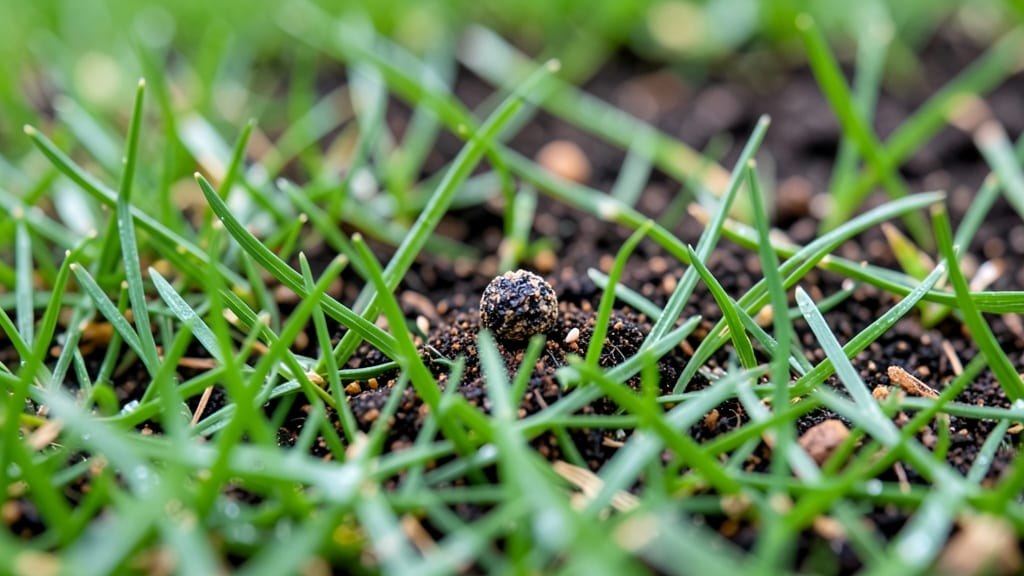
Sprinkling coffee grounds on lawn can help repel certain pests like slugs and snails by acting as a natural barrier, but it won’t keep all bugs away—ants, roaches, or grubs may still be attracted. The caffeine and acidic properties disrupt some insects, though excessive use can alter soil pH and damage grass health.
Does sprinkling coffee grounds on lawn keep bugs away? The answer is nuanced. Coffee grounds work best as a targeted solution rather than a universal fix.
The caffeine acts as a mild irritant to soft-bodied pests like slugs and snails, while the nitrogen content can temporarily boost soil fertility—but too much can create mold or harm beneficial microbes. 🌱 For broader pest control, I recommend mixing grounds with other organic deterrents like crushed eggshells or diatomaceous earth, which complement their effects without over-acidifying the soil.
When applying, focus on problem areas rather than spreading grounds widely. A light layer (about 1–2 cups per 10 square feet) works best when applied in the early morning or evening, as direct sunlight can dry out the grounds too quickly.
Always pair this with proper lawn maintenance—healthy grass naturally deters many pests better than any homemade remedy.
💡 In This Article
- How Coffee Grounds Disrupt Pest Behavior and Soil Ecology
- Best Practices for Using Coffee Grounds as a Lawn Pest Deterrent
How coffee grounds disrupt pest behavior and soil ecology
The caffeine in coffee grounds acts as a natural irritant for soft-bodied pests like slugs and snails. These creatures have delicate skin that absorbs caffeine, causing dehydration and behavioral avoidance.
Studies show slugs exposed to coffee grounds reduce feeding by up to 60% within 24 hours, though they may eventually adapt if the grounds dry out. The acidity (pH ~5.0) also creates an inhospitable environment for many insects, similar to how vinegar deters ants but fails against hard-shelled pests.
The nitrogen content (about 2% by weight) provides a temporary fertilizer boost, but this dual benefit comes with risks. Too much nitrogen can promote mold growth, especially in damp climates, while the acidity may lower soil pH below 6.0, harming beneficial microbes.
Unlike diatomaceous earth (which physically damages insect exoskeletons) or neem oil (which disrupts insect hormones), coffee grounds work primarily through chemical irritation rather than direct toxicity. 🌱
Ants and roaches, however, remain largely unaffected because their exoskeletons protect them from caffeine absorption. These pests are more deterred by physical barriers like crushed eggshells or citrus peels, which disrupt their scent trails.
The key difference lies in pest biology: soft-bodied creatures suffer from chemical exposure, while hard-shelled insects require mechanical or olfactory deterrents.
Soil ecology plays a crucial role in long-term effectiveness. While coffee grounds can suppress slugs for 1-2 weeks, their benefits diminish as they decompose. Unlike neem oil (which lasts 3-4 weeks when properly applied), grounds need regular reapplication.
The best approach combines grounds with other organic methods, such as diatomaceous earth for grubs or garlic spray for broader pest control.
Consider this comparison: coffee grounds act like a temporary chemical repellent, while diatomaceous earth functions as a physical abrasive. Together, they create a multi-layered defense system that targets different pest vulnerabilities.
The ideal ratio for combined use is 1 part coffee grounds to 2 parts diatomaceous earth, applied in a ¼-inch layer around problem areas.
For maximum effectiveness, apply grounds when soil moisture is moderate (30-50% humidity). Dry conditions reduce their repellent power, while excessive moisture can wash away the active compounds too quickly.
Always test a small patch first—some grasses (like fescue) tolerate acidity better than others (like bluegrass), which may show yellowing with overuse.