
Pruning
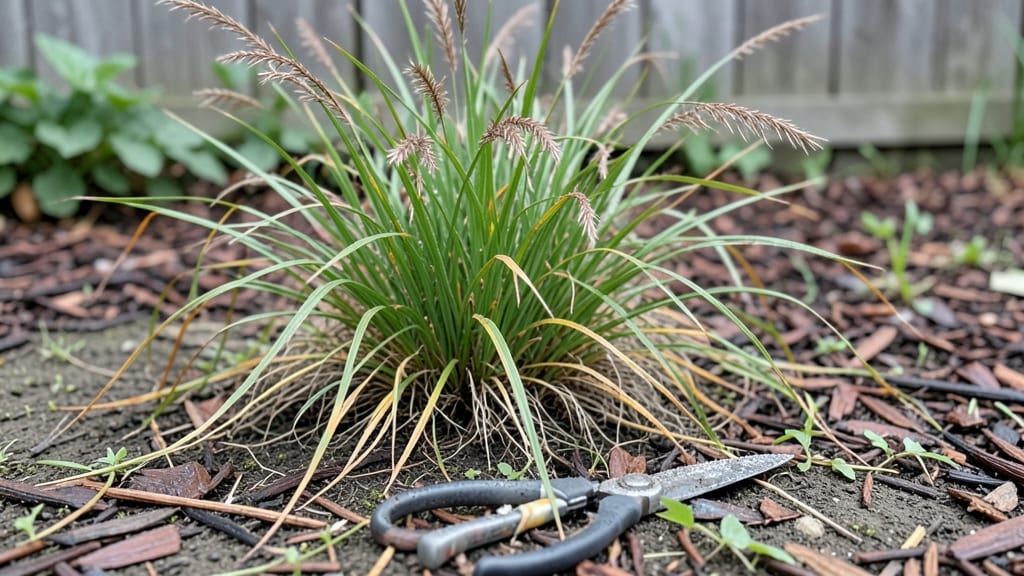
Trimming fountain grass sharpens its look and keeps it thriving all year—here’s how to do it right. ✂️ I’ve learned the hard way that cutting too late or too low turns lush clumps into sad, bare stalks. The secret lies in timing, tools, and a steady hand.
You’ll need sharp pruning shears (dull blades tear grass), gloves, and a clear day when the plant’s dormant—late winter or early spring, before new growth appears. A 3–6 inch height is ideal for most varieties, but always leave some base foliage to protect the crown.
Start by removing dead or brown fronds at the base, then shape the rest with clean cuts. Avoid hacking at the center—this stresses the plant. For Cortaderia (pampas grass), trim back half the plumes to encourage fresh growth while keeping the dramatic look.
Common mistakes? Cutting in fall (stunts growth) or shearing too low (kills the plant). With the right approach, your fountain grass will bounce back stronger and fuller than ever. Ready to give it a fresh start?
📚 In This Guide
- What you need
- Instructions
- Tips and common mistakes
- Wrapping up and next steps
What you need
- ● Heavy-duty pruning shears or hedge trimmers – Opt for bypass-style blades (8–12 inches) for clean cuts. Electric or battery-powered models reduce strain for larger jobs.
- ● Sharp pruning saw – For thick, woody stems (if your fountain grass has matured significantly). Choose a curved blade with fine teeth for precision.
- ● Garden gloves – Heavy-duty, cut-resistant (e.g., leather or reinforced fabric) to protect your hands from sharp blades and thorns.
- ○ Loppers – Bypass-style, 10–14 inches for thicker stems (optional but helpful for stubborn growth).
- ● Wheelbarrow or sturdy trash bags – To haul clippings away post-trimming. Aim for at least 3 cubic feet of capacity for moderate-sized plants.
- ● Water hose with spray nozzle – For rinsing blades mid-task and wetting foliage to reduce dust.
- ● Knee pads or a small stool – Because trimming fountain grass often means getting down low! Comfort is key for long sessions.
- ● Pruning oil or rubbing alcohol – To sterilize blades between cuts and prevent disease spread.
- ● String trimmer (weed whacker) – For trimming hard-to-reach areas or along edges.
- ● Plant food or compost – A balanced 10-10-10 fertilizer or compost to nourish your grass post-prune.
- ● Safety glasses – To shield your eyes from flying debris, especially when using power tools.
- ● Measuring tape – To mark even heights or track progress if shaping a specific design.
How to trim fountain grass for a clean, polished look
Here's the straightforward method I use to keep fountain grass looking sharp all season long.
✂️ Step 1: Gather Your Tools and Timing
First, grab your sharp pruning shears and hand pruners—dull blades tear grass instead of cutting cleanly. I always work on a dry, sunny morning when the grass is fully upright and easier to shape. This is the moment that matters: if you trim after rain, the blades will be slippery and harder to control.
Never trim when the grass is wet—you'll risk spreading disease or damaging the plant. I also recommend wearing gloves to protect your hands from the sharp edges. The right tools make all the difference, especially with fountain grass, which can be thick and fibrous.
✂️ Step 2: Cut at the Right Height and Angle
Fountain grass thrives when cut at one-third of its mature height—this keeps it full and encourages new growth. For most varieties, that means trimming back to about 12-18 inches tall, depending on how tall you want it to stay. Use your shears to make clean, diagonal cuts just above a leaf node (the bump where leaves grow out).
This ensures the plant stays healthy and doesn't look ragged. If you cut too low, you'll expose the bare stems and ruin the natural shape. I like to step back every few cuts to check the overall shape—it's easier to adjust as you go than to fix a messy trim later.
✂️ Step 3: Shape the Fountain Effect
Here's where it gets fun—the fountain shape! Start by trimming the outer edges first, shaping them into a gentle curve. I imagine a teardrop shape when I work, with the widest part at the base and the tips tapering upward. Use your hand as a guide to keep the cuts even.
For thicker clumps, thin out the center slightly to let air circulate—this prevents mold and keeps the grass looking fresh. If a section feels too dense, I'll make a few strategic cuts to open it up. The goal is movement, so don't be afraid to give it a natural, flowing look rather than a perfectly geometric one.
✂️ Step 4: Clean Up and Maintain
After trimming, gather all the clippings and dispose of them properly—don't leave them near the base, as they can smother the plant. I like to use a small rake to tidy up any stray leaves or debris. This is also a great time to check for dead or damaged growth and remove it entirely.
Water the grass lightly after trimming to help it recover, but don't overdo it—fountain grass is drought-tolerant once established. I trim mine every 4-6 weeks during the growing season to keep it looking its best. Real talk: the more you trim, the fuller it grows, so don't skip this step if you want that lush, fountain-like effect.
⏰ Step 5: Seasonal Adjustments
In late fall, I give fountain grass a light trim to remove any dead or brown fronds, but I leave the structure intact. This helps it overwinter better and look fresh come spring. If you live in a cold climate, you might want to wrap the base in burlap for extra protection during harsh winters.
Spring is the best time to do a harder cut to encourage new growth. You'll see fresh green shoots emerging within a few weeks—that's your signal everything is working. Don't skip this (I learned the hard way that skipping spring trims leads to a messy, overgrown look by summer).
Tips & tricks for perfect fountain grass trimming
A few key strategies will help you achieve that polished, professional look every time you trim your fountain grass.
Tool Selection: Invest in high-quality pruning shears with sharp blades—this makes all the difference. I've learned the hard way that dull tools tear the grass instead of cutting cleanly, leaving jagged edges that look unprofessional. For thicker stalks, use hand pruners to make precise cuts. And here's what nobody tells you—store your tools in a dry place to prevent rust, which can dull blades over time.
Timing Secret: The 4-6 week trimming schedule during growing season is perfect because it gives your grass time to recover between cuts. In Step 4, when you're watering lightly after trimming, remember that fountain grass is drought-tolerant once established—don't overwater, as this can cause rot at the base. I've found that trimming in the morning after dew has dried but before midday heat gives the best results.
Shape Strategy: When shaping in Step 3, think about the natural growth pattern of your fountain grass. The teardrop shape works because it mimics how the grass naturally spreads outward from the base. For thicker clumps, make strategic cuts in the center to improve airflow—this prevents mold buildup that can make your grass look dull. I like to take a photo of my finished shape as a reference for next time.
Seasonal Adjustments: The light fall trim in Step 5 is crucial for winter prep. I've seen fountain grass that wasn't trimmed properly in fall develop brown, brittle growth that looks terrible by spring. For cold climates, that burlap wrapping really works—it protects the crown from freezing temperatures while still allowing airflow. In spring, watch for those fresh green shoots as your signal that the harder cut is working.
Pro Tips for Trim Fountain Grass
- A few key strategies will help you achieve that polished, professional look every time you trim your fountain grass.
- Tool Selection: Invest in high-quality pruning shears with sharp blades—this makes all the difference.
- Timing Secret: The 4-6 week trimming schedule during growing season is perfect because it gives your grass time to recover between cuts.
Frequently asked questions
Got questions about keeping your fountain grass looking sharp? Here are some of the most common concerns—and their answers—to help you trim with confidence!
When is the best time to trim fountain grass?
Trim fountain grass in late winter or early spring (just before new growth starts) to maintain its iconic shape. For a cleaner look, you can also do a light trim in mid-summer to remove any straggly foliage. Avoid cutting back in fall or winter, as the plant needs its foliage to protect the crown.
How short can I trim fountain grass without harming it?
Never cut fountain grass below 6–8 inches tall—this can damage the plant’s growing point and leave it vulnerable to cold or pests. Aim to trim just enough to maintain its vase-like shape, rather than drastically reducing its height. If you accidentally overtrim, don’t worry—it’ll bounce back with proper care!
What’s the difference between trimming and pruning fountain grass?
Trimming is light, regular maintenance to shape the plant, while pruning refers to removing dead or damaged foliage (usually in late winter). For fountain grass, trimming is your daily task, but pruning helps keep it healthy long-term. Think of trimming as a haircut and pruning as a deep clean!
Can I trim fountain grass in hot or cold weather?
Avoid trimming in extreme heat or frost. Heat stress can shock the plant, while cold snips may leave it vulnerable to winter damage. Early spring or fall (when temps are mild) are ideal. If you must trim in summer, do it early in the morning or late evening to minimize stress.
What if my fountain grass looks ragged after trimming?
If your grass looks uneven, try these fixes:
- Use sharp shears—dull blades tear foliage.
- Trim in layers—cut a little at a time for a cleaner shape.
- Fertilize lightly after trimming to encourage fresh growth.
- Water deeply to help it recover faster.
Wrapping up and next steps
Trimming fountain grass isn’t just about aesthetics—it’s about revitalizing your yard and keeping your plants healthy year-round! 🌿 With the right tools, timing, and techniques, you can achieve that showstopping, manicured look while ensuring your grass thrives.
Whether you’re a seasoned gardener or a beginner, a little patience and precision go a long way.
Ready to transform your outdoor space? Grab your shears, follow the steps, and enjoy the satisfaction of a perfectly shaped fountain grass that turns heads every season. Your next step? Schedule a weekend project—your yard (and neighbors) will thank you!