
Pruning
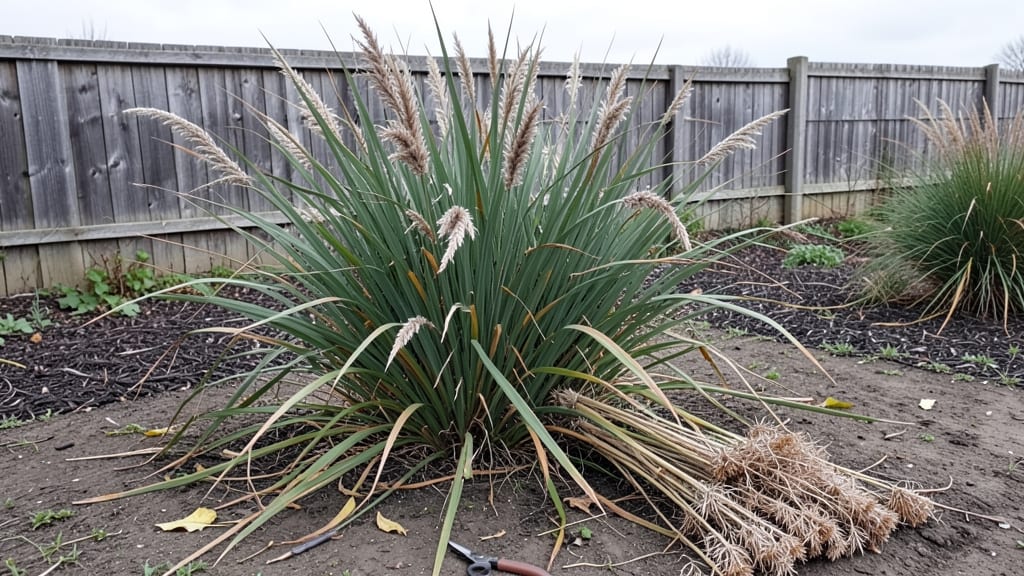
To determine how far to cut back pampas grass, trim it to 12–18 inches tall in late winter or early spring before new growth begins, removing dead foliage while preserving the base to shield the crown and promote fresh shoots. Never cut into woody stems or the center, as this risks damaging the plant.
Pampas grass thrives when pruned at the right height because this height range balances sunlight exposure and energy storage. 🌿 Cutting too low removes the plant's food reserves, while leaving it too tall can lead to floppy stems and reduced airflow.
I’ve found that maintaining 12–18 inches gives the plant just enough structure to support its signature plumes while keeping the crown healthy for next year’s growth.
This timing also aligns with the plant’s natural dormancy period, when it’s less vulnerable to stress. The late winter/early spring window ensures you’re not pruning during active blooming or when the plant is storing energy for summer.
Think of it like giving your pampas grass a fresh start—just enough trim to tidy up without shocking the system.
💡 In This Article
- Pampas Grass Pruning Science: When and Why Height Matters
- Step-by-Step Pampas Grass Trimming Guide by Season
Pampas grass pruning science: when and why height matters
Pampas grass (Cortaderia selloana) enters dormancy in late fall, when temperatures drop below 50°F and daylight shortens. This dormancy period is crucial because the plant redirects energy from leaf production to its crown—the thick, woody base where new shoots emerge.
Pruning during dormancy minimizes stress because the plant isn’t actively growing. 🌱 Cutting back to 12–18 inches removes dead foliage while preserving the crown’s protective layer of insulating leaves, which shields it from frost and soil-borne pathogens like Fusarium or Phytophthora.
The 12–18 inch height range isn’t arbitrary—it’s a balance between aesthetics and biology. Leaving stems this tall ensures the plant retains enough photosynthetic surface area to fuel regrowth in spring. Studies show that pampas grass stores 70% of its energy reserves in the lower third of its stems.
Cutting below 12 inches risks severing these energy stores, leading to weak or stunted new growth. Conversely, leaving it taller than 18 inches can create a dense, floppy center that traps moisture, inviting fungal diseases like powdery mildew.
Over-trimming also disrupts the plant’s natural apical dominance, where the topmost buds control growth. When you cut too aggressively, lateral buds below the cut line may sprout chaotically, resulting in a bushy, unkempt appearance. The crown itself is particularly vulnerable—it’s a meristematic zone where all new shoots originate.
Damaging it can take 2–3 years to recover, if at all. This is why pruners should avoid cutting into the woody, rigid stems at the base, which can’t regenerate like the softer, green growth higher up.
Late winter/early spring timing (February–March in most climates) aligns with the plant’s natural awakening. As temperatures rise above 55°F, the crown begins producing new shoots from dormant buds. Pruning just before this surge ensures the plant isn’t stressed during its most vulnerable phase.
Think of it like trimming a bonsai: you’re shaping the plant’s future growth while respecting its biological rhythms. 🌿 The 12–18 inch height also provides enough structural support for the iconic plumes to develop fully, which typically reach 6–10 feet in mature plants.
What most gardeners overlook is how pruning height affects root zone health. The base of pampas grass hosts mycorrhizal fungi, which help absorb water and nutrients. Cutting too low can sever these beneficial relationships.
Additionally, the insulating layer of old leaves protects the crown from temperature fluctuations—a critical factor in regions with freeze-thaw cycles. For example, in USDA Zone 8, leaving the base intact can mean the difference between a plant that survives winter and one that succumbs to crown rot.
For a real-world example, consider a 5-year-old pampas grass in a California garden. If pruned to 10 inches in summer, it may produce sparse, weak plumes the next season.
But if trimmed to 15 inches in late February, it’ll burst with vibrant, dense plumes by summer, thanks to preserved energy reserves and undisturbed root-fungus symbiosis. The key is patience—rushing the process can backfire spectacularly.