
Pruning
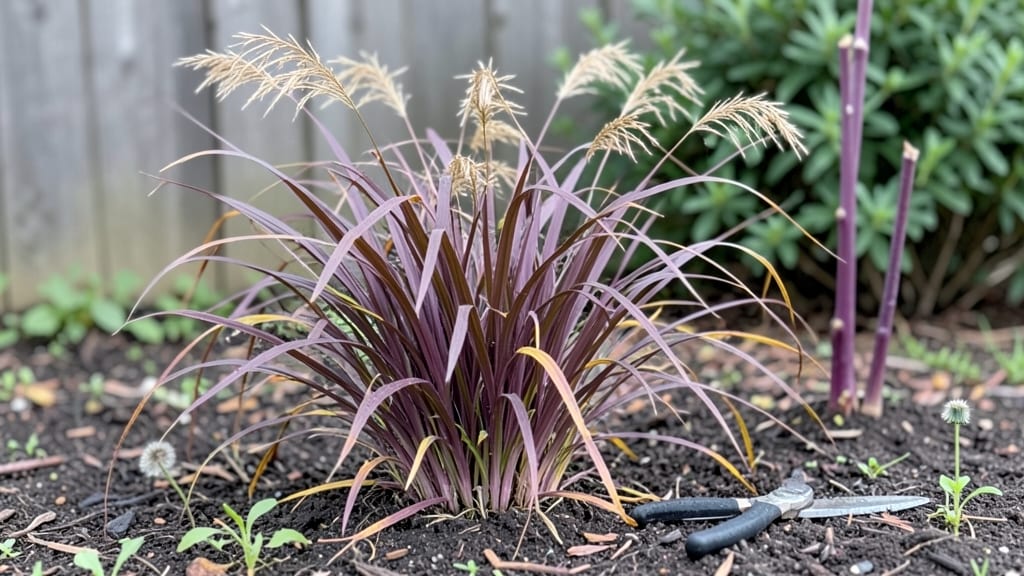
Trimming purple fountain grass transforms it from a wild tangle into a showstopping centerpiece. ✨ I’ve learned the hard way that cutting at the wrong time or too aggressively turns those cascading plumes into a sad, leggy mess—but master this, and you’ll get that perfectly rounded fountain shape that makes neighbors stop and stare.
The key is timing: late winter or early spring, just as new growth begins. Grab a pair of sharp bypass pruners (dull blades tear the grass) and cut back one-third of the plant to the base, focusing on the oldest stems first.
This encourages fresh, bushy growth while keeping the plant’s natural shape. Avoid trimming in fall—you’ll cut into the plant’s energy stores just when it needs them most.
What you’ll end up with is a denser, fuller plant that blooms better and stays compact all season. The purple plumes will cascade beautifully without flopping, and you’ll skip the annual panic of "why did I cut it wrong again?"
The secret? Always cut just above a node—that little bump where leaves grow—and never shave it down to bare stems.
Works for containers, borders, or mass plantings—just adjust the height based on your space. Once you’ve done it right once, you’ll never go back to the "I’ll just hack it" approach again. Ready to make yours the envy of the neighborhood?
📚 In This Guide
- What you need
- Instructions
- Tips and common mistakes
- Wrapping up and next steps
What you need
- ● Pruning shears or hedge clippers: Sharp, bypass-style shears (for clean cuts) or heavy-duty hedge clippers (for thicker clumps). Size: 6–8" blades for precision.
- ● Hand pruners: For trimming smaller stems or stubborn growth. Look for ergonomic grips to reduce hand fatigue.
- ● Garden gloves: Heavy-duty, cut-resistant (e.g., leather or synthetic blend) to protect hands from sharp blades and thorns.
- ○ Loppers (optional but helpful): For larger clumps or if your grass has thick, woody stems. Size: 20–24" with a ratcheting mechanism for ease.
- ● Pruning saw (for stubborn stems): A curved-tooth saw designed for live plants (avoid rust—stainless steel is best).
- ● Garden kneeler/pad: To protect your knees and keep you comfortable during the job.
- ● Water spray bottle or hose: To mist foliage before trimming (reduces dust and helps you see cuts clearly).
- ● Disinfectant (70% isopropyl alcohol or bleach solution): Clean tools between cuts to prevent disease spread.
- ● Choose the right time: Trim after new growth appears in early spring or late summer (avoid winter—grass is dormant and vulnerable).
- ● Check the weather: Pick a calm, dry day (humidity can cause fungal issues).
- ● Clear the area: Remove debris, toys, or obstacles within a 3-foot radius of your grass clump.
- ● Assess the plant: Look for dead or diseased stems—remove these first before shaping.
- ● Extension pole pruners: For tall clumps (if your grass exceeds 3 feet).
- ● Garden twine or plant ties: To temporarily secure stems if you’re doing a gradual trim over weeks.
- ● Mulch or compost: To refresh the soil after trimming (purple fountain grass loves well-draining, slightly acidic soil).
- ● Safety goggles: If your grass is particularly dusty or you’re trimming near your face.
Step-by-Step instructions for trimming purple fountain grass
Here's how I keep this ornamental grass looking full and vibrant all season long.
✂️ Step 1: Time Your First Cut for Late Spring
Wait until late spring after the grass has finished its initial flush of growth—you'll see new shoots emerging from the base. This is the only time I cut back the entire plant. If you trim too early, you risk removing last year's growth that might still be providing some winter protection.
Use clean, sharp pruners or a hedge trimmer—dull blades tear stems and leave ragged cuts that invite disease. I like to work on a dry morning when the grass is upright, making it easier to see where I'm cutting. Never trim when the grass is wet, as this can spread fungal spores.
✂️ Step 2: Cut Back One-Third of the Plant at a Time
Divide the grass into four equal sections and trim one section at a time. This prevents shock to the plant and gives you better control over the final shape. I aim to cut back to about half the plant's height—this encourages bushier growth from the base rather than leggy stems.
Watch for the natural growth lines where the older stems meet the new growth. Cut just above these nodes (the little bumps where leaves attach) to stimulate new shoots. If you cut too low, you'll remove the growing points and slow down regrowth. For a 4-foot-tall plant, I typically trim back to 2 feet for that full, fountain-like appearance.
✂️ Step 3: Shape the Plant for Fullness
After the initial trim, step back and assess the shape. Purple fountain grass naturally grows in a rounded, cascading form, so I avoid cutting straight lines. Instead, I follow the plant's natural curves, trimming outward slightly to create that signature fountain shape.
Use your fingers to guide the trimmer—this helps you feel the plant's structure and avoid over-trimming. For a bushier look, leave the center slightly taller than the edges. This creates depth and prevents the grass from looking flat or sparse. If you notice any dead or brown stems, trim those away completely to keep the plant healthy.
🌿 Step 4: Maintain Through the Growing Season
Once the initial trim is done, you only need to lightly tidy up the plant throughout the summer. I do this by removing any straggly stems or overly long blades that spoil the shape. Use your hands to gently pull out any dead growth at the base—this keeps the plant looking fresh without harsh cuts.
In early fall, I give the grass one last light trim to clean up any seed heads or overly long blades. This prepares it for winter and keeps the garden looking neat. Avoid cutting back to bare stems—leave at least 6-8 inches of growth to protect the crown through colder months.
⏰ Step 5: Prepare for Winter Dormancy
When the first frost hits, stop all trimming. The grass will naturally turn brown and go dormant. In late winter or early spring, just before new growth appears, I do a final cleanup trim to remove any dead growth. This is the only other time I touch the grass besides the late spring trim.
Here's the thing—purple fountain grass is low-maintenance once established. The key is that one late spring trim that sets the plant up for the whole season. If you skip it, you'll end up with a leggy, sparse plant by summer. But once you get the rhythm, it becomes second nature.
Tips & tricks for perfect purple fountain grass trimming
These precision-focused tips will help you transform your purple fountain grass from leggy to lush with minimal effort.
Timing is Everything: The late spring timing in Step 1 can't be overstated—this is when the plant has finished its initial growth flush and is ready to burst with new energy. I've learned the hard way that cutting too early removes last year's growth that might still be providing winter protection. Look for those fresh new shoots emerging at the base as your cue. If you're in doubt, wait a few more days rather than risking damage.
The Sectional Approach: Dividing the plant into four equal sections in Step 2 prevents shock and gives you better control. I recommend marking the sections with small flags or even just mental notes before you begin. This method also lets you adjust each section individually—if one side looks fuller, you can trim it back slightly more. The goal is to cut back to about half the plant's height, so for a 4-foot plant, aim for 2 feet of remaining growth. This encourages bushier regrowth rather than leggy stems.
Shape with Purpose: When shaping in Step 3, resist the urge to cut straight lines. Purple fountain grass naturally grows in rounded, cascading forms, so follow its natural curves. Here's a pro tip: leave the center slightly taller than the edges—this creates that signature fountain shape and adds depth. Use your fingers to guide your trimmer; you'll feel the plant's structure better and avoid over-trimming. If you notice any dead or brown stems, remove them completely to keep the plant healthy and encourage new growth.
Seasonal Maintenance: Throughout the growing season, focus on light maintenance rather than heavy trimming. In Step 4, remove only straggly stems or overly long blades that disrupt the shape. The early fall trim is your last chance to tidy up before winter—just clean up seed heads and long blades, leaving at least 6-8 inches of growth to protect the crown. This minimal approach keeps your grass looking vibrant with minimal effort.
Pro Tips for Trim Purple Fountain Grass
- These precision-focused tips will help you transform your purple fountain grass from leggy to lush with minimal effort.
- Timing is Everything: The late spring timing in Step 1 can't be overstated—this is when the plant has finished its initial growth flush and is ready to burst with new energy.
- The Sectional Approach: Dividing the plant into four equal sections in Step 2 prevents shock and gives you better control.
Frequently asked questions
Got questions about keeping your Pennisetum setaceum (purple fountain grass) looking its best? Here are answers to the most common ones—so you can trim with confidence!
When is the best time to trim purple fountain grass?
Trim your purple fountain grass in early spring (just as new growth starts) and again in late summer or early fall to shape it for winter. Avoid cutting back in fall if you want to protect the plant from harsh winter winds—leave some foliage until spring.
How much should I cut back purple fountain grass?
For a neat, bushy look, trim back 1/3 to 1/2 of the plant’s height in spring. In late summer, you can cut it back even shorter (down to 6–12 inches) to encourage fresh growth before winter. Never cut into old, woody stems—focus on the fluffy, new growth at the base.
What if I cut too much—will my purple fountain grass die?
Don’t panic! While over-trimming can stress the plant, purple fountain grass is hardy and resilient. If you accidentally cut too much, just leave it be for a season—it’ll bounce back with new growth. For severe over-trimming, water deeply and fertilize lightly in spring to help recovery.
Can I trim purple fountain grass in winter?
It’s not recommended to trim in winter unless the grass is completely dead or damaged. The old foliage provides insulation and protection from cold snaps. If you must clean up, wait until late winter or early spring when new growth signals it’s safe.
What if my purple fountain grass isn’t growing back after trimming?
If your grass stops growing or looks sparse, check these fixes:
- Light: Ensure it gets full sun (6+ hours/day)—shady spots slow growth.
- Water: Keep soil consistently moist but not soggy (drought stress stunts regrowth).
- Soil: Amend with compost or slow-release fertilizer in spring if growth is weak.
- Pests/Disease: Inspect for grubs, fungal spots, or brown patches—treat with neem oil or fungicide if needed.
Pro Tip:
For extra bushiness, pinch back the tips of new growth in spring to encourage branching. And always use sharp, clean shears to avoid tearing the blades—this keeps your grass healthy and vibrant!
Wrapping up and next steps
Trimming your purple fountain grass doesn’t have to be intimidating—with the right tools, timing, and technique, you’ll encourage lush, compact growth and keep it looking stunning all season. Remember to trim in stages, use sharp shears, and never cut more than one-third of the plant at once.
Your efforts will reward you with vibrant foliage and a well-manicured landscape that turns heads! 🌿✨
Ready to level up your gardening game? Try experimenting with different heights or even shaping your grass for a unique look—just take it slow and enjoy the process! 🌟