
Lawn
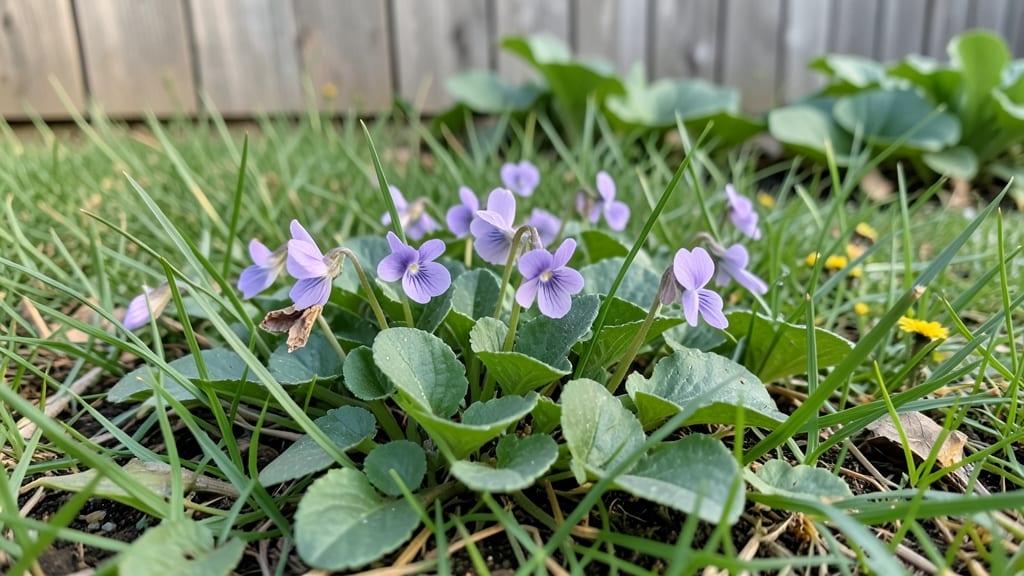
Tiny purple wildflowers in grass aren't just pretty—they're the secret weapon for turning dull lawns into buzzing pollinator hotspots. 🌿 I remember the first time I scattered wildflower seeds into my overgrown yard: within weeks, bees and butterflies made it their favorite spot.
These little bloomers thrive where mowed grass struggles, requiring almost no effort once established.
The magic happens when you mix them with native grasses like fescue or bluegrass—they fill in gaps while keeping the look neat. Plant in late summer or early fall for the best root establishment, and you’ll see color by next spring.
They handle foot traffic surprisingly well, making them perfect for kids’ play areas or shady corners where lawns give up.
By mid-summer, your yard will burst with purple hues that hum with activity—bees, butterflies, and even hummingbirds will visit daily. The flowers self-seed year after year, so the pollinator party never ends. Even my black thumb can’t kill these, and they outperform any store-bought lawn alternative.
Works in sun or partial shade, whether you’re replacing a tired lawn or adding pockets of color to existing grass. The key is patience—first-year blooms are modest, but the payoff in biodiversity is worth it. Let’s make your yard a haven, not just a green carpet.
Why it happens
Those enchanting tiny purple blooms popping up in your grass aren’t just a lucky accident—they’re the result of a perfect storm of ecological conditions. Understanding why they appear (and thrive!) can help you nurture them—or even encourage more. Here’s the science behind their magical persistence:
🌱 Seasonal Dormancy Breaks
Many tiny purple wildflowers, like Phacelia or Trifolium species, are perennials or annuals with delayed germination. Their seeds lie dormant in the soil for months or even years, waiting for the right cues to sprout:
- Temperature shifts: Cool spring or fall temperatures trigger seed germination, while summer heat keeps them dormant. This explains why they often bloom in early spring or late summer.
- Moisture fluctuations: A period of dryness followed by rain (like winter or early spring) signals seeds to break dormancy. Think of it as nature’s way of timing blooms for optimal pollinator activity.
- Light exposure: Some seeds need sunlight to germinate, which is why they often appear in thin grass or disturbed soil. Mowing too short can actually help them by exposing seeds to light.
Pro tip: If you want more wildflowers, try scarifying your lawn (lightly raking or aerating) in early spring to expose buried seeds to sunlight and moisture. 🌡️
🐝 Pollinator Magnet Ecology
These wildflowers aren’t just pretty—they’re strategic survivors that rely on pollinators for reproduction. Their tiny purple hues and nectar-rich blooms make them irresistible to bees, butterflies, and even hummingbirds. Here’s why they thrive in pollinator-heavy zones:
- Niche adaptation: Many species, like Lobelia or Viola, evolve to bloom when fewer cultivated flowers are available (e.g., early spring or late fall). This reduces competition for pollinators.
- Self-sustaining cycles: Once established, their seeds spread via wind, animals, or even mowing equipment. A single plant can produce thousands of seeds, ensuring new blooms year after year.
- Grassland resilience: Unlike delicate garden flowers, these wildflowers tolerate light foot traffic and occasional mowing because they grow close to the ground and regenerate quickly.
Did you know? Some wildflowers, like Clover, even fix nitrogen in the soil, improving grass health while providing food for pollinators. It’s a win-win! 🐝✨
🌿 Lawn Care Side Effects
Believe it or not, your lawn maintenance habits might be accidentally inviting these wildflowers. Here’s how:
| Lawn Practice | How It Helps Wildflowers |
|---|---|
| Overseeding | Gaps in grass from overseeding let wildflower seeds take root. They often outcompete weak grass patches. |
| Reduced Fertilizer | Wildflowers thrive in low-nutrient soil. Cutting back on synthetic fertilizers gives them an edge. |
| Late-Spring Mowing | Waiting until after blooms set seed (late May/June) lets wildflowers complete their life cycle before mowing. |
| Water Restrictions | Drought-tolerant species like Blue-eyed Grass germinate when grass struggles, filling in bare spots. |
Actionable tip: If you want to reduce wildflowers, mow high and frequent (3–4 inches) in early spring to shade out seeds before they sprout. But if you love them, embrace the chaos—they’re nature’s free pollinator buffet! 🎯
🌍 Climate and Soil Secrets
Your local climate and soil type play a huge role in which wildflowers appear—and when. Here’s the breakdown:
- Cool climates: Species like Violet (Viola) or Chickweed bloom in early spring when soil temps are 40–50°F. They vanish by summer but return with fall rains.
- Warm climates: Flowers like Fiddleneck or Lupine thrive in late winter/early spring, taking advantage of mild winters and early rains.
- Soil pH: Most tiny purple wildflowers prefer slightly acidic to neutral soil (pH 6.0–7.0). If your lawn is alkaline (common in drought-prone areas), they may struggle unless they’re adapted species like Clover.
- Drainage: Poorly drained areas can create microhabitats for moisture-loving species like Creeping Charlie (a purple-flowered ground cover), while well-drained spots favor drought-resistant types.
Soil test hack: Grab a DIY soil test kit ($10–$20) to check pH. Amending with compost can help wildflowers (and your grass) thrive together! 💡
How to solve it
Those tiny purple wildflowers popping up in your grass might seem like an unexpected surprise—but they’re actually a blessing in disguise! Whether you’re dealing with overgrowth, unwanted spread, or simply want to encourage (or control) their presence, these practical solutions will help you manage them with ease.
Below, we’ve mapped common causes to simple fixes, plus prevention tips to keep your lawn looking lush and welcoming for pollinators.
###
🌱 Cause: Unwanted Spread in Lawn
If your grass is turning into a wildflower meadow faster than you’d like, the issue is likely seed dispersal or thin turf. Wildflowers thrive in gaps, and once established, they self-seed aggressively. Here’s how to reclaim control without harming these pollinator heroes:
- 🔥 Mow Higher: Raise your mower blade to 3–4 inches to shade out wildflower seedlings before they take root. Tall grass also discourages them from spreading.
- 👨🍳 Hand-Pull Strategically: Focus on pulling young plants (before they flower) or those in high-traffic areas. Use a weeding tool or your hands for a gentle touch—avoid herbicides to protect bees!
- 🌱 Overseed Bare Spots: Fill thin patches with native grass seed or a wildflower-grass mix (like clover) to crowd out unwanted blooms naturally.
💡 Pro Tip: If you love the wildflowers but want to limit their spread, try mulching mowing—leaving grass clippings on the lawn suppresses weeds while fertilizing the soil.
###
🐝 Cause: Too Many Blooms Choking Grass
When wildflowers dominate, they can outcompete your grass for nutrients and water. The solution? Balance—not eradication. These steps will help you preserve the pollinators while keeping your lawn healthy:
- 🍳 Spot-Treat with Corn Gluten: Apply corn gluten meal (a natural pre-emergent) in early spring to prevent wildflower seeds from germinating. It’s bee-safe once established.
- 🔪 Divide and Conquer: Use a string trimmer or edging tool to create a 1–2 inch border between wildflower patches and grass. This slows their creep.
- ⏰ Time Your Mowing: Mow wildflower areas after they’ve seeded (late summer/fall) to reduce next year’s blooms. Leave some flowers for bees, but trim back aggressive patches.
🎯 Prevention Tip: Plant a pollinator-friendly border (like alyssum or bachelor’s buttons) along walkways or garden edges to contain wildflowers where you want them.
###
🌡️ Cause: Soil or Water Issues
Wildflowers often thrive where grass struggles—dry, compacted, or nutrient-poor soil. Instead of fighting them, improve the conditions for your lawn to outcompete them naturally:
- 💦 Water Deeply but Infrequently: Wildflowers love drought conditions. Train your grass to be drought-tolerant by watering deeply 1–2 times per week (early morning) to encourage deep roots.
- 🌱 Aerate and Top-Dress: Compacted soil? Aerate in fall, then top-dress with compost or sand to improve drainage and grass growth.
- 📊 Test Your Soil: If your lawn is nutrient-deficient, apply a slow-release fertilizer (like milorganite) in early spring to strengthen grass.
✨ Bonus: If your soil is too sandy or clay-heavy, mix in organic matter (like leaf mold) to create a balance that supports both grass and wildflowers in designated areas.
Remember: These tiny purple wildflowers are ecological superheroes—they feed bees, support biodiversity, and add beauty to your space. The goal isn’t to eliminate them but to harmonize their growth with your lawn’s health. With these fixes, you’ll have a pollinator paradise that’s also low-maintenance and lush!
Frequently asked questions
Are tiny purple wildflowers safe for pets and children?
Most common varieties like clover or violets are non-toxic, but always verify specific species. Avoid Larkspur or Monkshood—they can be harmful if ingested. Stick to native wildflowers labeled "pet-safe" for peace of mind in play areas.
How can I create a wildflower meadow with these blooms?
Start by mowing a section of grass to 2 inches in late summer, then scatter native wildflower seeds (like Phacelia or Lobelia) with a broadcast spreader. Lightly rake soil and keep moist until germination (2–4 weeks). Avoid fertilizers—they’ll choke out delicate wildflowers!
Why do they appear in patches instead of spreading evenly?
Wildflowers follow natural seed dispersal patterns—birds, wind, and animals carry seeds to specific spots. Thin grass or disturbed soil (like footprints) creates ideal germination zones. For even coverage, overseed with a wildflower-grass mix in early fall.
Can I grow these wildflowers in containers or small spaces?
Use shallow containers with drainage holes and a well-draining soil mix. Dwarf varieties like Creeping Phlox or Miniature Coreopsis thrive in pots. Place near windows or patios to attract pollinators to your balcony or courtyard.
What’s the best time to mow around wildflowers?
Wait until after blooming (late summer) to mow wildflower patches. This lets seeds mature for next year’s growth. For lawn areas, mow at 3–4 inches to shade out seedlings without harming established plants. Never mow when flowers are in full bloom!