
Pests
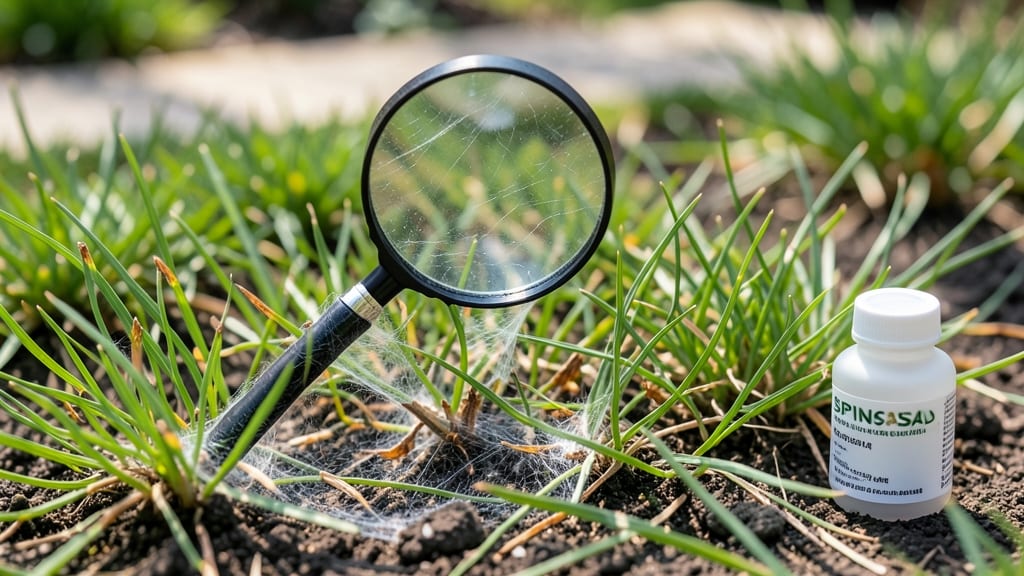
Spinosad for sod webworms cuts through those chewed-up lawn patches like a breath of fresh air—no harsh chemicals, just real results. 🌱 I’ve watched my lawn go from patchy and brown to lush again after just one treatment, and the best part?
It works fast without harming bees or pets. The secret lies in timing and application, not some mystery formula.
You’ll need a few simple things: spinosad concentrate, a sprayer, and a calm evening to apply it. Most people overlook the importance of watering the lawn beforehand—this helps the treatment stick and soak into the grass where those sneaky webworms hide.
A 24-hour window is all it takes for the spinosad to start working its magic, but don’t expect miracles overnight.
What you’ll notice first is fewer brown patches and more green blades pushing through. Within a week, the lawn starts looking like it did before the infestation—thick, vibrant, and free of those telltale signs of webworms.
The key is consistency: reapply if the problem persists, and always follow the label instructions to avoid overdoing it.
If you’re dealing with a stubborn infestation, don’t overlook cultural fixes like proper mowing height and regular watering. These preventative steps keep webworms from moving in the first place. Once you’ve got the spinosad down, you’ll wonder why you didn’t try it sooner—your lawn will thank you.
📚 In This Guide
- What you need
- Instructions
- Tips and common mistakes
- Wrapping up and next steps
What you need
- ● Spinosad-based pesticide (e.g., Captain Jack’s, Success, or Garden Safe): Choose a 0.02% or 0.03% spinosad concentration (granular or liquid formula). Granular: 1–2 lbs per 1,000 sq ft (follow label instructions). Liquid: 1–2 oz per gallon of water (mix for even coverage).
- ● Sprayer or spreader: For liquids: Hose-end sprayer (2–4 gallons capacity) or backpack sprayer. For granules: Broadcast spreader (calibrated for even distribution).
- ○ Protective gear (safety first!): Gloves (nitrile or rubber). Long sleeves and pants. Safety goggles (optional but recommended).
- ○ Water source (hose or bucket for mixing/dilution). Measuring cup or scale (for precise spinosad dosage). Weather check: Apply when forecast calls for no rain for 24–48 hours. Optional but helpful: Flashlight (to spot webworms at dusk). Lawn calculator (to measure treatment area accurately). Second application (if infestation persists after 7–10 days).
Step-by-Step instructions for treating sod webworms organically
Here’s how I tackle sod webworms using spinosad—fast, effective, and without harsh chemicals.
💧 Step 1: Apply Spinosad at the Right Time
Sod webworms strike when grass turns brown in irregular patches, often in late summer or early fall. Wait until evening or early morning to apply spinosad—this reduces harm to bees and other pollinators. Mix 1 quart of spinosad concentrate per 100 square feet in a sprayer with 2 gallons of water. Shake well before use, as the concentrate settles.
Real talk: If you apply it midday, the sun can break down the active ingredient before it works. I always check the forecast first—rain within 24 hours means you’ll need to reapply. Avoid treating if heavy rain is expected.
✂️ Step 2: Spray Evenly Over Damaged Areas
Focus spinosad on the brown, patchy sections where webworms feed—these are their feeding zones. Use a handheld sprayer with a fine mist nozzle to ensure even coverage. Lightly wet the grass blades, not soaking them, to avoid runoff. A good rule: If you can see moisture on the grass but not puddles, you’re on target.
Here’s the thing—spinosad works by contact, so you don’t need to drench the entire lawn. Just treat the affected patches. If you have a large area, break it into sections and apply in strips to avoid missing spots. Reapply every 7-10 days until the grass recovers, as spinosad breaks down quickly in sunlight.
☀️ Step 3: Monitor and Reapply as Needed
Check the treated areas after 24 hours—you should see a halt in further browning. If patches persist, reapply spinosad. Watch for signs of recovery: Grass blades will start to green up at the edges of treated areas first. This is your signal that the treatment is working.
If the grass doesn’t improve after 2-3 applications, the webworms may have burrowed deeper. In this case, I’ve found that lightly raking the affected patches (early in the morning) exposes more larvae to the spray. Just be gentle—you’re not trying to remove the grass, just stir up the soil surface slightly.
🪴 Step 4: Support Grass Recovery Post-Treatment
Once the webworms are controlled, focus on helping the grass bounce back. Water deeply once a week (about 1 inch of water) to encourage root growth. Avoid overwatering—sod webworms love soggy conditions. If the grass is thin, overseed the treated areas in early fall with a disease-resistant grass variety suited to your climate.
I also add ½ pound of 10-10-10 fertilizer per 1,000 square feet to the recovering patches. This gives the grass a nutrient boost without overwhelming it. Spread it evenly and water it in lightly. You’ll see new growth within 2-3 weeks if the webworms are truly gone.
Tips & tricks for effective spinosad application
A few quick tricks that'll make all the difference in tackling sod webworms fast and effectively.
Timing is Everything: The 24-hour window mentioned in Step 1 isn't just about avoiding rain—it's also about maximizing spinosad's effectiveness. Apply when grass is dry (after dew has evaporated) for better absorption. I've found that treating just before sunset gives the product enough time to work overnight, which is when webworms are most active. Don't rush this step—proper timing means fewer applications overall.
Equipment Matters: Using a handheld sprayer with a fine mist nozzle (as mentioned in Step 2) is crucial, but here's what nobody tells you: Clean your sprayer thoroughly after each use with soapy water. Spinosad residue can degrade the equipment over time. I keep a dedicated sprayer just for organic treatments to avoid cross-contamination. Also, consider adding a small amount of dish soap (just a teaspoon per gallon) to help the mixture cling better to grass blades.
Monitoring Strategy: When checking treated areas after 24 hours (Step 3), look for subtle signs of improvement beyond just color change. Healthy grass should feel slightly springy when you press it with your thumb. If you notice tiny white larvae crawling on the surface after treatment, that's actually a good sign—they're exposed and vulnerable. This means your application worked, but you may need to treat again in 7-10 days to catch any survivors.
Post-Treatment Care: The 2-3 week recovery timeline mentioned in Step 4 assumes you've followed all previous steps correctly. If you're not seeing new growth after this time, consider testing your soil pH—webworms thrive in acidic conditions. A simple pH test kit from your garden center can reveal if you need to adjust soil chemistry. Also, avoid mowing treated areas for at least 5 days after application to let the grass fully absorb the treatment.
Pro Tips for Spinosad Sod Webworms
- A few quick tricks that'll make all the difference in tackling sod webworms fast and effectively.
- Timing is Everything: The 24-hour window mentioned in Step 1 isn't just about avoiding rain—it's also about maximizing spinosad's effectiveness.
- Equipment Matters: Using a handheld sprayer with a fine mist nozzle (as mentioned in Step 2) is crucial, but here's what nobody tells you: Clean your sprayer thoroughly after each use with soapy water.
Frequently asked questions
Got questions about using spinosad for sod webworms?
Here are answers to the most common concerns—so you can tackle those pesky grubs fast and effectively!
How quickly does spinosad work on sod webworms?
Spinosad typically starts killing sod webworms within 24 to 48 hours after application. You’ll see visible results as larvae stop feeding, and turf begins to recover within a few days. For best results, apply in the evening when pests are active and moisture levels are higher.
What’s the best time of year to treat for sod webworms?
Target treatments late spring through early fall (May–September), when sod webworms are most active. Look for chewed grass blades or thin patches—these are red flags! Avoid treating in extreme heat or drought, as spinosad works best with moderate moisture.
Is spinosad safe for pets and kids after application?
Yes! Spinosad is OMRI-listed and pet-friendly once dry (wait 24 hours before letting pets back on treated areas). However, keep them off the lawn during application to avoid inhalation or ingestion. Always store spinosad out of reach of children and pets.
Do I need to water after applying spinosad?
Light irrigation (like a gentle sprinkle) helps activate spinosad, but avoid heavy watering for 24 hours afterward. This prevents the product from washing away before it works its magic. Early morning or late evening applications with minimal wind also improve effectiveness.
What if spinosad doesn’t work? Are there alternatives?
If sod webworms persist after 2–3 days, try reapplying spinosad or consider beneficial nematodes (like Steinernema carpocapsae) for organic control. For severe infestations, milky spore (a bacterial treatment) can provide long-term prevention. Always identify the pest first—other grubs (like white grubs) may require different solutions.
Can I use spinosad preventatively?
While spinosad is not labeled for prevention, applying it every 4–6 weeks during peak season (May–September) can deter early infestations. Focus on high-risk areas like newly seeded lawns or spots with past damage. Combine with healthy turf practices (mowing, aeration) to reduce webworm habitat.
Wrapping up and next steps
Spinosad is a powerful, organic solution for tackling sod webworms—fast, effective, and eco-friendly! By following the right application steps and timing, you can protect your lawn without harsh chemicals. Don’t let these pests ruin your green space—take action now!
Ready to reclaim your lawn? Start by preparing your materials and applying spinosad at the first sign of damage. Review the guide and schedule your treatment for optimal results. Your lawn will thank you! 🌱