
Pests
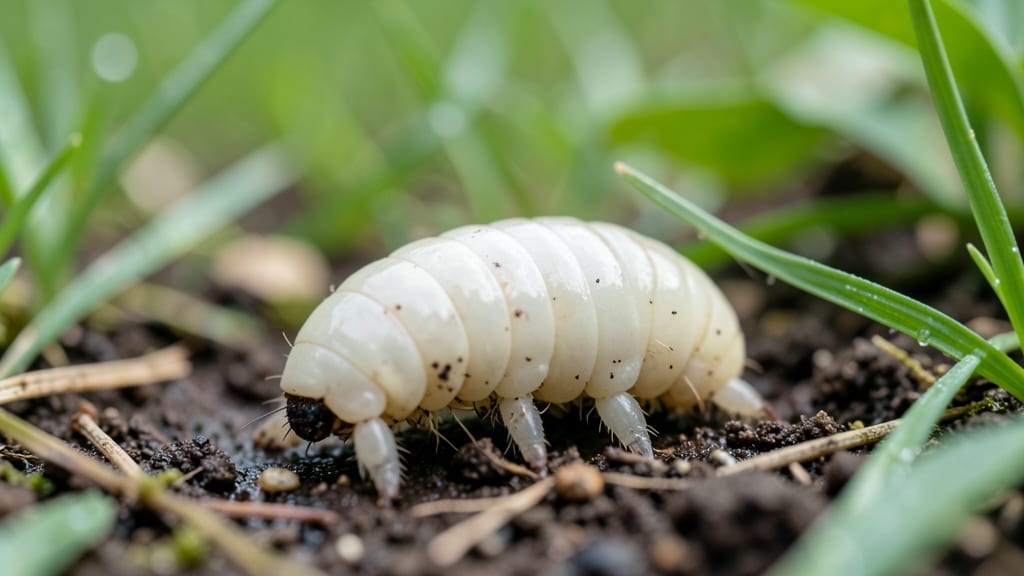
Your lawn’s brown patches aren’t just drought—they’re grub worms feasting on roots. 🌱 I’ve seen these pests turn lush grass into a patchwork nightmare, but milky spore is the secret weapon that actually works long-term. It’s not instant, but once established, it creates a natural defense that lasts years.
The key is timing—apply milky spore in early summer when grubs are small and vulnerable. You’ll need a dry spell after application to help the spores spread, and it takes about 2-3 years to fully establish. But once it’s active, it multiplies naturally, reducing grub populations by up to 90%.
What you’ll end up with is grass that stays green through summer heat, fewer moles digging up your yard, and a lawn that doesn’t need repeated chemical treatments. The milky spore bacteria lives in the soil, creating a biological barrier that grubs can’t survive.
This works best in warm climates but still helps in cooler regions if applied correctly. The upfront effort pays off with fewer brown patches and healthier grass year after year. Let’s get your lawn back to its best!
Hidden Culprits Behind Lawn Damage
Grubs—those tiny, C-shaped larvae of beetles—are the sneaky architects behind some of the most frustrating lawn problems. But why do they suddenly turn your lush green grass into a patchy, brown mess?
The answer lies in a mix of environmental triggers, turf health, and their own relentless lifecycle. Let’s break down the key reasons these pests invade your lawn and thrive.
Grubs love a soft, moist environment—almost like a five-star hotel for larvae. When your lawn gets too much water or excessive nitrogen-rich fertilizer, the grass grows rapidly but becomes weak and spongy.
This creates the perfect breeding ground for grubs, which burrow just below the surface to feast on roots.
Why it happens:
- Excess moisture keeps the soil soft, making it easier for grubs to tunnel and lay eggs.
- Over-fertilization encourages thick, tender grass that grubs find irresistible.
- Poor drainage in clay-heavy soils traps moisture, signaling grubs that your lawn is a prime real estate.
Actionable fix: Adjust your watering schedule to deep but infrequent sessions (1-1.5 inches per week) and use a slow-release, balanced fertilizer to avoid nitrogen spikes.
Grubs don’t just appear—they hatch from eggs laid by adult beetles. If your area has seen an influx of Japanese beetles, June bugs, or European chafer beetles, their eggs (laid in late spring/early summer) will soon become grubs by mid-to-late summer.
Why it happens:
- Warm nights + cool days trigger beetle mating and egg-laying.
- Lush, young grass attracts adult beetles to feed, then lay eggs near the roots.
- Urban sprawl increases beetle habitats, leading to higher grub populations in suburbs.
Actionable fix: Monitor adult beetle activity in June/July. Use row covers or traps (placed away from your lawn!) to reduce egg-laying opportunities.
A thick layer of thatch (dead grass, roots, and organic matter) acts like a grub incubator. It insulates the soil, keeping it warm and moist—ideal for egg survival and larval growth. Even mulch or leaf litter can contribute to the problem.
Why it happens:
- Poor mowing habits (cutting grass too short) leave clippings to decompose into thatch.
- Lack of aeration prevents thatch breakdown, creating a cozy hideout for grubs.
- Compacted soil restricts water drainage, worsening the issue.
Actionable fix: Dethatch your lawn in early spring or fall, and aerate annually to improve soil health and reduce grub-friendly conditions.
Grubs are highly sensitive to temperature. Hot, humid summers followed by mild falls create the perfect storm for their lifecycle. Eggs hatch when soil temps hit 60–70°F, and larvae thrive until frost kills them—or they pupate into beetles.
Why it happens:
- Unpredictable weather (e.g., early warm spells) can jumpstart egg hatching.
- Mild winters allow more grubs to survive into the next season.
- Drought stress weakens grass, making it easier for grubs to devour roots.
Actionable fix: Stay vigilant in June–August (peak grub activity). If your area has had a wet spring, test for grubs early!
Pro Tip: 💡 Grubs target stressed grass first. If your lawn is already struggling from drought, disease, or poor soil, it’s even more vulnerable. A soil test can reveal pH and nutrient imbalances that indirectly invite grubs.
How to Fix Lawn Grub Damage
Grub worms may seem like a stubborn lawn menace, but with the right approach, you can reclaim your grass—without resorting to harsh chemicals. The key is targeting the root cause (literally) while reinforcing long-term prevention.
Below, we break down practical solutions tailored to the most common grub worm scenarios, from quick fixes to sustainable defense strategies.
Milky spore (Bacillus popilliae) is a biological control that turns your lawn into a grub’s worst nightmare. Here’s how to use it effectively:
- 🍳 Apply at the Right Time Spread milky spore granules early spring or late summer when grubs are young and vulnerable. Avoid applying during drought or extreme heat—it needs moisture to activate.
- Pro Tip: 💡 Water the lawn lightly after application to help spores settle into the soil.
- 👨🍳 Reapply for Maximum Impact First-time users may need 2–3 years of annual applications to establish a strong spore population. Once established, milky spore can persist for decades, offering long-term protection.
- 🌡️ Monitor and Adjust If grubs return, reapply milky spore or combine it with beneficial nematodes (microscopic worms that hunt grubs). Test soil moisture regularly—dry conditions slow spore activity.
If milky spore isn’t an option (or you need faster results), try these low-toxicity methods:
| Method | How to Do It | Best For |
|---|---|---|
| 🥘 Beneficial Nematodes | Apply Heterorhabditis bacteriophora nematodes in early evening (they need darkness). Water lightly before/after. | Active grub outbreaks (works in 48 hours). |
| 🌱 Overseeding & Aeration | Rake out dead patches, aerate soil, and reseed with grub-resistant grass (e.g., tall fescue). | Repairing damaged lawns long-term. |
| 🐛 Encourage Natural Predators | Attract birds (like robins), toads, and ground beetles by keeping a diverse lawn ecosystem (avoid over-fertilizing). | Prevention-focused approach. |
If your lawn is already suffering (brown patches, easy-to-pull grass), act fast:
- 🔥 Test for Grubs Dig a small section of lawn—if you find 5+ grubs per square foot, treatment is critical. Use a soil probe or trowel for accuracy.
- 🍳 Apply Fast-Acting Solutions
- Neem Oil Spray: Disrupts grub feeding (best for mild infestations).
- Beauveria Bassiana (Grub Killer Fungus): Organic fungus that infects grubs within days.
- 🚫 Avoid Chlorpyrifos (chemical insecticides): Harmful to pets, kids, and beneficial insects.
- 🌱 Revive the Lawn After grubs are gone, overseed bare spots and fertilize lightly to encourage recovery. Use a slow-release, organic fertilizer to avoid feeding new grubs.
An ounce of prevention beats a pound of cure—especially with grubs!
- 💡 Mow High & Leave Clippings Taller grass (3–4 inches) shades soil, making it less appealing for Japanese beetles (grub parents). Leave clippings to return nutrients to the soil.
- 🌡️ Adjust Watering Habits Grubs thrive in overwatered lawns. Water deeply 2–3 times per week (early morning) instead of daily shallow sessions.
- 🥗 Avoid Excess Nitrogen Too much fertilizer (especially quick-release types) attracts Japanese beetles. Opt for balanced, slow-release fertilizers in early spring.
- 🔥 Rotate Treatments Combine milky spore with nematodes every 2–3 years to maintain defense. Rotate organic methods to prevent resistance.
- 🌱 Plant Grub-Resistant Grasses Grasses like tall fescue, Kentucky bluegrass, and perennial ryegrass are less attractive to grubs than St. Augustine or Bermuda.
Final Note: Grub worms are a manageable problem—especially when you combine milky spore for long-term defense with quick fixes for active infestations. Start with prevention, then strike back with targeted, eco-friendly solutions. Your lawn (and your sanity) will thank you!
Frequently asked questions
How do I know if my brown patches are from grubs?
Look for grass that pulls up easily with a thin layer of soil still attached—this is a classic grub sign. Dig a small section (about 6 inches) and check for white, C-shaped larvae about 1/2-inch long. If you find 5+ grubs per square foot, you’ve got an infestation.
When is the best time to apply milky spore?
Apply milky spore in early spring (March-April) or late summer (August-September) when grubs are small and vulnerable. Avoid extreme heat or drought—spores need moisture to activate. Water lightly after application to help spores settle.
Will milky spore work in my climate?
Milky spore thrives in warm, humid climates but can still help in cooler regions if applied correctly. In northern areas, use it in late summer when soil temps stay above 60°F. It may take 2-3 years to fully establish, so patience is key!
Are there any natural predators that help control grubs?
Birds like robins and skunks, toads, and ground beetles love eating grubs. Create a predator-friendly lawn by avoiding pesticides, leaving leaf litter in garden beds, and planting diverse ground covers. Even moles (though annoying) help by eating grubs!
How long does it take to see results from milky spore?
First-year results are usually moderate (30-50% reduction), but full effectiveness takes 2-3 years as spores multiply. Once established, milky spore can protect your lawn for decades with minimal reapplication. Think of it as a long-term investment in lawn health!