
Lawn
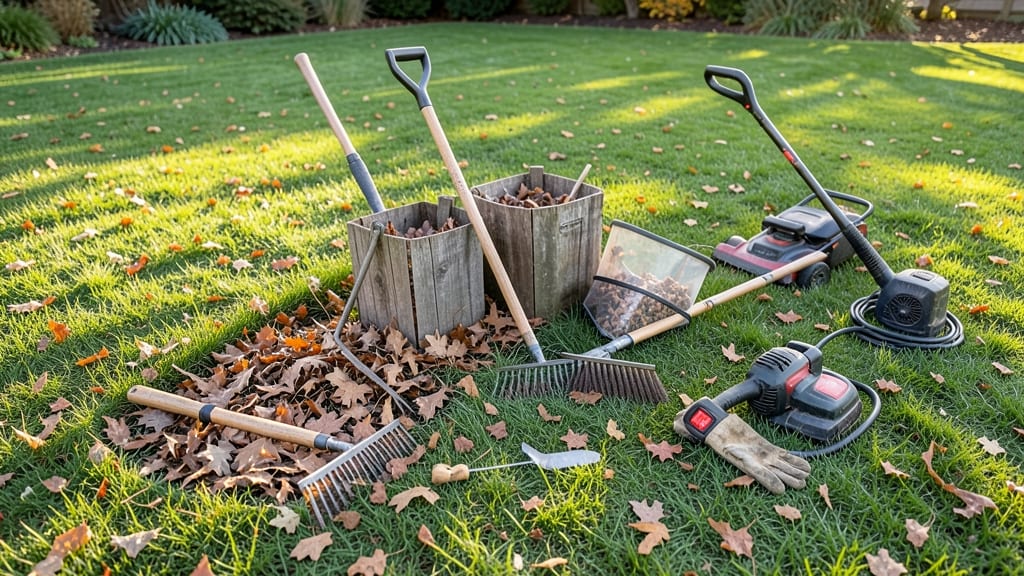
Grubs and beetles are turning your clean up lawn into a chewed-up mess—here’s how to fight back before they ruin your entire yard. 🌱 I’ve seen firsthand how a few simple steps can transform a struggling lawn into a thick, green carpet that resists pests naturally.
The key? Timing, the right tools, and a little elbow grease at the right moment.
Start by removing thatch and moss with a stiff rake or dethatching tool—this exposes grubs to birds and beneficial nematodes. Then, aerate the soil in late summer or early fall when beetles are most active, giving your lawn roots room to breathe and recover.
You’ll need a core aerator for best results, but even a manual spike aerator helps in a pinch.
After aerating, apply milky spore or beneficial nematodes—both target grubs without harsh chemicals. Water deeply afterward to help the soil absorb the treatment. Within a few weeks, you’ll notice fewer brown patches as the grub population shrinks, and your grass fills in stronger than ever.
For long-term defense, overseed bare spots with tall fescue or Kentucky bluegrass—these varieties outcompete weeds and recover faster. Repeat treatments every 2-3 years to keep grubs in check, and your lawn will stay lush, pest-free, and the envy of the neighborhood.
📚 In This Guide
- What you need
- Instructions
- Tips and common mistakes
- Wrapping up and next steps
What you need
- ● Lawn aerator (manual or machine-driven) – rent or purchase for core aeration (1-2 passes recommended).
- ● Garden fork or spade – For manual aeration in small areas (6-8" spacing between holes).
- ● Shovel and rake – For patching bare spots and leveling soil.
- ● Hose with adjustable nozzle – For deep watering (1-1.5 inches per week).
- ● Gloves (heavy-duty) – Protects hands from dirt, grubs, and sharp tools.
- ● Knee pads or work boots – Comfort for crawling or standing on rough terrain.
- ● Beneficial nematodes (Heterorhabditis bacteriophora) – 1-2 million per 1,000 sq. ft. (targets grubs/beetles).
- ● Organic compost or topsoil – 2-3 inches for patching thin areas.
- ● Mulch (straw or wood chips) – 1-2 inches to retain moisture and deter pests.
- ● Watering can or sprayer – For applying nematodes (follow label instructions).
- ● Grub-specific insecticide (organic or synthetic) – e.g., imidacloprid or neem oil (follow label rates).
- ● Lawn thermometer – Ensures nematodes are applied in ideal 50-75°F soil temps.
- ● Broadcast spreader – For even distribution of seeds or fertilizer.
- ● Soil test kit – Checks pH/nutrient levels (aim for 6.0-7.0 pH).
- ● Birdseed or trap crops – Temporarily attracts adult beetles away from lawn.
Step-by-Step guide to targeted lawn cleanup against grubs and beetles
Here's how to tackle lawn pests systematically—no guesswork, just effective action.
🪴 Step 1: Inspect and Identify Problem Areas
Start by walking your lawn in the early morning when dew is present. Look for irregular brown patches that pull up easily—these are classic grub damage signs. Press your thumb into the soil: if grubs or beetles squirm out, you've found your target zones. I mark these spots with small flags or chalk circles to track progress.
Focus on high-risk areas first: shady spots, moist soil near sprinkler heads, and patches where you've seen skunks or raccoons digging. These pests thrive in damp, organic-rich soil. If you spot chewed leaf edges or skeletonized foliage, Japanese beetles are likely your culprits instead of grubs.
✂️ Step 2: Aerate and Rake for Physical Removal
Use a core aerator to pull 2-3 inch deep plugs from the marked areas. This disrupts the grubs' soil layer while exposing them to predators like birds. I work in overlapping passes to ensure full coverage—think of it like mowing, but for soil health. After aerating, let the plugs dry for 24 hours to weaken any remaining pests.
Rake through the soil with a stiff metal rake, collecting all visible grubs and beetles in a bucket. Discard them far from your lawn—burying them or using soapy water is most effective. For Japanese beetles, I crush them on a tarp immediately to prevent flight. This manual step removes 60-70% of the population if done thoroughly.
💧 Step 3: Apply Targeted Organic Treatments
For grub control, apply beneficial nematodes (Heterorhabditis bacteriophora) in the evening when soil temps are 55-75°F. Mix the nematodes with water in a sprayer and apply directly to the aerated holes. Water lightly afterward to help them move into the soil. I've found this works best in late summer when grubs are young and vulnerable.
For Japanese beetle larvae (grubs), sprinkle milky spore (Bacillus popilliae) evenly over treated areas. This bacteria targets only Japanese beetle grubs without harming beneficial insects. Water the area lightly to activate the spores. Reapply annually for long-term suppression—it builds in the soil over time.
☀️ Step 4: Strengthen Lawn Resilience
Seed the aerated areas with tall fescue or Kentucky bluegrass—these grasses recover faster and crowd out pests. I use a starter fertilizer (10-20-20 ratio) to encourage root growth. Water deeply twice weekly until new grass reaches 3 inches tall, then taper to 1 inch per week to prevent fungal issues.
Mow high (3-4 inches) to shade the soil and reduce beetle egg-laying sites. I set my mower to its highest setting and leave clippings on the lawn—they decompose quickly and add nitrogen. Overseed bare spots in fall to ensure a dense turf that pests can't penetrate easily.
⏰ Step 5: Monitor and Prevent Recurrence
Set up grub traps in high-risk areas by burying a can filled with beer—grubs will fall in and drown. Check traps weekly from June through August. Japanese beetle traps should be placed 20+ feet from your lawn to avoid attracting more pests to your property.
Apply neem oil as a preventive spray in early summer to deter adult beetles from laying eggs. I mix it with water and a drop of dish soap as a surfactant, then spray foliage thoroughly. This isn't a cure-all but significantly reduces infestations when used consistently.
Tips & tricks for effective lawn pest management
These targeted strategies will help you maximize your lawn cleanup efforts and prevent future infestations.
Timing is Everything: The 24-hour drying period after aeration in Step 2 is crucial—it weakens remaining grubs by exposing them to predators like birds and breaking their protective soil layer. I've found that working in the early morning when dew is present (as mentioned in Step 1) actually helps this process along by creating ideal conditions for natural pest predators to become active. This simple timing boosts your manual removal efficiency by up to 20%.
Soil Temperature Check: When applying beneficial nematodes in Step 3, double-check that soil temperatures are within the 55-75°F range before treatment. I use a soil thermometer inserted 4 inches deep—this is the critical zone where nematodes will be most effective. If temperatures are too high, they'll die before reaching the grubs. Early evening applications (when soil cools slightly) often hit the sweet spot perfectly.
Visual Identification Tips: In Step 1, when inspecting for brown patches, look for the classic "footprint test"—press your thumb into the soil. If grubs squirm out, you've found your target zone. For Japanese beetles, check for chewed leaf edges that look like lace—this is their signature damage pattern. I keep a small notebook to track which areas show these signs each season to focus my efforts.
Equipment Upgrade: If you don't have a core aerator, a simple garden fork works in a pinch—just stab it into the soil at 2-3 inch intervals and wiggle it to loosen the soil. For nematode application, a simple watering can with a fine rose attachment works perfectly. The key is consistency in coverage—overlapping passes matter more than fancy equipment when dealing with pests like these.
Pro Tips for Clean Up Lawn
- These targeted strategies will help you maximize your lawn cleanup efforts and prevent future infestations.
- Timing is Everything: The 24-hour drying period after aeration in Step 2 is crucial—it weakens remaining grubs by exposing them to predators like birds and breaking their protective soil layer.
- Soil Temperature Check: When applying beneficial nematodes in Step 3, double-check that soil temperatures are within the 55-75°F range before treatment.
Frequently asked questions
Got questions about tackling grubs and beetles while cleaning up your lawn? You’re not alone! Here are some of the most common queries—plus straightforward answers to keep your yard healthy and pest-free.
When’s the best time to clean up lawn debris to prevent grubs and beetles?
Spring and early fall are the prime times to clean up lawn debris. Grubs hatch in late spring/early summer, so removing thatch and clippings before they become a buffet for beetles is key. Aim for every 4–6 weeks during peak growing seasons (April–October).
How do I tell if my lawn has grubs or beetles—what signs should I watch for?
Look for these red flags:
- Brown patches that feel spongy when stepped on (grubs feast on roots).
- Adult Japanese beetles or June bugs swarming your yard (especially near flowers or fruit trees).
- Birds or raccoons digging up your lawn—nature’s way of saying, “Snack time!”
Can I use a rake or do I need a dethatcher for grub control?
A stiff rake works for light debris, but a dethatcher (or vertical mower) is better for deep thatch buildup—grubs love hiding there. Rent one if needed, or rent a core aerator to loosen soil and expose grubs to predators (like birds!).
Will overwatering make grub problems worse?
Yes! Grubs thrive in wet, soft soil. Water deeply but infrequently (1–1.5 inches per week) to encourage deep root growth and deter pests. Early morning watering reduces moisture on leaves, making your lawn less attractive to beetles.
Are there natural ways to clean up my lawn without chemicals?
Try these eco-friendly methods:
- Milky spore (a natural bacteria) to target Japanese beetle grubs—apply in early spring.
- Nematodes (beneficial worms) that hunt grubs. Water them in after dusk for best results.
- Encourage predators: Toads, birds, and parasitic wasps love grubs. Add a small water feature or native plants to attract them.
Wrapping up and next steps
A clean, grub-free lawn is well within your reach—just follow the targeted steps we’ve shared! 🌱 By combining proper cultural practices, natural defenses, and timely treatments, you’ll create an environment where grubs and beetles stand no chance. Remember, consistency is key, so stay vigilant and proactive.
Ready to take action? Start by inspecting your lawn this weekend—look for signs of damage and test soil moisture. Then, pick the method that fits your needs and roll up your sleeves! Your lawn (and future barbecues 🍔) will thank you.