
Lawn
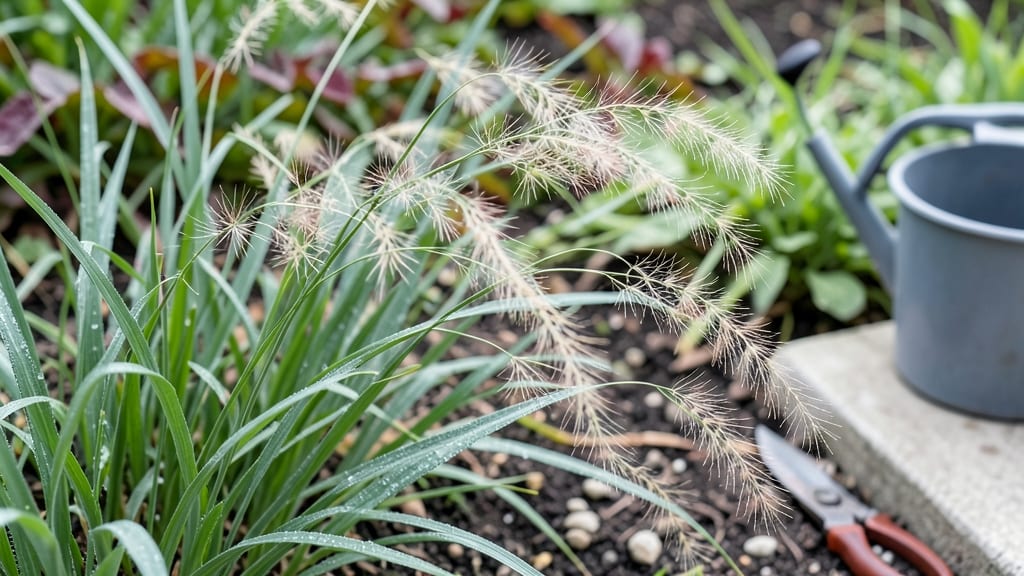
Spider grass weeds might look harmless, but they’re the secret weapon for crowding out invasive weeds in your yard. 🌱 I’ve used them to transform patchy lawns into dense, low-maintenance ground cover that actually works better than mulch.
The key? Knowing how to plant and maintain them so they stay in control—not the other way around.
These tough grasses spread quickly, smothering weeds before they take hold, and they thrive in poor soil where other plants struggle. The trick is timing: plant them in early spring or fall when weeds are just starting to pop up.
They’ll fill gaps faster than any mulch, and once established, they need less water and zero mowing.
You’ll end up with a lawn that stays green year-round, resists weeds naturally, and looks effortless—no more pulling dandelions by hand. The best part? They handle heat and drought better than most grass types, making them perfect for dry climates or sunny spots where other plants wilt.
Whether you’re dealing with a small garden bed or a large yard, spider grass weeds adapt easily. They’re especially great for edges, slopes, or areas where mulch washes away. Ready to say goodbye to weeds for good?
Root Causes Of Unwanted Growth
Spider grass weeds—those wiry, sprawling invaders with their distinctive spidery spread—don’t just pop up by accident. Their persistence is tied to specific environmental and human factors that create the perfect conditions for their takeover.
Understanding these root causes helps you prevent them before they become a lawn nightmare. Here’s why they thrive where they shouldn’t.
🌱 Poor Soil Conditions Create Ideal Terrain
Spider grass (often Elusine indica) loves soil that’s compacted, nutrient-poor, or overly sandy. Here’s how bad soil sets the stage:
- Low organic matter: Healthy soil rich in compost or decomposed plant material supports strong turfgrass roots, crowding out weeds. Spider grass, however, thrives in bare or thin soil where grass struggles to compete.
- High sand content: Sandy soils drain too quickly, leaving shallow roots parched. Spider grass has deep, fibrous roots that tap into moisture below the surface, giving it an edge in drought-prone areas.
- Compacted layers: Heavy foot traffic, machinery, or clay-heavy soil creates a hardpan layer. Water and air can’t reach grass roots, but spider grass sprouts from seed in these cracks, exploiting the stress points in your lawn.
💡 Pro Tip: Test your soil’s pH and organic content. Aim for a 6.0–7.0 pH and 5%+ organic matter. Amend with compost or peat moss to improve structure and moisture retention.
☀️ Heat And Drought Stress Weakens Grass
Spider grass is a drought-tolerant opportunist. When your lawn grass wilts under the sun, it leaves gaps—perfect entry points for these weeds. Here’s how heat plays into their success:
- Shallow-rooted grasses: Cool-season grasses (like fescue or ryegrass) struggle in summer heat, turning brown and dormant. Spider grass photosynthesizes efficiently in high temperatures, using C4 metabolism (a trait shared with corn and sorghum) to outcompete stressed turf.
- Irregular watering: Skipping watering or using short, infrequent cycles (e.g., 5-minute sprinklers) encourages deep root growth in weeds while suffocating shallow grass roots. Spider grass germinates quickly (as little as 3–5 days) after soil disturbance from drought.
- Full-sun exposure: Spider grass prefers direct sunlight (6+ hours/day) and thrives in hot, open areas like driveways, sidewalks, or thin lawn patches. Shade-loving grasses (like St. Augustine) can’t block its spread.
✨ Actionable Fix: Water deeply 2–3 times per week (early morning) to encourage grass roots to grow 4+ inches deep. Use a soaker hose or rain sensor to avoid overwatering, which can also invite spider grass.
🌱 Disturbed Soil Invites Seeds To Sprout
Spider grass spreads primarily via seeds, which lie dormant in soil for years until triggered by disturbance. Even a small disruption can wake them up:
- Construction or landscaping: Digging, grading, or installing hardscapes (like patios) exposes seed banks in the top 1–2 inches of soil—prime real estate for spider grass.
- Thatch buildup: A thatch layer thicker than ½ inch blocks water and air from reaching grass roots but traps moisture near the surface—ideal for spider grass seeds to germinate.
- Foot traffic and pets: Walking, playing, or animal urine can compact soil and create micro-cracks where seeds lodge and sprout.
🔥 Prevention Hack: After any soil disturbance, cover bare spots immediately with a thick layer of mulch (3–4 inches) or re-seed with shade-tolerant grass (like zoysia or buffalograss) to block light and smother seeds.
🌿 Lawn Neglect Gives Weeds The Upper Hand
Spider grass doesn’t just fill gaps—it replaces weak or dying grass. Neglect accelerates this takeover:
- Lack of fertilization: Grass needs nitrogen, phosphorus, and potassium to outcompete weeds. Spider grass, however, fixes nitrogen from the air (via bacteria in its roots), making it resilient in poor soil.
- No mowing routine: Tall grass shades out spider grass initially, but once it’s established, mowing too short (below 2 inches) stresses turf and leaves open patches for weeds.
- Pesticide overuse: Broadleaf herbicides (like 2,4-D) can kill desirable grass while leaving spider grass unharmed—since it’s a grassy weed, not a broadleaf.
🎯 Long-Term Strategy: Follow a fertilization schedule (spring/fall for cool-season grass; spring/summer for warm-season). Mow at 3–4 inches to crowd out weeds and avoid post-emergent herbicides that harm grass.
By addressing these root causes—soil health, watering habits, disturbances, and lawn care—you can starve spider grass of the conditions it needs to spread. The key? Prevention through thick, healthy turf.
Tackle Unwanted Grass Spread
Spider grass weeds—those creeping, wiry invaders—can take over your lawn if left unchecked. The good news? With the right strategies, you can reclaim your yard naturally and effectively. Below are targeted solutions mapped to common causes, plus prevention tips to keep your lawn lush and weed-free.
🌱 Overcrowded or Thin Lawns: Strengthen Your Grass
If your lawn is sparse or patchy, spider grass thrives in the gaps. The fix? Thicken your grass to outcompete weeds naturally.
- 🔥 Reseed Bare Spots
- Choose a dense, fast-growing grass seed (like St. Augustine or Zoysia) that matches your climate.
- Spread seed evenly over bare areas, then lightly rake and water daily for the first 2 weeks.
- 🍳 Fertilize Smartly
- Apply a slow-release, nitrogen-rich fertilizer in early spring or fall to encourage thick growth.
- Avoid over-fertilizing—too much can burn grass and leave it vulnerable to weeds.
- 👨🍳 Overseed in Fall
- Fall is the best time to overseed. Use a slit seeder for even distribution, then water deeply.
💦 Poor Drainage: Improve Soil Health
Spider grass loves soggy soil. If water pools in your yard, it’s an open invitation for weeds.
- 🌡️ Test Your Soil
- Use a DIY soil test kit to check pH and drainage. Ideal pH for most lawns: 6.0–7.0.
- ✨ Amend Compacted Soil
- Mix in compost or sand (for sandy soils) to improve aeration. Top-dress with a thin layer (¼ inch) and water well.
- 🎯 Install a French Drain (If Needed)
- For severely waterlogged areas, a perforated pipe system with gravel can redirect excess water.
☀️ Too Much Sun or Shade: Adjust Care Routine
Spider grass often takes over in lawns that are either too sunny (stressing grass) or too shady (slowing growth).
- 🔥 For Sunny Spots:
- Mow higher (3–4 inches) to shade soil and retain moisture.
- Water deeply 2–3 times per week (early morning) instead of daily light watering.
- 🌿 For Shady Areas:
- Plant shade-tolerant grass like Fine Fescue or Shade Bluegrass.
- Thin out dense tree canopies (if possible) to allow dappled sunlight.
🪒 Chemical or Overuse of Herbicides: Go Natural
Harsh herbicides can kill your lawn while leaving spider grass resistant. Try non-toxic alternatives:
- 💡 Vinegar + Dish Soap Spray (Spot Treatment)
- Mix 1 gallon white vinegar + 1 oz dish soap + 1 tbsp salt.
- Spray directly on weeds (avoid desirable plants—it kills everything!).
- Reapply every 2–3 days until weeds die (usually 1–2 weeks).
- 🌱 Corn Gluten Meal (Pre-Emergent)
- Sprinkle ½ lb per 100 sq ft in early spring to prevent weed seeds from germinating.
- Water lightly to activate.
- 🥗 Boiling Water (For Small Patches)
- Pour boiling water directly on weeds—works best on young, small infestations.
🛡️ Prevention Tips: Keep Weeds Out Long-Term
An ounce of prevention beats a pound of cure. Here’s how to stop spider grass before it starts:
- 🌱 Mow Regularly (But Not Too Short)
- Keep grass at 3–4 inches—taller grass blocks sunlight and crowds out weeds.
- 💦 Water Deeply & Infrequently
- Encourage deep root growth by watering early morning (1–1.5 inches per week).
- 🔄 Aerate Annually
- Use a core aerator in spring or fall to reduce soil compaction and improve nutrient absorption.
- 🌿 Mulch with Straw or Wood Chips
- Apply a 2–3 inch layer around garden beds to smother weeds and retain moisture.
- 🐞 Encourage Beneficial Insects
- Ladybugs and ground beetles eat spider grass seeds. Plant marigolds or clover to attract them.
With these targeted fixes, you’ll not only eliminate existing spider grass but also create a lawn so healthy, weeds won’t stand a chance. Start with one or two methods, monitor progress, and adjust as needed!
Frequently asked questions about spider grass weeds
How can I tell if those wiry green shoots are spider grass weeds?
Look for thin, sprawling stems with hair-like seed heads that spread outward like spider legs. Unlike ornamental spider grass, these weeds grow aggressively in clumps and have no variegated stripes. Their leaves are narrower than ¼ inch and often appear in bare patches of lawns or garden beds.
Will vinegar really kill spider grass weeds without harming my lawn?
Vinegar works as a spot treatment but can damage nearby grass too. Use a 1:1 vinegar-water mix with 1 tbsp dish soap and apply only to weeds on sunny days. For safety, test a small patch first. For large areas, corn gluten meal (pre-emergent) is a better long-term organic solution.
Why does spider grass keep coming back even after I pull it?
These weeds spread through seeds that lie dormant for years in your soil. Even small disturbances (like pulling) can trigger new growth. The best defense is preventing seeds with thick grass, mulch, or pre-emergent treatments in early spring. Once established, they’re nearly impossible to eradicate completely.
Can I use herbicides safely around spider grass weeds?
Most post-emergent herbicides won't work because spider grass is a grassy weed. Pre-emergent options like prodiamine or pendimethalin can help prevent new growth, but always check for lawn-safe labels. For organic solutions, try boiling water or salt (but avoid desirable plants).
How long does it take to see results from natural weed control methods?
Results vary by method: Boiling water kills weeds in 1-2 days, while vinegar may take 1-2 weeks for full die-off. For prevention, corn gluten meal works best when applied 4-6 weeks before weeds appear. Patience is key—consistent lawn care yields long-term results.