
Plants
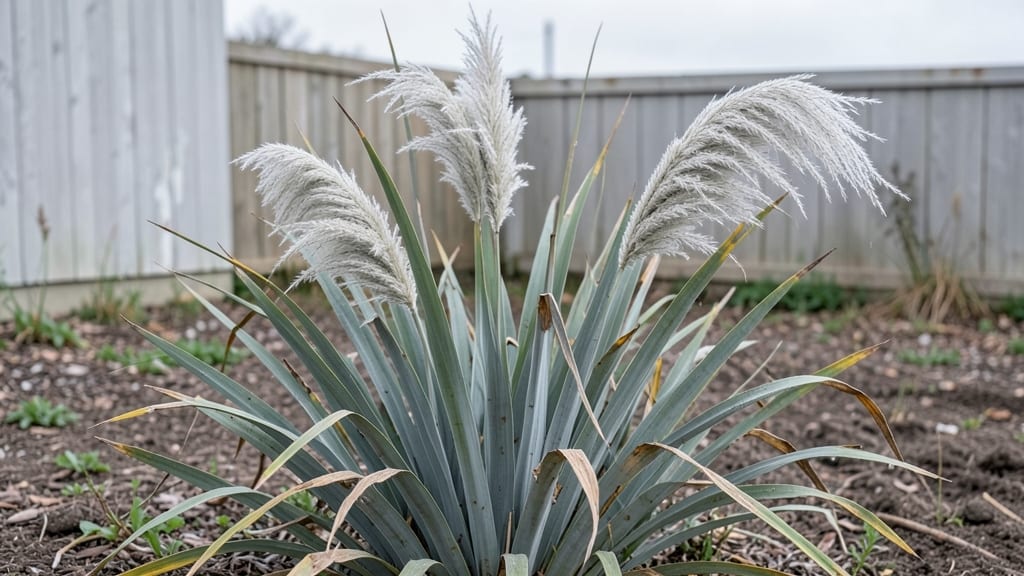
Small pampas grass adds a touch of dramatic elegance to any garden with its feathery plumes and minimal upkeep.
If you dream of a low-maintenance, drought-resistant garden that thrives year-round with minimal effort, small pampas grass could be your perfect solution—adding dramatic texture without overwhelming space. This compact variety is ideal for borders, containers, or mixed plantings, offering seasonal interest with a modern twist.
Unlike its towering cousins, this dwarf version fits seamlessly into small spaces while still making a statement. Pair it with succulents for a desert-inspired look or blend it with perennials for a cottage-garden charm.
Whether you're designing a modern patio or a coastal retreat, small pampas grass brings effortless beauty to your outdoor space.
Discover how to style it in your garden, from container ideas to seasonal pairings, and unlock the secrets to keeping it lush with minimal effort.
Why small pampas grass stands out in drought-tolerant landscaping
When designing a water-wise garden, small pampas grass (Cortaderia selloana 'Pumila') emerges as a standout choice for its drought-resistant roots and compact growth habit.
Unlike its towering cousins, this variety reaches just 3-5 feet tall, making it perfect for small gardens, containers, or urban patios where space is limited but drama is desired.
What truly sets it apart is its ability to thrive in USDA Zones 7-10 with minimal water once established.
Native to South America, this grass has evolved to store moisture efficiently in its deep, fibrous roots, allowing it to survive prolonged dry spells—a critical trait for modern landscapes facing water restrictions.
Its silver-white plumes provide year-round interest, contrasting beautifully with evergreen foliage or seasonal blooms. Unlike many ornamental grasses that flop in heat, small pampas grass maintains its upright structure even in 100°F+ temperatures, making it a reliable performer in arid climates.
Here’s how it compares to other popular drought-tolerant grasses in key categories:
| Feature | Small Pampas Grass | Muhly Grass | Blue Fescue |
|---|---|---|---|
| Mature Height | 3-5 ft | 2-3 ft | 1-2 ft |
| Drought Tolerance | Excellent (deep roots) | Good (clump-forming) | Moderate (needs occasional water) |
| Sunlight Needs | Full sun (6+ hours) | Full sun to part shade | Full sun to light shade |
| Cold Hardiness | Zones 7-10 (may die back in Zone 6) | Zones 5-9 | Zones 3-8 |
| Maintenance Level | Low (prune dead plumes) | Low (cut back in spring) | Moderate (needs division every 3-4 years) |
| Best For | Containers, borders, coastal gardens | Mixed borders, pollinator gardens | Rock gardens, modern landscapes |
Unlike traditional pampas grass, which can reach 10+ feet and dominate landscapes, the compact varieties like 'Pumila' or 'Baby Pampas' stay neatly contained in small spaces.
This makes them ideal for container gardening—just plant in a 12-inch pot with well-draining soil and watch it thrive on a balcony or patio.
Another advantage is its minimal pruning needs. While traditional pampas grass requires annual cutting back to control size, small pampas grass only needs light trimming in late winter to remove dead plumes. This low-maintenance trait makes it perfect for busy gardeners or those new to ornamental grasses.
For coastal gardens, small pampas grass also excels due to its salt tolerance. Its silver plumes provide a striking contrast against blue-green succulents or lavender, while its wind-resistant structure prevents the flopping common in other grasses during storms.
If you’re designing a modern or minimalist landscape, pair it with succulents like sedum or agave for a low-water, high-impact look. For cottage-style gardens, combine it with purple coneflowers or black-eyed Susans to add softness to its architectural form.
One final standout feature is its winter hardiness in warmer climates. While it may die back in Zone 6 or colder, in Zones 7-10 it remains evergreen or semi-evergreen, providing year-round texture that many grasses lose during cold months.
For gardeners
How to plant and care for small pampas grass in containers or beds
Small pampas grass (Cortaderia selloana 'Pumila') brings dramatic texture to gardens without the overwhelming size of its standard cousin. Whether you're working with containers on a patio or garden beds, these compact varieties thrive with minimal fuss.
The key lies in well-draining soil, full sun exposure, and strategic pruning to maintain their neat, bushy shape.
Unlike traditional ornamental grasses, small pampas grass adapts beautifully to urban settings and small spaces. Its silver-white plumes add movement and elegance year-round, making it a standout feature.
For best results, focus on proper spacing (3-4 feet apart) and consistent watering during the first year to establish strong roots. Once settled, it becomes drought-tolerant and nearly maintenance-free.
🌱 Step-by-Step Planting & Care Guide
- ✅ Soil Prep: Mix well-draining soil with compost (50/50 ratio) to prevent root rot. Avoid heavy clay.
- ✅ Sunlight Needs: Place in full sun (6+ hours/day). Containers need south-facing exposure for best growth.
- ✅ Watering Schedule: Water deeply weekly for the first year. Mature plants tolerate drought well—reduce to bi-weekly once established.
- ✅ Pruning Tips: Cut back dead plumes in early spring. Trim overgrown foliage to encourage denser growth.
- ✅ Container Care: Use pots 12"+ deep with drainage holes. Repot every 2-3 years to refresh soil.
For container gardening, choose pots with drainage holes to prevent waterlogging, which can kill roots. Small pampas grass grows 3-5 feet tall in containers, making it perfect for balconies or patios.
Pair it with succulents or lavender to create a Mediterranean-inspired display. In garden beds, space plants 4 feet apart to allow airflow and prevent disease.
One of the biggest mistakes beginners make is overwatering. Small pampas grass prefers dry conditions once established—water only when the top 2 inches of soil feel dry.
In hot climates, mulch around the base to retain moisture and regulate soil temperature. This simple step reduces watering needs by up to 30%.
Pruning is where you’ll see the most dramatic results. In late winter or early spring, cut back last year’s plumes to the ground. This encourages new, fresh growth and keeps the plant looking neat and tidy.
Avoid heavy pruning in summer, as the plant needs its foliage to photosynthesize and store energy for winter.
With the right care, your small pampas grass will reward you with year-round interest, from silver plumes in summer to textured foliage in winter. It’s a low-maintenance superstar that fits seamlessly into modern, cottage, or coastal gardens.
Start with these steps, and you’ll enjoy a stunning, hassle-free addition to your outdoor space! 🌿