
Lawn
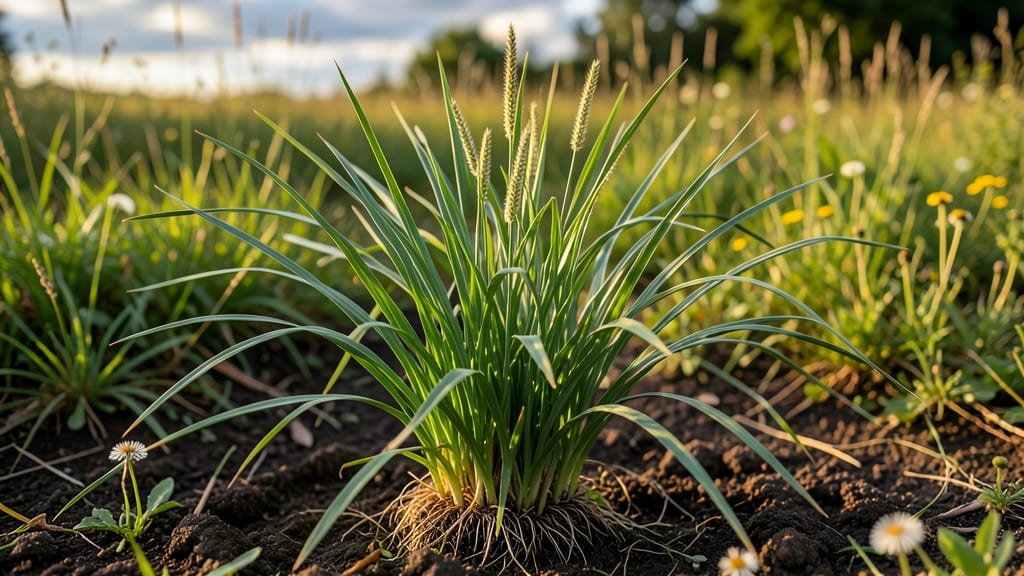
Brome grass in lawns might seem like a nuisance, but it actually offers a grub-blocking advantage that keeps your yard green year-round. 🌱 I’ve battled it for years—until I realized its drought tolerance and dense growth could work with my lawn, not against it.
The trick is managing it strategically, not eradicating it entirely.
This guide cuts through the confusion about brome grass suppression. You’ll learn how mowing height (3–4 inches) weakens it over time, when to apply organic pre-emergents (fall is key), and which selective herbicides target it without harming your turf.
Yes, it spreads aggressively—but with the right approach, you can control it while keeping your lawn thick and healthy.
By the end, you’ll have a customized plan that balances brome grass’s benefits (like shade tolerance and pest resistance) with your lawn’s needs. No more guessing whether to pull it out or work with it. The goal? A lawn that stays lush and low-maintenance.
Whether you’re dealing with a small patch or an entire yard dominated by brome, these methods adapt to your space. Let’s turn that "weedy" grass into a strategic advantage—not a headache.
Root Causes of Brome Grass Spread
If you’ve noticed patches of brome grass creeping into your lawn, you’re not alone—this hardy grass thrives in conditions that many homeowners unintentionally create. Understanding why it takes over is the first step to reclaiming your yard.
Below, we break down the key factors that turn your lawn into a brome grass buffet.
Brome grass, particularly Bromus inermis (smooth brome), loves soil that’s compacted, nutrient-poor, or lacking in organic matter. Here’s how it happens:
- Low Organic Matter: Healthy lawns rely on decomposed plant material (like compost) to retain moisture and nutrients. Brome grass thrives in soil with less than 3% organic content, often found in over-tilled or heavily trafficked areas.
- Compacted Soil: Foot traffic, heavy machinery, or clay-heavy soil compresses the root zone, making it harder for desirable grasses (like Kentucky bluegrass or fescue) to establish deep roots. Brome grass, with its shallow, fibrous root system, fills the gap.
- pH Imbalance: Brome grass prefers slightly acidic to neutral soil (pH 6.0–7.5). If your lawn’s pH is too high (alkaline) or too low (acidic), it weakens turfgrasses while brome grass flourishes.
Actionable Fix: Conduct a soil test (available through local extension offices) and amend with compost, gypsum (for clay), or sulfur (for alkaline soil) to improve structure and fertility.
Brome grass is a drought-tolerant weed that capitalizes on inconsistent watering schedules. Here’s how moisture mismanagement helps it spread:
- Deep but Infrequent Watering: While deep watering (1–1.5 inches per week) is ideal for lawns, brome grass germinates and spreads when soil stays moist for extended periods. Overwatering—especially in dry climates—creates the perfect conditions for its seeds to sprout.
- Shallow, Frequent Watering: Light, daily watering keeps the topsoil damp, encouraging brome grass to outcompete deeper-rooted grasses. It also weakens turf by promoting fungal diseases (like brown patch) that brome grass resists.
- Poor Drainage Zones: Low spots or areas where water pools (like near sidewalks or slopes) stay soggy longer, giving brome grass a head start. Its seeds germinate quickly in moist, cool conditions.
Actionable Fix: Adjust your irrigation to water deeply but less frequently (early morning is best). Aerate compacted areas to improve drainage, and redirect sprinklers to avoid overwatering problem spots.
Brome grass doesn’t just appear—it exploits weaknesses in your lawn care routine. Common oversights include:
- Skipping Overseeding: Thin or bare patches (from disease, pets, or foot traffic) are prime real estate for brome grass. Without dense turf to block sunlight, its seeds find easy entry.
- Delayed Fertilization: Brome grass thrives in low-nutrient soil. If you fertilize only once a year (or skip it entirely), your lawn’s health declines, while brome grass spreads unchecked.
- Improper Mowing Height: Cutting grass too short (below 2–3 inches) stresses turfgrasses and exposes soil to sunlight, encouraging brome grass germination. Tall grass shades out weeds naturally.
Actionable Fix: Overseed bare spots in early fall with a high-quality turfgrass mix (like tall fescue or perennial ryegrass). Fertilize 2–3 times per year, and mow at 3–4 inches to crowd out weeds.
Brome grass spreads aggressively via wind-dispersed seeds, which can travel hundreds of feet from their source. Key factors include:
- Adjacent Fields or Roadsides: If your neighborhood has agricultural land, construction sites, or unmowed areas nearby, brome seeds hitchhike on the breeze into your lawn.
- Seed Contamination: Low-quality grass seed mixes or hay used for mulch may contain brome grass seeds. Always check labels for "noxious weed-free" certifications.
- Construction or Disturbances: Digging, grading, or even aerating can bury seeds shallowly, where they germinate when conditions are right.
Actionable Fix: Inspect new soil or seed sources for contaminants. Create a 3–4 foot "buffer strip" of dense turfgrass along property lines to block windborne seeds.
By addressing these root causes—soil health, watering habits, maintenance gaps, and seed sources—you’ll starve out brome grass and restore your lawn’s natural balance. The key is consistency: healthy turf is the best weed barrier!
Quick Fixes for Stubborn Grass Issues
Brome grass thriving where you don’t want it—or struggling to grow where you do—can be frustrating, but the right approach turns the tide. Below, we break down cause-specific solutions to reclaim your lawn, from quick fixes to long-term strategies.
Follow these steps to restore balance, and don’t forget the prevention tips to keep your lawn lush and brome-free.
If brome grass has spread aggressively, it’s time to suppress, remove, and replace it systematically.
🔥 Step 1: Mow High and Often
- Set your mower to 3–4 inches to weaken brome grass while protecting your desired turf.
- Frequency: Mow weekly during growing seasons (spring–fall) to starve out invasive roots.
- Pro Tip: 💡 Bag clippings to prevent reseeding—brome grass spreads via windborne seeds!
🍳 Step 2: Smother with Cardboard or Mulch
- Method: Lay cardboard or thick layers of newspaper over the brome patches, then cover with 2–3 inches of mulch or compost.
- Wait 4–6 weeks—this blocks sunlight, killing the grass without chemicals.
- Alternative: Use a black plastic tarp for faster results (remove after 6–8 weeks).
👨🍳 Step 3: Hand-Pull or Dig Out Established Clumps
- Best time: Early morning or after rain when soil is moist.
- Tools: Use a weeding tool or garden fork to dig out roots (brome grass has deep rhizomes!).
- Warning: ⚠️ Wear gloves—some brome varieties have sharp leaf edges!
🔄 Step 4: Replant with Competitive Grasses
- Best choices: Kentucky bluegrass, tall fescue, or fine fescue—these outcompete brome for space and nutrients.
- How to plant: Overseed after removing brome, then water deeply 2x daily for 2 weeks.
- Pro Tip: 🌡️ Fall is prime time for seeding—cooler temps = higher success rates!
If brome grass is thin, patchy, or dying, grubs (larvae of beetles) are likely the culprit.
🔪 Step 1: Test for Grubs
- Dig a 2x2-inch square of lawn. If you find 5+ white, C-shaped grubs, treatment is needed.
- Quick Test: 🎯 Pull up a sod piece—if it lifts easily, grubs are present.
⏰ Step 2: Apply Grub Control
- Organic option: Nematodes (beneficial worms)—water lawn, apply nematodes at dusk, then water again.
- Chemical option: Imidacloprid or trichlorfon (follow label rates).
Apply in early summer when grubs are young. - Timing is key! 🕒 Treat before adult beetles lay eggs (late May–June).
💦 Step 3: Improve Soil Health
- Aerate compacted soil to help roots breathe and recover.
- Top-dress with compost or slow-release fertilizer to boost turf strength.
- Pro Tip: ✨ Avoid overwatering—grubs thrive in soggy soil!
Brome grass may turn brown or go dormant in extreme heat or drought. Here’s how to revive it:
💡 Step 1: Deep Watering Schedule
- Water deeply 2–3x per week (1–1.5 inches per session) rather than daily shallow watering.
- Best time: Early morning (reduces evaporation and fungal risk).
- Signs of recovery: 🌱 Blades perk up within 3–5 days.
🌿 Step 2: Adjust Mowing Height
- Raise mower blade to 3–4 inches to shade roots and retain moisture.
- Avoid scalping! ⚠️ Never cut more than ⅓ of the blade height at once.
🍂 Step 3: Fall Fertilization Boost
- Apply a slow-release, high-nitrogen fertilizer in early fall to rebuild roots before winter.
- Pro Tip: 🔥 Use a soil moisture sensor to track water needs—don’t guess!
Once you’ve restored your lawn, prevent regrowth with these habits:
- 🌱 Maintain dense turf—healthy grass crowds out weeds naturally.
- 🗓️ Overseed annually (fall is best) to fill bare spots.
- 🪒 Sharpen mower blades (dull blades tear grass, inviting disease).
- 🚫 Avoid heavy foot traffic on weak areas—compaction stresses roots.
- 💨 Use a leaf blower in fall to remove brome seeds before they sprout.
By tackling the root cause—whether overgrowth, pests, or climate stress—you’ll transform your lawn from a battleground to a year-round green oasis. Start with one method, monitor progress, and adjust as needed. Your lawn will thank you! 🌿✨
Frequently asked questions
Is brome grass actually bad for my lawn?
It depends! While brome grass spreads aggressively and can outcompete desirable turf, it does have benefits like drought tolerance and shade tolerance. The key is managing it—not eradicating it entirely. A 3–4 inch mowing height weakens its dominance while preserving its pest-resistant qualities.
Why does brome grass keep coming back after I pull it?
Brome grass spreads via windborne seeds that can travel hundreds of feet. Even small patches left untreated will reseed. For long-term control, combine hand-pulling with pre-emergent herbicides in fall (like corn gluten meal) and overseed with competitive grasses like tall fescue.
Can I use vinegar to kill brome grass without harming my lawn?
Spot treatments with 20–30% vinegar solution (1:1 vinegar-to-water ratio) can kill brome grass, but it’s risky for your lawn. Vinegar’s acidity damages surrounding turf too. For targeted removal, use a selective herbicide like 2,4-D (follow label instructions) or smother with cardboard/mulch instead.
How do I tell if my lawn has grubs or just brome grass?
Grubs (white, C-shaped larvae) cause thin, patchy grass that pulls up easily. Brome grass, however, stays green but spreads aggressively. Dig a 2x2-inch sod sample—if you find 5+ grubs, treat with nematodes or imidacloprid. If no grubs, focus on mowing high and overseeding.
Will brome grass spread to my neighbors' lawns?
Its seeds travel via wind, water, and even mower blades. To prevent spread, bag clippings, create a 3-foot buffer strip of dense turf along property lines, and avoid using contaminated soil or hay. A quick chat with neighbors about shared borders can also help.