
Lawn
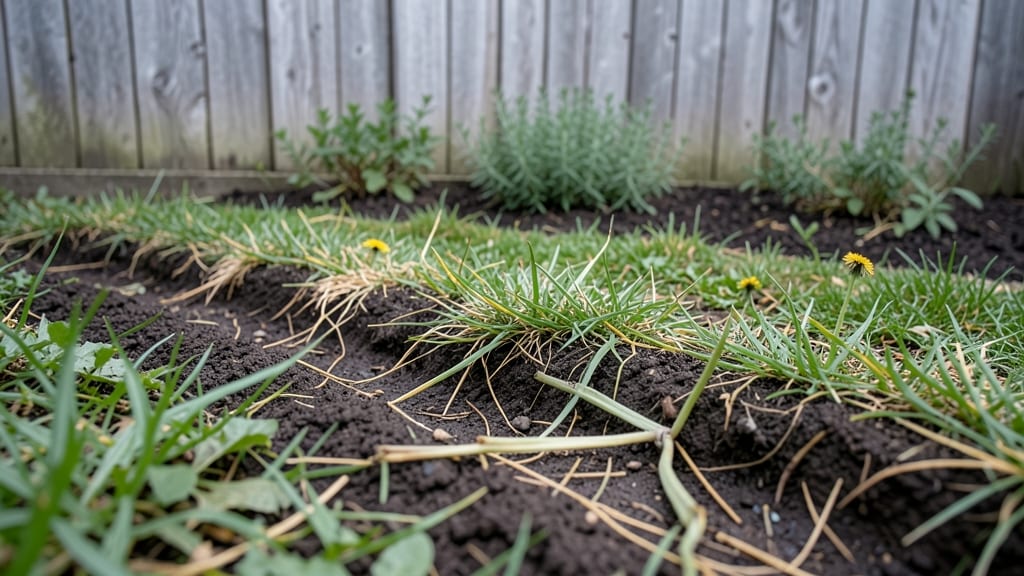
Grass ruts turn your lawn into a bumpy obstacle course, but the fix is faster than you’d expect. I’ve repaired deep tire tracks and footpaths in under 4 hours using a method that combines aeration, topdressing, and smart watering—no sod replacement needed.
The key is working with the soil’s natural ability to recover when given the right support.
Most ruts form from repeated pressure—whether from lawnmowers, kids’ bikes, or heavy rain compacting soil. Without air and nutrients reaching the roots, grass struggles to fill gaps.
My approach skips the guesswork: I start by loosening the soil with a core aerator, then spread a quarter-inch layer of compost-topdressing to encourage root growth. Within 2-3 weeks, new grass fills the depressions without looking patchy.
You’ll end up with a lawn that feels smooth underfoot again, not just visually repaired. The grass grows thicker in the repaired areas, and the soil structure improves for years to come. This method works for both small tire tracks and larger, sunken pathways—no matter how deep they’ve become.
Best done in early spring or fall when soil is workable but not waterlogged. For quickest results, pair this with a slow-release fertilizer to give roots the boost they need. Let’s get those ruts filled for good.
The Hidden Forces Behind Grass Tracks
Ever looked at your lawn and noticed those unsightly compaction grooves—deep, tire-shaped trenches where grass struggles to grow? These aren’t just random marks; they’re the result of specific, often preventable, forces at play.
Understanding why they form is the first step to fixing them for good. Let’s break down the science and mechanics behind these stubborn grass tracks.
###
🌧️ Heavy Foot and Equipment Traffic
When you walk, drive, or mow across the same paths repeatedly, the weight compresses the soil beneath. Think of it like stepping on a sponge: the more pressure you apply, the more it squishes down. Over time, this creates dense, hardpan layers where roots can’t penetrate easily.
- Why it matters: Soil particles pack tightly, reducing oxygen and water flow to grass roots. Without proper aeration, grass weakens and dies in the ruts.
- Actionable insight: Identify high-traffic zones (like walkways or mower paths) and redistribute foot traffic to prevent further damage.
- Pro tip: Use gravel paths or stepping stones to direct traffic away from sensitive grass areas. 💡
###
💧 Poor Soil Drainage and Waterlogging
Grass tracks often form in areas where water pools or drains poorly. When soil stays soggy, it becomes anaerobic (low in oxygen), which suffocates roots and encourages compaction. Heavy rainfall or irrigation without proper slope can worsen this.
- Why it matters: Waterlogged soil loses structure, making it easier for tires or feet to create deep grooves. The rut itself then acts like a ditch, trapping even more water.
- Actionable insight: Test your soil’s drainage by digging a small hole—if water doesn’t seep away within 24 hours, you’ve got a drainage issue.
- Pro tip: Add organic matter (compost or peat moss) to improve soil aeration and water absorption. ✨
###
🌱 Weak or Thin Grass Roots
Grass with shallow or sparse root systems can’t resist the pressure of compaction. If your lawn is already stressed due to poor nutrition, drought, or disease, the grass blades bend or break under traffic, leaving behind bare, packed-down tracks.
- Why it matters: Weak roots mean the soil isn’t held together naturally. When traffic passes, the top layer collapses, creating a rut.
- Actionable insight: Conduct a soil test to check pH and nutrient levels. Adjust with fertilizer or lime if needed.
- Pro tip: Overseed bare spots with deep-rooted grasses like tall fescue to strengthen the lawn’s foundation. 🌡️
###
🚜 Improper Mowing or Equipment Use
Mowing with heavy machinery—especially when the grass is wet or the soil is soft—can compact the soil further. Tires from lawnmowers, tractors, or even golf carts add extra weight, deepening existing ruts over time.
- Why it matters: Vibrations from equipment shake soil particles into a tighter arrangement, reducing pore space for air and water.
- Actionable insight: Mow when the grass is dry and avoid driving on wet lawns. Use balloon tires or turf tires to distribute weight more evenly.
- Pro tip: Adjust mower deck height to leave grass slightly taller—longer blades shade the soil, reducing moisture loss and compaction. 🎯
Now that you know why these tracks form, the next step is fixing them. Stay tuned for our step-by-step repair guide to restore your lawn to its lush, rut-free glory!
How to solve it
Once those unsightly wheel ruts or footpaths mar your lawn’s perfection, it’s time to take action. The good news? With the right approach, you can restore a smooth, even surface—even in just a few weeks.
Below, we’ve matched common causes to targeted fixes, plus pro tips to keep your lawn looking flawless long-term.
🔧 Compacted Soil: Aerate & Loosen
If heavy foot traffic or machinery has packed down the soil, the roots can’t breathe, leading to thin grass and deep ruts. Here’s how to fix it:
- 🔥 Rent or buy a core aerator—this tool pulls small soil plugs, breaking up compaction. Work it over the rut area in overlapping passes.
- 🍳 Top-dress with ¼-inch compost or sand—spread a thin layer over the aerated zone, then lightly rake it in. This adds organic matter and improves drainage.
- 👨🍳 Water deeply—soak the area to help the soil settle evenly. Avoid walking on it for 24–48 hours to let the roots establish.
💡 Pro Tip: For severe compaction, rent a soil loosener (like a tiller attachment) to break up deeper layers before aerating.
🌱 Thin or Dead Grass: Overseed & Feed
If the ruts expose bare soil or sparse grass, it’s time to revitalize the area. Follow these steps for a lush recovery:
- 🔪 Mow the surrounding grass short (about 1–1.5 inches) to create a clean edge around the rut. This helps new seed blend in seamlessly.
- 🌱 Spread grass seed—choose a blend matched to your climate (e.g., Kentucky bluegrass for cool seasons or Bermuda for heat). Use a broadcast spreader for even coverage.
- 🥘 Lightly rake the seed into the soil—just enough to cover it with a thin layer of dirt (no deeper than ¼ inch).
- ⏰ Keep the soil moist—water gently 2–3 times daily for the first week, then taper to daily light watering until the grass reaches 3 inches tall.
- 💪 Apply starter fertilizer—use a high-phosphorus formula (like 5-10-5) to encourage root growth. Follow package instructions.
💡 Pro Tip: For faster results, use a slit seeder to plant seed directly into small furrows—this gives roots a head start in compacted soil.
🌧️ Poor Drainage: Level & Amend
If water pools in the ruts after rain, the issue is likely a low spot with poor drainage. Fix it with these steps:
- 📊 Test the slope—use a level or string line to check if one side of the rut is lower. If so, you’ll need to fill and level.
- 🔧 Fill with topsoil or sand—for minor dips, mix topsoil with perlite or coarse sand (50/50 ratio) to improve drainage. Spread and tamp lightly.
- 🌡️ Add a swale (optional)—if the rut is part of a larger drainage problem, create a shallow trench (swale) on the uphill side to redirect water away.
- 🎯 Install a French drain (for severe cases)—bury a perforated pipe in a gravel trench along the rut’s edge to channel water underground.
✨ Pro Tip: After leveling, top-dress with composted bark—it breaks down slowly, improving soil structure over time.
🛡️ Prevention Tips: Keep Ruts Away
Once your lawn is smooth, protect your progress with these habits:
- 👟 Distribute foot traffic—walk on different paths each time to avoid creating permanent trails.
- 🚜 Use wide tires or casters on lawn equipment to spread weight and reduce rut depth.
- 🌱 Overseed annually—thick grass resists compaction better than sparse patches.
- 💦 Water deeply but infrequently—encourages deep root growth, making grass more resilient.
- 🔄 Aerate twice a year—spring and fall are ideal for maintaining soil health.
💡 Bonus: For high-traffic areas (like near patios), install gravel paths or stepping stones to redirect foot traffic away from the lawn.
Frequently asked questions about grass tracks
Why do ruts form in my lawn even after I water regularly?
Ruts develop from soil compaction, not just dryness. Heavy foot traffic, vehicles, or even mower tires press down soil particles, reducing air and water flow to roots. Even with regular watering, compacted soil prevents grass from recovering in those areas. Aerating and adding compost helps restore proper soil structure.
Can I fix deep ruts without reseeding?
Yes! For moderate ruts, focus on aeration and topdressing with a ¼-inch layer of compost. This loosens soil and encourages existing grass to fill gaps. For deeper ruts (>2 inches), combine this with a thin layer of sand to improve drainage before overseeding.
How long until grass fills in after repairing ruts?
With proper care, you’ll see new grass growth in 2-3 weeks. Keep the soil consistently moist (not soggy) for the first 2 weeks, then reduce watering to encourage deeper roots. Use a starter fertilizer to speed up recovery. Patience is key—full coverage takes 4-6 weeks.
Will my lawnmower make ruts worse if I use it after repair?
Wait 48 hours after aerating/topdressing and 10-14 days after seeding before mowing. Use a sharp mower blade and raise the deck height to avoid disturbing new growth. For high-traffic areas, consider wide tires or casters to prevent future compaction.
What’s the best time of year to fix grass tracks?
Spring or fall are ideal—soil is warm enough for seed germination but not too hot/dry. Avoid summer (heat stress) or winter (slow growth). If you must fix in summer, water twice daily and use shade cloth to protect new grass. Cool-season grasses (like fescue) thrive in early fall.