
Pests
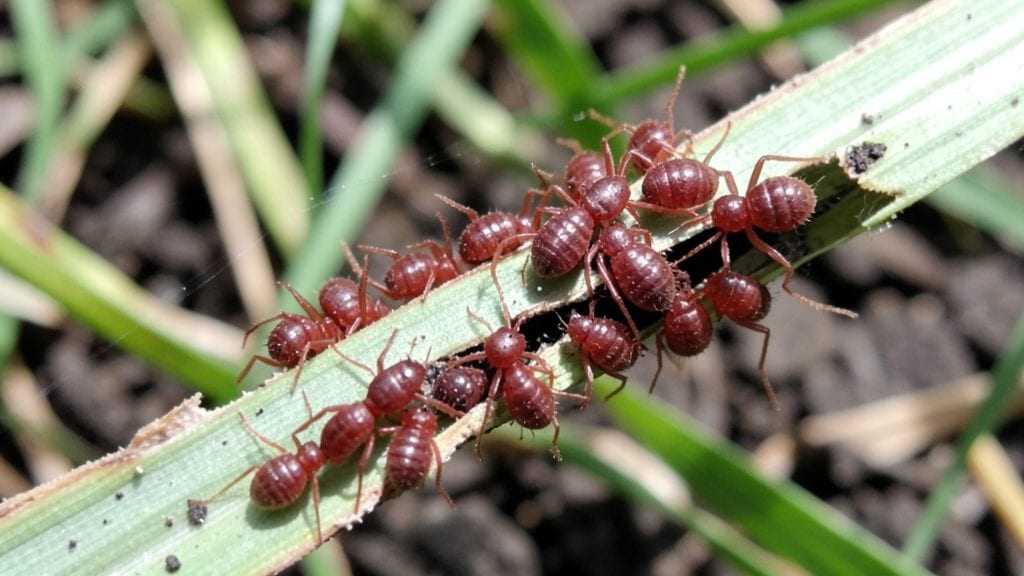
Red lawn mites can turn your yard into a patchy, straw-colored mess in just a few weeks. 🌱 I’ve battled these tiny pests after they stripped my lawn’s green in a matter of days—until I discovered these fast-acting organic fixes that actually work.
The key isn’t brute force but smart timing and targeted treatments that break their life cycle before they spread.
These mites thrive in dry, hot conditions, so they strike hardest in late summer when lawns are stressed. Look for yellowing patches that spread like a wave, or tiny red specks scurrying when you lift grass blades.
Most store-bought remedies fail because they miss the mites’ hiding spots—under blades and in thatch. My go-to solutions cut infestations in 5-7 days without harsh chemicals.
You’ll see your lawn bounce back with deeper green within 10 days of treatment, and the best part? These methods keep mites from returning next season. No more patchy, sunburned grass—just a thick, resilient lawn that stays lush even in heat waves. Let’s get those mites under control for good.
Works for all grass types, from Bermuda to Kentucky bluegrass, and adapts to drought-prone yards. Here’s exactly how to tackle them without waiting for the damage to worsen.
Hidden Triggers Behind Lawn Irritants
Reddish bumps, itchy skin, and unexplained rashes after spending time outdoors? These could be signs of microscopic pests lurking in your grass. Understanding why these tiny troublemakers thrive in your lawn is the first step to reclaiming your yard—and your peace of mind.
Let’s break down the science behind their presence, so you can tackle the root cause with confidence.
🌱 Overwatered grass creates a mite buffet
Red lawn mites (like Trombiculidae species) love damp, shady environments—think of your lawn as their all-you-can-eat salad bar. When grass stays soggy for days, it creates the perfect breeding ground. Here’s why:
- Moisture Magnet: Overwatering keeps soil saturated, giving mites ideal humidity levels (60–80% relative humidity). They need this to survive and reproduce.
- Fungal Feast: Excess water encourages fungal growth, which mites munch on. The more fungi, the more mites stick around.
- Weakened Grass: Overwatered lawns often suffer from poor drainage or compacted soil, stressing grass and making it easier for mites to latch onto humans or pets.
Actionable Fix: Adjust your watering schedule—aim for deep but infrequent watering (1–1.5 inches per week) and improve drainage with sand or aeration. Mites hate dry conditions!
🌿 Thatch buildup hides their hideouts
That thick, spongy layer of dead grass and roots? It’s not just unsightly—it’s a mite hotel. Thatch traps moisture, debris, and organic matter, creating a cozy ecosystem where mites thrive undetected. Here’s the breakdown:
- Insulation Effect: Thatch (over ½ inch thick) holds moisture like a sponge, extending the mites’ breeding season into drier months.
- Food Source: Decaying organic matter in thatch provides a steady food supply, reducing the need for mites to seek out hosts (like you!).
- Protection from Predators: Thick thatch shields mites from birds, insects, and other natural enemies that might otherwise keep their populations in check.
Actionable Fix: Dethatch your lawn in early spring or fall using a rake or vertical mower. For severe cases, consider a manual thatch rake or professional core aeration to break up the layer.
🐛 Lawn pests pave the way for mites
Mites don’t work alone—they often hitchhike on other pests’ chaos. When your lawn becomes a buffet for grubs, chinch bugs, or even ants, mites move in for the party. Here’s how it works:
- Grubs as Mite Magnets: White grubs (larvae of beetles) tunnel through soil, creating micro-habitats mites adore. Their waste also fertilizes the lawn, indirectly boosting mite-friendly fungi.
- Chinch Bugs Disrupt Balance: These pests suck plant juices, weakening grass and making it more susceptible to mite infestations. A stressed lawn = easier access for mites.
- Ant Trails = Mite Highways: Ants disturb soil and create tunnels, inadvertently spreading mite larvae and eggs across your yard.
Actionable Fix: Treat other pest issues first! Use beneficial nematodes for grubs or neem oil for chinch bugs. A healthy lawn resists mites naturally.
🌞 Heat and dry spells trick mites into action
Paradoxically, mites also thrive when conditions swing from wet to dry too quickly. This whiplash forces them to seek out hosts (like you!) for survival. Here’s the science:
- Desiccation Stress: When soil dries out suddenly, mites lose their moisture reserve and scramble to find damp hiding spots—often on skin or pets.
- Host Seeking Mode: Mites release pheromones to signal others when conditions turn harsh, leading to swarming behavior near humans or animals.
- Weakened Hosts: Heat stress can make grass (and pets) more vulnerable to mite bites, as their natural defenses are compromised.
Actionable Fix: Water consistently during dry spells to avoid drastic moisture changes. If mites are already active, avoid walking on the lawn barefoot until treatments are applied.
Pro Tip: 🔍 Inspect your lawn at dusk—that’s when mites are most active. Look for tiny red specks near grass blades or thatch. Early detection = easier elimination!
How to solve it
Discovering those pesky red lawn mites crawling around your yard can feel like a nightmare—especially when you’re trying to keep your grass lush and your family safe. The good news? With the right approach, you can tackle these tiny troublemakers fast and naturally.
Below, we’ve broken down the most effective solutions based on the root cause of your infestation, so you can act with confidence. Plus, we’ll share prevention tips to keep them from coming back!
###
🔥 Overwatered or Damp Grass? → Drain & Dry
Red lawn mites thrive in moist conditions, so if your yard stays soggy—whether from overwatering, poor drainage, or recent rain—you’ve got a prime breeding ground. Here’s how to fix it:
- 💦 Reduce watering: Water deeply but less frequently—aim for 1 inch per week (including rain). Early morning is best to let excess moisture evaporate.
- 🌱 Improve drainage: Aerate compacted soil with a garden fork or rent a core aerator. Add organic matter like compost or sand to help water absorb better.
- ☀️ Speed up drying: Mow your lawn slightly shorter (but not scalped!) to expose more soil to sunlight. Use a fan or blow leaves/grass clippings off the lawn to encourage airflow.
💡 Pro Tip: If your yard has low spots, consider installing a French drain or redirecting downspouts to prevent standing water.
###
🍳 Thick Thatch Layer? → Scratch & Scrape
Thatch—a spongy layer of dead grass and roots—traps moisture and provides hiding spots for mites. Break it down to disrupt their habitat:
- 🪓 Dethatch manually: Use a lawn rake or dethatching tool to gently pull up thatch in small sections. Focus on areas where mites are most active.
- 🌿 Overseed bare spots: After dethatching, sprinkle grass seed and top with a thin layer of soil to encourage new growth, which crowds out mite-friendly debris.
- 🔄 Repeat as needed: Thatch builds up over time, so make dethatching part of your spring and fall lawn care routine.
✨ Bonus: Apply a light layer of diatomaceous earth (DE) after dethatching—it’s a natural, non-toxic way to kill mites on contact (just reapply after rain).
###
👨🍳 Pet or Wildlife Activity? → Clean & Disrupt
Animals like dogs, rabbits, or even birds can stir up mites while digging or nesting. If you suspect pets or wildlife are the culprits:
- 🐕 Inspect pet bedding: Wash pet blankets, toys, and bedding in hot water (130°F+) to kill mites. Vacuum their favorite lounging spots thoroughly.
- 🦊 Remove wildlife attractants: Secure trash cans, pick up fallen fruit, and store pet food indoors. Install chicken wire around garden edges if burrowing animals are a problem.
- 🧼 Deep-clean high-traffic areas: Use a vinegar-water spray (1:1 ratio) to wipe down decks, patios, and play areas where pets or wildlife might have tracked mites.
🎯 Prevention: Train pets to avoid digging in the lawn, or designate a sandy or mulched “dig zone” far from grassy areas.
###
🥘 Chemical Residues or Fertilizer Burn? → Flush & Feed
Harsh chemicals, over-fertilizing, or even weed killers can stress your lawn, making it vulnerable to mite infestations. Revive your grass with these steps:
- 💧 Flush the soil: Water the lawn heavily for 2–3 days to leach out excess salts or chemicals. This also helps beneficial microbes recover.
- 🌱 Switch to organic fertilizers: Use compost tea, fish emulsion, or slow-release organic granules to nourish grass without harming mites.
- 🛑 Avoid synthetic pesticides: They can kill beneficial insects that prey on mites (like ground beetles). Opt for neem oil or insecticidal soap as targeted treatments.
🌡️ Quick Fix: Test your soil’s pH—mites prefer acidic conditions (pH 6.0–6.5). Add lime to raise pH if needed, or sulfur to lower it.
###
⏰ Late-Summer or Fall Infestation? → Time Your Treatment
Red lawn mites peak in late summer and early fall, so timing is everything. If you’re dealing with a seasonal outbreak:
- 🍂 Mow high in fall: Set your mower to 3–4 inches to shade the soil and deter mites. Leave grass clippings to decompose naturally—they add nutrients!
- 🍄 Apply fungal treatments: Miticides like beauveria bassiana (a natural fungus) can target mites without harming plants. Follow label instructions carefully.
- 🌿 Plant mite-repelling ground covers: Spread creeping thyme, clover, or moss in shady areas—these plants naturally suppress mites.
⚠️ Warning: Avoid treating in extreme heat or drought—stressed grass won’t recover well from treatments.
Once you’ve addressed the root cause, monitor your lawn for 2–4 weeks to ensure mites don’t return. Consistency is key—whether it’s adjusting watering habits, improving drainage, or switching to organic care, small changes add up to a mite-free yard!
Frequently asked questions
How can I tell if my lawn has red lawn mites instead of just dry grass?
Look for tiny red specks (about the size of a pinhead) clinging to grass blades or thatch, especially in damp areas. The real giveaway? Yellowing patches that spread rapidly—these mites suck plant juices, causing grass to turn straw-colored in just 5-7 days. Check at dusk when they’re most active.
Will diatomaceous earth (DE) work on red lawn mites, and how often should I apply it?
Yes! Food-grade DE kills mites by dehydrating them on contact. Sprinkle a light layer over affected areas after mowing, then water lightly to help it stick. Reapply every 3-5 days or after rain—it loses effectiveness when wet. Avoid breathing the dust and keep pets/kids away until settled.
Can red lawn mites bite humans or pets, and how do I treat the bites?
Absolutely—they latch onto skin, causing red, itchy bumps (like chigger bites) that appear 6-12 hours after exposure. Wash bites with soapy water, apply calamine lotion or hydrocortisone cream, and take antihistamines for itching. Keep lawns dry to prevent future bites.
Why do red lawn mites seem to disappear after rain but come back worse?
Rain washes away mites temporarily, but the damp conditions actually trigger their breeding cycle. The moisture creates ideal humidity (60-80%) for eggs to hatch faster. To break the cycle, improve drainage and apply neem oil after rain—it disrupts their life cycle without harming plants.
Are there any natural predators that can help control red lawn mites?
Yes! Ground beetles, ladybugs, and predatory mites (like Hypoaspis miles) feast on them naturally. Attract these helpers by avoiding pesticides, planting clover or thyme (their favorite nectar sources), and keeping grass slightly taller to provide shelter.