
Pests and Diseases
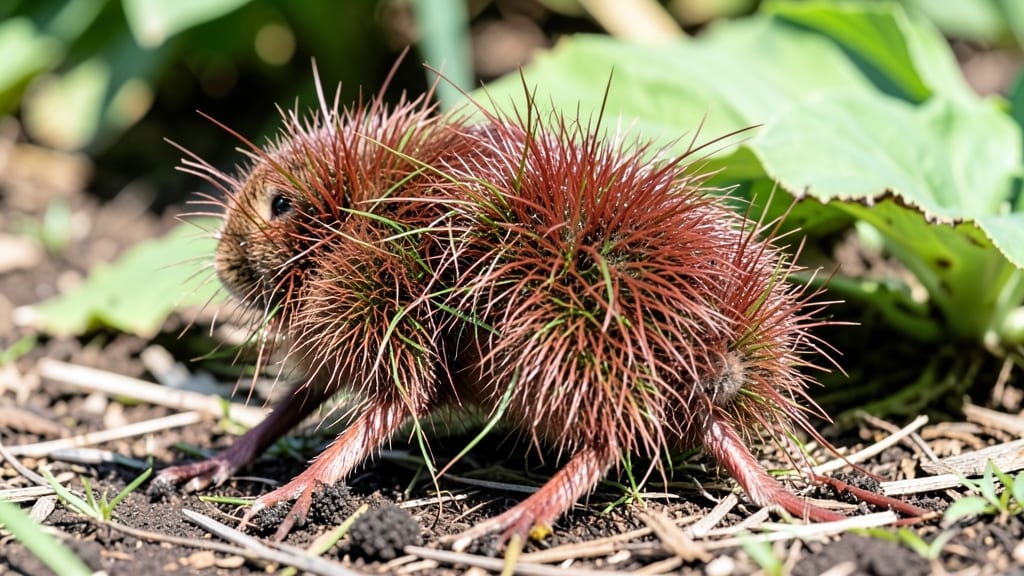
Rabbit grass weed (Poa annua) is the lawn invader that outsmarts even the best mowers. I’ve battled it for years—until I discovered natural barriers that finally kept it from creeping back in. The key isn’t just pulling what you see; it’s stopping the seeds before they sprout.
This weed thrives in thin lawns and garden edges, sending out runners that choke out your plants. Most people drown it in herbicide, but I found that cardboard mulch and dense ground covers work just as well—without chemicals.
The trick is timing: smother it in late spring when new growth is tender.
You’ll see results in 4-6 weeks—no more patchy lawns or weeds popping up between your flowers. The barriers block sunlight and break the seed cycle, so regrowth becomes a thing of the past. Even stubborn patches give up when you cut off their light.
Works for lawns, vegetable beds, and flower gardens alike. Here’s how to set up the barriers for good—no more guessing or temporary fixes. Let’s make your yard rabbit-proof for good.
How Invasive Grasses Spread Unchecked
If you’ve ever battled a stubborn patch of unwanted grass creeping into your lawn or garden, you’re not alone. Rabbit grass (or similar invasive species) thrives in the right conditions, often leaving homeowners frustrated as it outcompetes desirable plants.
But why does it happen? Let’s break down the science behind its relentless spread.
🌱 Poor soil conditions create the perfect haven
Invasive grasses like rabbit grass often take root where native plants struggle. Compacted, nutrient-poor, or overly moist soil creates an ideal environment for them to dominate. Here’s how:
- Low organic matter: Healthy soil is rich in decomposed plant material, which supports strong root systems in desirable grasses. When soil lacks this, invasive species with shallow, aggressive roots (like rabbit grass) fill the gap.
- High clay or sand content: These textures drain water poorly (clay) or too quickly (sand), stressing out lawn grasses. Rabbit grass, however, tolerates both extremes, allowing it to outcompete weaker neighbors.
- Acidic or alkaline extremes: Most lawn grasses prefer a pH of 6.0–7.5. If your soil is outside this range, rabbit grass—adaptable to a wider pH range—can take over.
Actionable fix: Conduct a soil test to identify deficiencies. Amend with compost, gypsum (for clay), or sand (for sandy soil) to improve structure and fertility.
🌞 Overwatering and shallow root systems
While water is essential, overwatering can drown deep-rooted grasses while encouraging shallow-rooted invaders like rabbit grass. Here’s the connection:
- Surface moisture: Rabbit grass thrives in topsoil moisture because its roots spread horizontally, absorbing water near the surface. Deep-watering lawns (like Kentucky bluegrass) can’t compete if they’re not getting enough.
- Weakened turf density: Overwatering leads to fungal diseases (like brown patch) that kill grass, leaving bare spots for rabbit grass to invade.
- Irrigation habits: Frequent light watering (e.g., daily sprinklers) mimics natural rainfall, which rabbit grass loves. Deep, infrequent watering (1–1.5 inches per week) strengthens native grasses.
Actionable fix: Adjust your watering schedule to early morning (4–8 AM) and aim for deep saturation. Use a rain gauge or tuna can to measure—1–1.5 inches per week is ideal for most lawns.
🪓 Lawn damage opens the door
Any disturbance—whether from foot traffic, pets, or construction—creates entry points for invasive grasses. Here’s how damage accelerates their spread:
- Thin or bare patches: Rabbit grass seeds germinate quickly in disturbed soil. A single seed can produce thousands of tillers (stems), filling gaps faster than slow-growing lawn grasses.
- Compacted soil from foot traffic: Heavy use compresses soil, reducing oxygen and water penetration. This stresses out deep-rooted grasses while rabbit grass’s shallow roots thrive in the compacted layer.
- Construction or aeration mishaps: Even well-intentioned lawn care (like aggressive aeration) can create micro-habitats perfect for rabbit grass if not followed by proper seeding and overseeding.
Actionable fix:
- 🔧 Repair bare spots immediately with a dense, competitive grass seed mix (e.g., tall fescue or perennial ryegrass).
- 👟 Reduce foot traffic on high-use areas or use stepping stones.
- ⏳ Wait 4–6 weeks after aeration before overseeding to allow soil to settle.
🌿 Lack of competitive grass species
Not all grasses are created equal. Rabbit grass outcompetes weak or slow-growing turfgrasses because of its aggressive growth habits. Here’s why:
- Fast germination and spread: Rabbit grass seeds sprout in 5–10 days and spread via rhizomes (underground stems), creating dense mats. Slow-growing grasses (like Bermuda in cool climates) can’t keep up.
- Drought and heat tolerance: In hot, dry summers, many lawn grasses go dormant. Rabbit grass stays green, shading out competitors.
- Poor lawn maintenance: Skipping mowing, fertilizing, or overseeding lets rabbit grass dominate. It thrives in unmanaged spaces.
Actionable fix:
- 🌱 Choose competitive grasses for your climate (e.g., Zoysia in heat, fine fescue in shade).
- 💰 Fertilize properly: Use a slow-release nitrogen fertilizer in early spring to boost native grass growth.
- ✂️ Mow high (3–4 inches) to strengthen turf density and block sunlight for weeds.
Key takeaway: Rabbit grass doesn’t just appear—it exploits weaknesses in soil, watering, lawn care, and plant selection. By addressing these root causes, you can starve out the invaders naturally.
How to solve it
If you’ve spotted rabbit grass weed creeping into your lawn, garden, or landscape, don’t panic—there are effective ways to tackle it without resorting to harsh chemicals. The key is to address the root causes with targeted solutions.
Below, we break down the most common reasons for its persistence and how to fix them, plus tips to keep it from coming back.
###
🌱 Overcrowded or Thin Lawns → Thicken Your Grass
When your lawn is sparse, weeds like rabbit grass thrive because they have open space to spread. To crowd them out:
- ✂️ Mow high: Set your mower to 3–4 inches to shade the soil and discourage weed seeds from germinating.
- 🌱 Overseed bare spots: Fill thin areas with a dense, competitive grass like tall fescue or Kentucky bluegrass in early fall.
- 💧 Water deeply but infrequently: Encourage deep root growth (1–1.5 inches per week) to outcompete weeds.
Pro tip: 🌡️ Test your soil first—rabbit grass often takes hold in nutrient-poor or compacted soil. Amend with compost or a slow-release fertilizer to give your grass an edge.
###
🌿 Poor Soil Conditions → Improve Drainage & Nutrition
Rabbit grass loves disturbed, sandy, or clay-heavy soil. To make your yard less inviting:
- 🔄 Aerate compacted soil: Rent a core aerator to create holes (2–3 inches deep) every 6–12 months. This helps water and nutrients reach grass roots.
- 🍃 Add organic matter: Mix in 1–2 inches of compost or aged manure to improve soil structure and moisture retention.
- 💧 Fix drainage issues: If water pools after rain, consider installing a French drain or grading the area to slope away from your lawn.
Pro tip: ✨ Mulch garden beds with 2–3 inches of wood chips or straw to block sunlight and suppress weed seeds naturally.
###
🌞 Excessive Sunlight → Shade Problem Areas
Rabbit grass thrives in full sun. If it’s dominating sunny patches:
- 🌳 Plant shade trees or shrubs: Fast-growing options like crape myrtle or arborvitae can gradually reduce sunlight over time.
- 🏡 Install shade cloth: Use 30–50% shade fabric temporarily to weaken existing weeds before planting ground covers.
- 🌿 Use mulch under trees: A 3-inch layer of mulch (like pine straw) smothers weeds and retains moisture.
Pro tip: 🎯 Choose shade-tolerant ground covers like creeping thyme or clover to replace rabbit grass in sunny spots.
###
🔥 Manual Removal & Natural Barriers → Block Regrowth
For stubborn patches, physical removal and barriers are your best friends:
- 🔪 Pull weeds by hand: Grab the base (including roots) when the soil is moist. A weeding tool helps for deep roots.
- 🛡️ Install landscape fabric: Lay heavy-duty fabric under mulch or gravel in garden beds to block light and weed seeds.
- 🌿 Use corn gluten meal: Apply this organic pre-emergent in early spring (follow label rates) to prevent weed seeds from sprouting.
Pro tip: 💡 Solarize soil in summer for extreme cases: Cover the area with clear plastic for 4–6 weeks to bake out weeds and seeds.
###
🌦️ Prevention Tips: Keep It From Returning
Once you’ve cleared rabbit grass, stay one step ahead with these habits:
- 🗓️ Stay consistent: Mow, water, and fertilize on a schedule to keep your lawn dense.
- 🧹 Clean up debris: Remove fallen leaves and grass clippings, which can harbor weed seeds.
- 🚜 Edge regularly: Trim grass and weeds along driveways and sidewalks to prevent spread.
- 🌱 Plant perennials: Fill garden edges with low-growing plants like sedum or ajuga to create natural weed barriers.
With patience and the right approach, you can reclaim your space—without relying on chemicals! 🌿
Frequently asked questions about rabbit grass weed
How do I tell rabbit grass apart from regular grass?
Rabbit grass (Poa annua) has flat, narrow leaves and grows in dense clumps with thin stems. Unlike desirable turfgrass, it often appears patchy and spreads aggressively through rhizomes (underground stems). Check for seed heads that look like tiny spikes—those confirm it’s a weed.
Will vinegar kill rabbit grass permanently?
Vinegar works as a short-term killer (3–7 days), but it won’t prevent regrowth. Rabbit grass has deep roots and seeds that lie dormant, so you’ll need to reapply vinegar every 2–3 weeks or combine it with mulch or landscape fabric to block sunlight. For lasting results, use corn gluten meal in early spring.
Can I use herbicide safely around my lawn?
Selective herbicides like 2,4-D or dicamba target broadleaf weeds, but rabbit grass is a grass-type weed. Use glyphosate-based herbicides (like Roundup) carefully—apply only to the weed, not your lawn, and water the area afterward to prevent drift. For organic options, try boiling water or salt vinegar mixes (test on a small patch first).
Why does rabbit grass keep coming back after I pull it?
Rabbit grass spreads via underground rhizomes and seeds, so pulling alone won’t stop it. You must dig out the roots (at least 2–3 inches deep) and smother the area with cardboard or mulch. Without sunlight, the roots starve. For prevention, overseed bare spots with competitive grass like tall fescue in fall.
Is rabbit grass harmful to pets or children?
No, rabbit grass is non-toxic and safe for pets and kids. However, its sharp seed heads can irritate skin or eyes if touched frequently. The real concern is its aggressive spread, which crowds out safe, nutrient-rich lawn grasses. Focus on removal to keep your yard healthy and pet-friendly!