
Plants
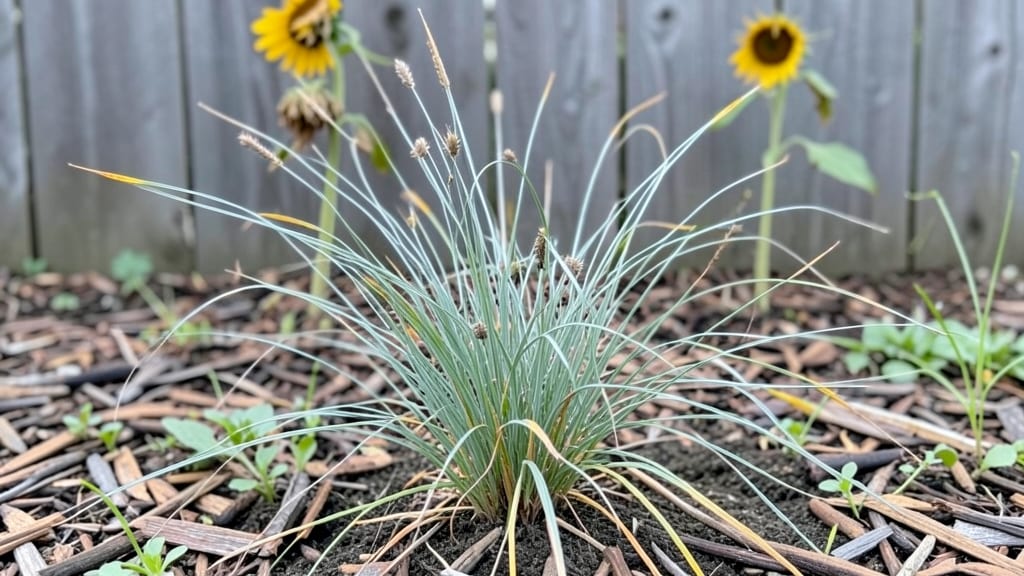
Growing Pony Tails Feather Grass 🌿 could transform your garden into a drought-proof oasis with silvery-blue plumes that sway effortlessly in the breeze.
If you dream of a lush, low-maintenance landscape that thrives even during droughts, this ornamental grass delivers year-round texture with minimal fuss. No more struggling with thirsty plants that wilt under the sun—just plant, water occasionally, and enjoy the results.
Native to the Mediterranean, Pony Tails Feather Grass thrives in USDA Zone 6a and beyond, making it perfect for spring planting in March or April.
Its fine, airy blades and delicate seed heads add movement and elegance to any space, whether you’re xeriscaping, lining a pathway, or adding height to a container.
In this guide, I’ll walk you through everything you need to know—from soil prep to watering tips—to keep your Pony Tails Feather Grass looking its best with almost no effort. Let’s get started!
Why Pony Tails Feather Grass stands out for drought-tolerant landscapes
Pony Tails Feather Grass (Nassella tenuissima) isn't just another ornamental grass—it's a drought-resistant superstar that transforms water-guzzling landscapes into stunning, low-maintenance gardens. Native to Mediterranean climates, this grass thrives where traditional lawns fail, making it perfect for xeriscaping and rock gardens. Its silvery-blue plumes add year-round visual interest while requiring 80% less water than turfgrass.
Unlike thirsty Kentucky Bluegrass or Fescue, Pony Tails Feather Grass develops deep root systems that tap into underground moisture, reducing evaporation. This native resilience means once established, it survives prolonged dry spells without browning or wilting.
Its fine, wispy texture also creates movement in breezes, adding dynamic visual appeal to high-traffic areas like pathways and patios.
Here's how it compares to other drought-tolerant grasses and traditional lawns in key categories:
<comparison-table>| Feature | Pony Tails Feather Grass | Buffalo Grass | Kentucky Bluegrass | Fescue |
|---|---|---|---|---|
| Water Needs | Very Low (established) | Low | High | Medium |
| Sunlight Needs | Full Sun (6+ hrs) | Full Sun | Full Sun to Partial | Partial to Full |
| Mature Height | 1.5-2.5 ft | 4-8 in | 2-4 ft | 1-3 ft |
| Drought Tolerance | Excellent (9/10) | Good (7/10) | Poor (3/10) | Fair (5/10) |
| Ornamental Value | Very High (plumes, texture) | Low (fine texture) | Medium (green color) | Medium (texture) |
| Foot Traffic Tolerance | High (soft stems) | High | Very High | Medium |
| Soil Adaptability | Poor to Average | Average to Poor | Rich to Average | Average |
| Maintenance Level | Very Low (no mowing) | Low (occasional mow) | High (frequent mow) | Medium (seasonal mow) |
One of the biggest advantages of Pony Tails Feather Grass is its versatility in design. Unlike Buffalo Grass, which stays low and dense, this variety grows upright with arching plumes that create movement.
In rock gardens, its airy texture softens sharp edges, while in containers, it cascades beautifully over edges. I've even seen it used as a living mulch between stepping stones, where its low water needs make it ideal.
The silvery-blue foliage provides a striking contrast to purple blooms like lavender or yellow flowers such as black-eyed Susans. Pair it with
How to plant and care for Pony Tails Feather Grass: a step-by-step guide
Planting Pony Tails Feather Grass is simpler than you might think, and with the right conditions, it’ll reward you with silvery-blue plumes that dance in the breeze all year.
Unlike high-maintenance plants, this drought-resistant beauty thrives on neglect once established. The key? Full sun, well-draining soil, and occasional watering—no fancy fertilizers or constant attention required.
Whether you’re a seasoned gardener or a beginner, this ornamental grass is one of the easiest plants to grow. It’s perfect for xeriscaping, rock gardens, or even as a striking accent in containers.
I’ve planted mine in both in-ground beds and hanging baskets, and it’s flourished in both—just as long as it gets plenty of sunlight.
- 1 Choose the Right Spot: Select a location with 6+ hours of full sun daily. Partial shade will stunt growth and reduce those signature plumes.
- 2 Prep the Soil: Amend clay or heavy soil with compost or sand to improve drainage. Sandy or loamy soil works best—avoid waterlogged areas.
- 3 Plant in Spring: Sow seeds or transplant 3-6 inches apart after the last frost (typically March-April in USDA Zone 6a). Press lightly into soil—no need to bury deeply.
- 4 Water Deeply: Keep soil moist but not soggy for the first 2-3 weeks. Once established, water every 7-10 days—deep soaks encourage root growth and drought resistance.
- 5 Fertilize Lightly: Apply a balanced 5-10-10 fertilizer in early spring (1 tbsp per plant). Skip fertilizing in summer and fall—this grass prefers low-nutrient conditions.
- 6 Prune in Late Winter: Cut back dead foliage to 2-3 inches tall before new growth starts. This keeps the plant neat and encourages fresh shoots.
- 7 Mulch Sparingly: Add a thin layer of mulch (1 inch) to retain moisture, but avoid piling it against the plant base to prevent rot.
After planting, the first few weeks are critical. I’ve found that morning watering is ideal—it gives the soil time to dry slightly during the day, reducing the risk of fungal diseases.
Overwatering is the #1 mistake I see with new gardeners, so resist the urge to pamper it too much. Once your grass reaches 12 inches tall, it’s officially drought-tolerant and will handle dry spells like a pro.
In summer, reduce watering to every 2 weeks unless your area experiences extreme heat. The silvery-blue blades actually help reflect sunlight, keeping the plant cooler. If you notice browning, it’s often a sign of overwatering or poor drainage—not underwatering. Trim back any crispy bits to encourage new growth.
By fall, your Pony Tails Feather Grass will start looking a little ragged as it goes dormant. That’s normal! Just leave the dead foliage over winter—it acts as insulation. In late winter, give it a light trim and watch those new silvery shoots emerge in early spring.
With minimal effort, you’ll have a year-round textural star that’s as tough as it is beautiful.