
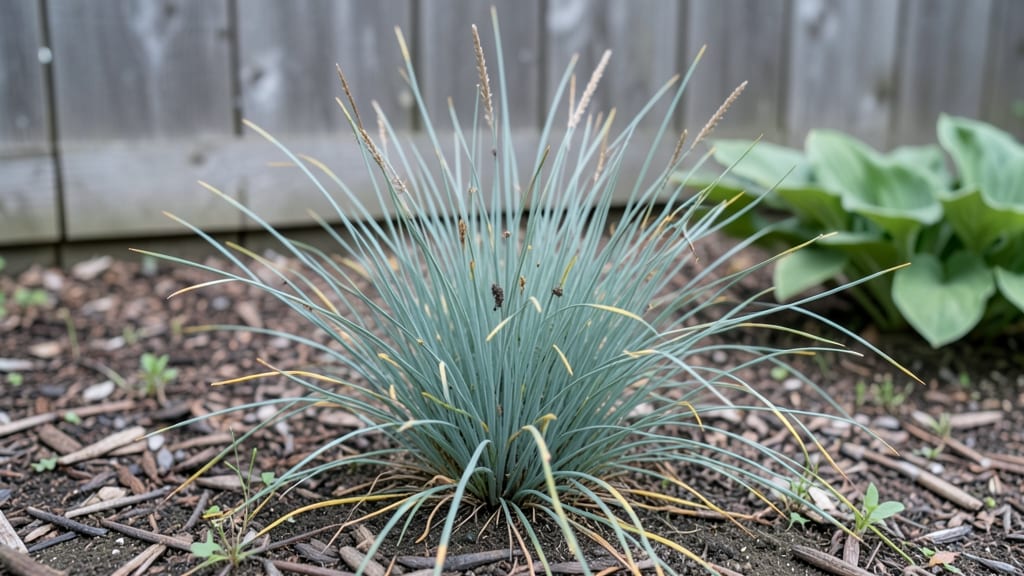
Berkeley Sedge Grass: Year-Round Green Beauty for Shade Gardens

Plants

Berkeley Sedge Grass: Year-Round Green Beauty for Shade Gardens

Growing berkeley sedge grass 🌿 transforms dull shade spots into lush, low-maintenance carpets that stay green all year.

Struggling to keep your shady garden lush and vibrant year-round? Berkeley sedge grass (Carex buchananii) could be your secret weapon—this hardy, evergreen groundcover thrives in deep shade while demanding minimal care.

Unlike traditional lawns that struggle in low-light areas, this drought-tolerant grass spreads effortlessly, chokes out weeds, and handles foot traffic like a champ. It’s the perfect solution for under trees, along foundations, or anywhere sunlight is scarce.

In this guide, I’ll walk you through everything you need to know—from planting in spring or fall to troubleshooting common issues—so you can enjoy a year-round green oasis with almost no effort.

Why Berkeley sedge grass stands out in shade gardens

If you've ever struggled with bare patches in your shady garden, Berkeley sedge grass (Carex 'Berkeley') might be the solution you've been searching for.

Unlike traditional lawn grasses that wilt in low light, this evergreen groundcover thrives under trees, shrubs, or dense canopies while maintaining its lush, vibrant appearance year-round. Its fine-textured foliage and compact growth habit make it ideal for urban gardens, woodland edges, or even container plantings where sunlight is scarce.

What truly sets Berkeley sedge apart is its unmatched resilience in challenging conditions. While other shade-loving plants may struggle with drought stress or pests, this sedge boasts exceptional drought tolerance once established and natural resistance to most common fungal diseases and insect infestations.

Unlike fussy ferns or slow-growing hostas, Berkeley sedge delivers instant impact with minimal effort—perfect for busy gardeners who want beauty without the upkeep.

The comparison table below highlights why Berkeley sedge outperforms other shade-tolerant grasses and groundcovers in key categories like light tolerance, maintenance needs, and seasonal performance. You'll see why it's becoming a top choice for modern shade gardens.

Feature Berkeley Sedge (Carex 'Berkeley') Japanese Forest Grass (Hakonechloa macra) Sweet Woodruff (Galium odoratum) Fescue Grass (Festuca glauca)
Light Tolerance Deep shade to partial sun Partial shade (3-6 hrs sun) Full to partial shade Full sun to partial shade
Drought Tolerance Excellent (once established) Moderate (needs consistent moisture) Low (requires frequent watering) Moderate (drought once mature)
Maintenance Level Very low (no mowing, minimal trimming) Low (occasional pruning) Moderate (spreading habit) Low (occasional shearing)
Seasonal Interest Year-round green + subtle seed heads Golden foliage in fall/winter Fragrant foliage in spring Blue-gray foliage year-round
Pest/Disease Resistance High (rare issues) Moderate (susceptible to slugs) Low (attracts slugs) Moderate (occasional fungal issues)
Height at Maturity 12-18 inches 12-18 inches 6-12 inches 10-12 inches
Spread Potential Moderate (clumping) Slow (non-invasive) Aggressive (spreading)

Planting and maintaining Berkeley sedge for maximum impact

Berkeley sedge (Carex 'Berkeley') transforms shady spots into lush, year-round green carpets with almost no effort. Unlike traditional lawns that struggle in low light, this evergreen ornamental grass thrives in deep shade gardens while resisting disease and drought.

The key to its success lies in proper planting techniques and low-maintenance care—both of which I’ll break down step-by-step.

When planted correctly, Berkeley sedge forms a dense, uniform groundcover that chokes out weeds and softens harsh garden edges. It’s perfect for understory plantings, woodland gardens, or even as a living mulch around shrubs.

But without the right approach, you might end up with patchy growth or brown tips. Let’s dive into the exact methods that guarantee a thriving, vibrant lawn alternative.

⚠️ Common Mistake Alert: Overwatering New Plants

Berkeley sedge is drought-tolerant once established, but soggy soil during its first year will drown roots and cause fungal rot. Many gardeners accidentally kill their sedge by watering daily—stick to deep watering every 7-10 days instead. The key is moist (not wet) soil—think of a damp sponge, not a soaked rag.

Start by planting in early spring (March-April) or fall (September-October) when temperatures are mild. This gives roots 6-8 weeks to establish before summer heat or winter frost. For best results, choose a partially shaded spot with 3-6 hours of morning sun—this prevents leaf scorch while keeping the grass vibrant.

Test your soil’s drainage first: if water pools after 30 minutes, amend with compost or sand to improve airflow.

Space plants 12-18 inches apart in rows 18-24 inches apart for a tight, seamless look. Dig holes twice as wide as the root ball but only as deep—burying too deep suffocates roots. Gently loosen roots if pot-bound, then backfill with native soil mixed with 10% compost.

Water deeply immediately to eliminate air pockets, then mulch with 2-3 inches of shredded bark to retain moisture and suppress weeds.

After establishment, watering becomes effortless. Once your Berkeley sedge reaches 12 months old, reduce watering to every 2-3 weeks during dry spells. The grass’s deep root system makes it highly drought-resistant, but brown tips signal underwatering.

For maximum density, apply a light layer of compost annually in early spring—this feeds roots without encouraging weedy competition.

Pruning is minimal: simply trim brown tips in late winter with sharp shears to encourage fresh growth. Avoid cutting into green foliage, as this weakens the plant. If you notice thinning patches, divide clumps in spring by digging up sections and replanting elsewhere.

Berkeley sedge rarely suffers from pests, but slugs may appear in damp conditions—use copper barriers or diatomaceous earth for organic control.

With these simple yet precise steps, your Berkeley sedge will create a lush, low-maintenance carpet that outshines traditional lawns in shade. The best part? Once established, it requires almost no attention—just occasional watering and annual compost top-ups.

Imagine a garden where shade becomes an asset, not a limitation! 🌿

★★★★★4.7(14 reviews)
Categories Plants