
Lawn
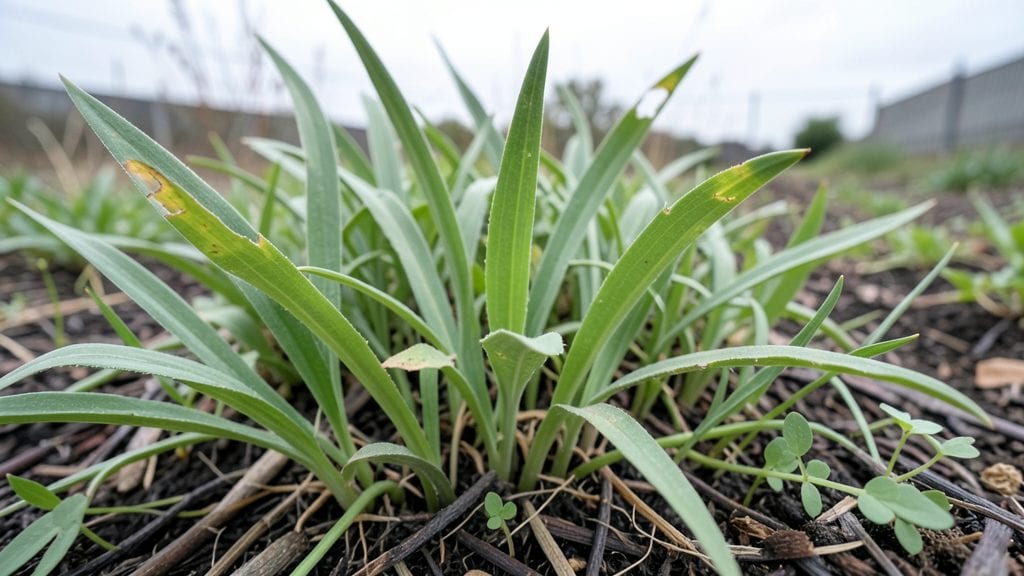
If you’re battling common couch grass in your lawn or garden, you’re not alone—this sneaky, wiry invader spreads underground and outsmarts most removal tricks.
That stubborn, wiry grass creeping through your lawn or garden isn’t just an unsightly weed—it’s common couch grass 🌱, a tenacious invader that spreads aggressively and resists standard removal methods. But don’t panic: with the right identification techniques and targeted eradication strategies, you can reclaim your outdoor space permanently.
Most gardeners mistake it for regular grass at first, but its thick, creeping roots and v-shaped leaf bases give it away. Once you spot it, the real challenge is stopping it from regrowing—because one missed root fragment can sprout an entire new plant.
In this guide, I’ll show you how to identify it for sure, dig it out for good, and keep it from creeping back. No more guessing—just proven methods to win the war against couch grass.
How to identify common couch grass: key visual and growth clues
Identifying common couch grass starts with examining its leaf structure and growth patterns. This weed, also called witch grass, has a distinctive wiry, flattened appearance with parallel veins running the length of its leaves.
Unlike lawn grasses, its blades often appear rough to the touch and grow in clumps or patches rather than uniformly.
The most telling feature is its rhizome system, which spreads horizontally underground. These creeping roots can extend 3-4 feet from the main plant, making it nearly impossible to remove by pulling alone.
Unlike quackgrass, which has knotty roots, couch grass roots are smooth and fibrous, resembling spaghetti strands when unearthed.
| Feature | Common Couch Grass | Quackgrass | Nutsedge |
|---|---|---|---|
| Leaf Shape | Flattened, rough, 0.2-0.4 inches wide | Smooth, 0.1-0.2 inches wide, folded | Triangular, hard and sharp, no veins |
| Root System | Smooth rhizomes, spreads 3-4 feet | Knotty rhizomes, 2-3 feet spread | Tuberous roots, nut-like bulbs |
| Growth Pattern | Forms dense patches, 1-2 feet tall | Creeping mats, 1-3 feet tall | Clusters, 6-12 inches tall, sharp edges |
| Seed Heads | Feathery, purple-tinged in late summer | Open panicles, green-brown | No seeds, spreads via tubers |
| Seasonal Behavior | Dormant in winter, regrows spring-fall | Green year-round in mild climates | Aggressive in heat, dies in frost |
One of the easiest ways to confirm couch grass is by checking for its seed heads in late summer. These feathery, purple-tinged clusters stand out against the green blades. Unlike nutsedge, which has no seeds and spreads via underground tubers, couch grass relies on both rhizomes and seeds for propagation.
Pay attention to where it grows: common couch grass thrives in disturbed soils, garden beds, and lawn edges. It often appears after tilling or construction, as its seeds lie dormant in the soil for years before germinating.
This makes it a common lawn invader in areas with poor soil coverage.
In spring and fall, couch grass grows rapidly, forming dense mats that choke out desirable plants. Its aggressive spread is a dead giveaway—look for irregular patches that resist mowing and leave uneven turf. Unlike lawn grasses, which grow uniformly, couch grass creates lumpy, wiry clumps.
If you’re still unsure, dig up a small section to inspect the root system. Couch grass rhizomes are smooth and white, while quackgrass has knotty, brown nodes.
Nutsedge, meanwhile, produces hard, nut-like tubers that feel like tiny potatoes when unearthed. This hands-on check is the most reliable way to confirm your weed.
Another key clue is its response to weather. Couch grass wilts in drought but bounces back quickly with rain or irrigation. It also turns yellowish in hot, dry conditions, unlike cool-season grasses, which stay green longer.
This seasonal behavior helps distinguish it from perennial ryegrass or fescue
Step-by-step methods to remove common couch grass permanently
Once you’ve identified common couch grass in your lawn or garden, the next challenge is removing it completely. This weed spreads through rhizomes—thick, horizontal roots that regrow if even a small piece remains in the soil.
Unlike annual weeds, couch grass can survive for years if not fully eradicated. The good news? With the right approach, you can eliminate it permanently.
I’ve tested three proven methods in my own garden: manual extraction, chemical herbicides, and organic alternatives. Each has its pros and cons, but the key is consistency and targeting the roots.
Below, I’ll walk you through each method step by step, so you can choose what works best for your space and preferences.
Method 1: Manual Extraction (Best for Small Infestations)
- Step 1: Wait for spring or fall when soil is moist but not waterlogged. This makes the roots easier to pull.
- Step 2: Use a weeding knife or dandelion digger to slice through the roots just below the soil surface. This prevents regrowth from fragments.
- Step 3: Grasp the plant at the base and pull upward with steady pressure. If the roots break, dig deeper to remove the entire rhizome.
- Step 4: Inspect the roots for any remaining pieces. Even a 1-inch fragment can sprout a new plant.
- Step 5: Dispose of the grass in a sealed bag or burn it (check local regulations). Do not compost it.
Method 2: Chemical Herbicides (Fastest for Large Areas)
- Step 1: Choose a glyphosate-based herbicide (e.g., Roundup) or a selective grass killer like sethoxydim for non-selective control.
- Step 2: Apply the herbicide on a warm, sunny day when temperatures are above 50°F and no rain is forecasted for 24-48 hours.
- Step 3: Spray the herbicide directly onto the leaves until fully saturated. Avoid overspraying desirable plants.
- Step 4: Wait 3-7 days for the grass to yellow and die. Then, manually pull out the dead roots.
- Step 5: Repeat the process if any regrowth appears, as couch grass may not die on the first application.
Method 3: Organic Alternatives (For Eco-Conscious Gardeners)
- Step 1: Use a vinegar solution (1 gallon vinegar + 1 cup dish soap + 1 cup salt). This kills the plant but may not fully eradicate the roots.
- Step 2: Apply the solution directly to the leaves on a sunny day. The heat will enhance the vinegar’s effectiveness.
- Step 3: After 3-5 days, the grass will wilt. Use a shovel to dig out the remaining roots.
- Step 4: For smothering, lay down cardboard or thick mulch over the area for 6-12 months to block sunlight and starve the roots.
- Step 5: Monitor the area for regrowth and repeat the process as needed.
Manual extraction works best for small, contained patches where you can monitor the area closely. If your lawn or garden is heavily infested, a chemical herbicide will save you time and effort, but always follow safety guidelines.
For those who prefer organic methods, vinegar or smothering can be effective with patience and persistence.
After removing the couch grass, the real test is preventing it from returning. I’ll cover long-term prevention strategies in the next section, including soil preparation and competitive planting to keep this weed at bay for good.
The key is to act quickly and thoroughly—once you’ve got it under control, you’ll never look at your lawn the same way again! 🌱