
Mower
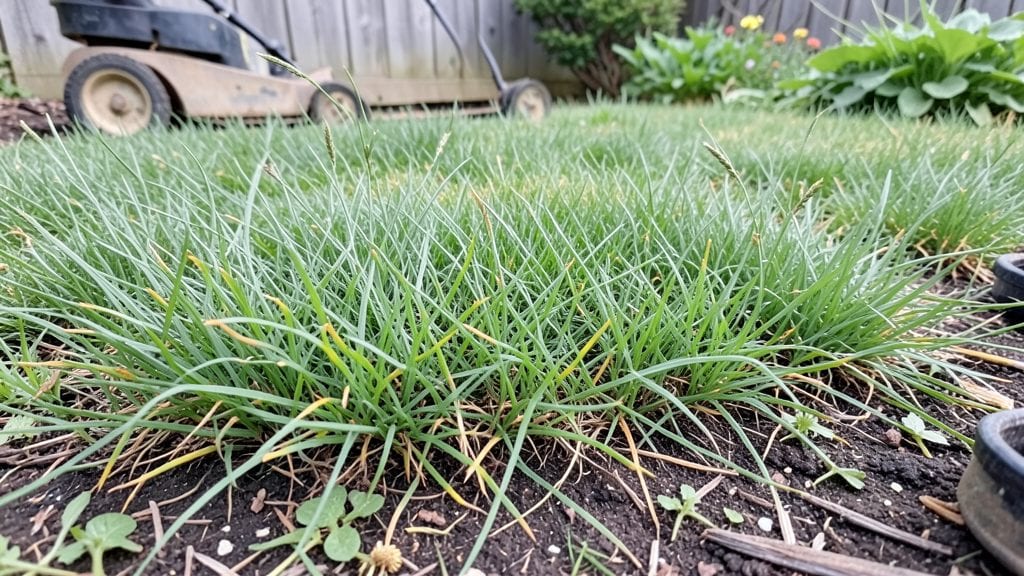
Mowing grass too short stresses the lawn by exposing roots to heat and drought, while proper seasonal heights prevent weed growth and maintain turf health. Cool-season grasses need 2.5–4 inches depending on the season, while warm-season varieties like Bermuda thrive at 1.5–2.5 inches year-round.
Cutting grass too short disrupts its natural defense mechanisms, making lawns more vulnerable to pests, diseases, and drought.
The right height depends on your grass type and climate—taller blades in summer provide shade for roots, while slightly shorter cuts in fall help harden the grass before winter. 🌱 I've seen firsthand how leaving clippings (a practice called grasscycling) returns vital nutrients to the soil, reducing the need for chemical fertilizers.
For cool-season grasses like Kentucky bluegrass, never go below 2 inches—this rule prevents scalping, which can kill the grass. Warm-season grasses like Zoysia can handle shorter cuts but still need at least 1.5 inches to recover.
Always use a sharp mower blade to avoid tearing grass, which opens wounds for pathogens.
💡 In This Article
- Seasonal Grass Height Science: Why Cutting Lengths Change
- Grass Type Mowing Guides: Best Short-Cut Heights by Variety
Seasonal grass height science: why cutting lengths change
Grass growth follows natural cycles of dormancy and active growth, which directly impact how much you should cut. In spring, cool-season grasses like fescue and bluegrass emerge from dormancy with shallow root systems (1-2 inches deep) that need protection from cold snaps.
Cutting at 2.5-3.5 inches provides insulation while allowing sunlight to reach lower leaves for photosynthesis. The key factor is root depth—shorter cuts expose these fragile roots to temperature swings, which can stunt growth or even kill the grass.
Summer brings intense heat and drought stress, which is why most grasses need 3-4 inches of blade length. Taller grass creates a cooling microclimate by shading soil and reducing evaporation rates by up to 25%.
The extra foliage also blocks sunlight from reaching weed seeds, which need light to germinate. Warm-season grasses like Bermuda adapt differently—they develop deeper roots (4-6 inches) and can handle 1.5-2.5 inches cuts because their thick stolons store moisture efficiently.
What most people don't realize is that frequent short cuts during drought force grass to expend energy regrowing blades instead of strengthening roots.
Fall's shorter days trigger grass to harden off for winter. Cutting to 2-3 inches helps the plant redirect energy to root carbohydrates, which act like natural antifreeze.
The blade length also affects disease resistance—taller grass in summer provides shade that reduces fungal spores, while slightly shorter fall cuts improve air circulation to prevent snow mold. This seasonal adjustment works because grass growth slows as temperatures drop, and the plant prioritizes survival over rapid top growth. 🌿
Winter dormancy changes the equation entirely. Most grasses go dormant when soil temps drop below 50°F, and cutting becomes less critical since growth halts. However, leaving grass 2-3 inches tall provides insulation against freezing-thaw cycles that can heave roots.
The exception is warm-season grasses like centipede, which brown naturally in winter and can be cut shorter (1-1.5 inches) to reduce snow damage. The science here involves photoperiodism—grass responds to daylight hours, not just temperature, to trigger dormancy.
Consider these key physiological responses when adjusting mowing heights:
- Spring recovery: Shorter cuts (2.5 inches) risk exposing crowns to frost, while taller cuts (3.5 inches) promote faster regrowth after winter stress
- Summer drought: Taller blades (4 inches) reduce soil moisture loss by 30% compared to 2-inch cuts
- Fall hardening: Gradual height reduction (0.25 inches/week) prevents shock that could weaken roots before winter
The most critical time is transition periods—spring green-up and fall hardening. During these phases, grass is most vulnerable to stress from improper mowing. For example, cutting too short in early spring can delay green-up by 2-3 weeks because the plant diverts energy to regrow blades instead of establishing roots.
The same principle applies in fall: abrupt short cuts can prevent proper carbohydrate storage in roots, leading to winterkill. 💫