
Planting
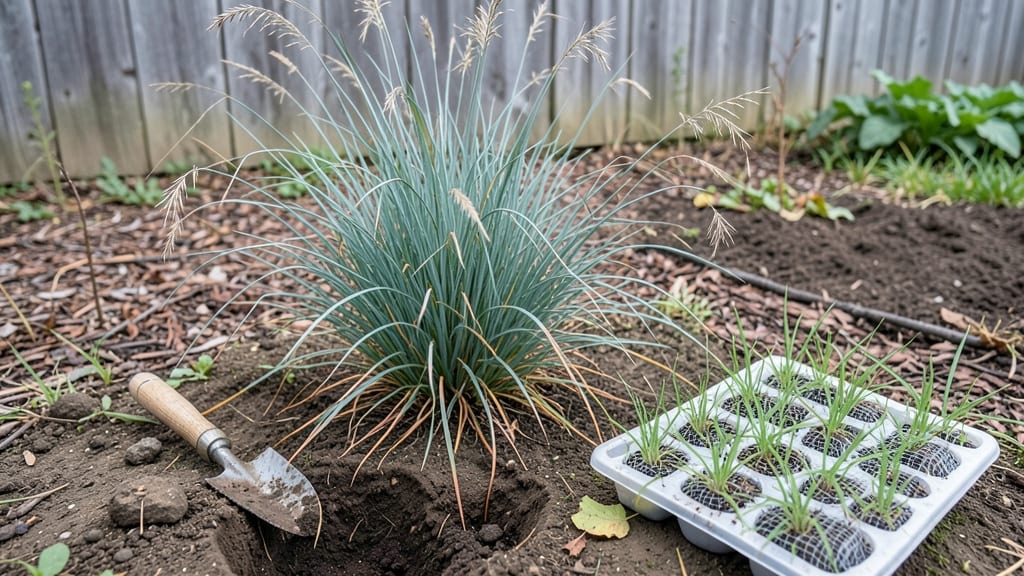
Planting prairie grass transforms bare spots into lush, low-maintenance meadows that thrive where lawns fail. 🌿 I’ve watched my own patch go from dusty soil to a vibrant, drought-tolerant carpet that stays green even when summer dries up other plants.
The key isn’t just throwing seed—it’s choosing the right mix for your climate and giving it the perfect start.
You’ll need a sunny site (at least 6 hours of light daily), well-draining soil, and either seed or sod—though seeding gives you more variety for native ecosystems. For best results, prep the ground in early spring or fall, removing weeds and loosening the top 4-6 inches.
Prairie grass mixes often include wildflowers, so you’ll end up with pollinator-friendly blooms too.
Once planted, water deeply 2-3 times a week for the first month to help roots establish. After that, you’ll water less—prairie grass is built for resilience. Within a season, you’ll have a dense ground cover that outcompetes weeds and requires mowing just once or twice a year.
The best part? It stays green through winter, offering year-round texture.
Native varieties support local wildlife, while non-native blends might need less fuss. Either way, this is a project that pays off in beauty and ease. Ready to skip the lawn and embrace the meadow? Let’s get started.
📚 In This Guide
- What you need
- Instructions
- Tips and common mistakes
- Wrapping up and next steps
What you need
- ● Prairie grass seeds: Choose native varieties like Schizachyrium scoparium (little bluestem) or Andropogon gerardii (big bluestem). Aim for 1–2 lbs per 100 sq ft for optimal coverage.
- ● Topsoil or compost: 2–3 inches to improve drainage and fertility. A mix of 60% topsoil and 40% compost works well.
- ○ Mulch (optional but recommended): 1–2 inches of straw or wood chips to retain moisture and suppress weeds.
- ● Garden rake: For leveling soil and breaking up clumps.
- ○ Garden hoe or spade: To loosen soil and create seed furrows (optional but helpful for larger areas).
- ○ Broadcast spreader (optional): For even seed distribution over big patches.
- ● Watering can or hose with a gentle spray nozzle: Critical for keeping seeds moist until germination.
- ● Gloves and knee pads: Because comfort matters! 😉
- ● Sunlight: Full sun (6+ hours daily) is ideal—prairie grass thrives in open, sunny spots!
- ● Well-draining soil: Avoid heavy clay or waterlogged areas. Amend soil if needed.
- ● Patience: Germination takes 10–21 days, and full establishment can take a season.
- ○ Weed barrier (optional): Lay down landscape fabric if your area is prone to weeds.
How to plant prairie grass for low-maintenance landscaping
Here's the straightforward method I've used to transform bare patches into lush, drought-resistant green spaces.
🌱 Step 1: Prepare the Site for Optimal Growth
Clear the area of weeds, rocks, and debris—prairie grass thrives when it's the star of the show. I like to mow the existing vegetation down to 2 inches first, then rake away any remaining thatch. This ensures your new grass gets a clean start without competing with old growth.
Test your soil's pH—prairie grass prefers slightly acidic to neutral conditions (6.0-7.0). If your soil tests higher, mix in 2 pounds of sulfur per 100 square feet and till it in. The goal is loose, well-aerated soil that lets roots spread easily. Compacted soil will make your grass struggle from day one.
🌿 Step 2: Choose and Spread the Right Seed Mix
Select a native prairie grass mix suited to your climate zone—look for blends containing big bluestem, switchgrass, or little bluestem for that classic tallgrass look. I spread the seed evenly by hand, aiming for ½ pound of seed per 100 square feet. This might seem light, but prairie grass seeds are tiny and need room to establish.
Here's the trick: use a broadcast spreader or simply walk in a grid pattern while scattering the seed. Lightly rake the area with a stiff-bristled rake to press seeds into the top ¼ inch of soil—just enough to cover them, but not bury them deeply. You'll see tiny green shoots emerge within 7-14 days if moisture and temperature are right.
☀️ Step 3: Water and Maintain Through Establishment
Keep the soil consistently moist but never soggy for the first 4-6 weeks. Water deeply 2-3 times per week until you see 3-4 inches of new growth. Prairie grass is drought-tolerant once established, but young plants need steady moisture to develop strong root systems. You'll know you're doing it right when the seedlings reach 6 inches tall—that's when they've put down deep roots.
After the initial establishment phase, reduce watering to once every 2 weeks unless your area experiences extreme drought. Mow the grass to 8-12 inches tall in late summer or early fall to encourage bushier growth. Never cut it shorter than 6 inches—prairie grass stores nutrients in its lower stems, and short cuts weaken the plant.
✂️ Step 4: Enjoy Year-Round Beauty With Minimal Upkeep
Once established, prairie grass requires almost no maintenance. I recommend leaving the seed heads over winter—they provide winter interest and food for birds. In early spring, cut back any dead growth to 4-6 inches to encourage fresh new shoots. The grass will green up quickly once temperatures rise.
Fertilizer is rarely needed—prairie grass is adapted to lean soils. If you notice slow growth after 2-3 years, apply ½ pound of 5-10-10 fertilizer per 100 square feet in early spring. Watch for that vibrant green flush within 3-4 weeks—that's your signal the grass is thriving.
Tips & tricks for perfect prairie grass planting
Transforming bare patches into thriving prairie grass doesn't have to be a guessing game—these game-changing tips will help you achieve that lush, drought-resistant beauty with confidence.
Soil Prep Secret: Don't just clear the area—break up any compacted soil in Step 1 with a garden fork or aerator. Prairie grass roots need to penetrate easily, and compacted soil will make your new grass fight for survival. I like to work in a little compost when amending the soil too—it gives those tiny seeds a nutrient boost right from the start.
Seed Selection Strategy: In Step 2, if you're planting in a sunny area, prioritize blends with big bluestem—it's the showstopper of prairie grasses, growing 4-6 feet tall with stunning seed heads. For shadier spots, look for mixes with little bluestem or switchgrass, which handle lower light better. Remember, those ½ pound per 100 square feet might seem light, but trust the process—prairie grass spreads naturally once established.
Watering Wisdom: During the critical 4-6 week establishment phase in Step 3, water in the early morning to prevent fungal issues from evening moisture. I set a timer for my irrigation system to deliver ½ inch of water per session—that's about 15 minutes with most sprinklers. The key is consistency: better to water deeply 2-3 times a week than lightly every day. You'll know you're doing it right when you see those first 6-inch seedlings—that's when their roots start going deep!
Long-Term Maintenance Hack: Once your prairie grass is established (after that first year), you can actually reduce mowing to just once a year in late winter. Cut back to 4-6 inches in early spring to encourage fresh growth. The seed heads provide winter interest and food for birds, so don't be tempted to cut them all off—let nature do its thing! This minimal approach is what makes prairie grass so low-maintenance.
Pro Tips for Planting Prairie Grass
- Transforming bare patches into thriving prairie grass doesn't have to be a guessing game—these game-changing tips will help you achieve that lush, drought-resistant beauty with confidence.
- Soil Prep Secret: Don't just clear the area—break up any compacted soil in Step 1 with a garden fork or aerator.
- Seed Selection Strategy: In Step 2, if you're planting in a sunny area, prioritize blends with big bluestem—it's the showstopper of prairie grasses, growing 4-6 feet tall with stunning seed heads.
Frequently asked questions
Got questions about transforming your yard into a lush, low-maintenance prairie? Here are some of the most common ones—and their answers—to help you get started with confidence!
When is the best time to plant prairie grass?
The ideal window is early spring (March–April) or late summer (August–September). Spring planting gives seeds time to establish roots before summer heat, while fall planting avoids drought stress. Avoid planting in extreme heat or cold—prairie grass needs stable soil temperatures (50–75°F) to germinate.
How much water does prairie grass need after planting?
Keep soil consistently moist (not soggy) for the first 4–6 weeks—water lightly daily if rainfall is scarce. Once established (after 6–8 weeks), prairie grass thrives on 1 inch of water per week, including rainfall. Drought-tolerant varieties like Big Bluestem or Switchgrass need even less once mature!
Do I need to mow or fertilize prairie grass?
One of its biggest perks? No mowing or fertilizing! Prairie grass grows in clumps, leaving room for wildflowers and pollinators. Cut back dead growth in early spring (if desired) to encourage new growth. Skip fertilizers—prairie grass is adapted to nutrient-poor soils and will thrive without them.
Can I plant prairie grass in shady areas?
Most prairie grasses prefer full sun (6+ hours daily), but a few shade-tolerant options like Little Bluestem or Sideoats Grama can handle partial shade (3–6 hours of sun). For deep shade (<3 hours), mix prairie grass with shade-loving perennials like foxtail lilies or ferns for a balanced look.
What should I do if my prairie grass isn’t growing?
Check these first:
- Soil prep: Prairie grass needs well-draining soil. Amend heavy clay with compost or sand.
- Seed depth: Plant seeds ¼ inch deep—deeper planting can suffocate them.
- Competition: Remove weeds or invasive grasses before planting.
- Patience: Germination takes 2–4 weeks. Thin seedlings to 6–12 inches apart once they’re 3–4 inches tall.
Wrapping up and next steps
Planting prairie grass is a game-changer for creating a lush, low-maintenance landscape that thrives year-round with minimal effort. Whether you're restoring native ecosystems or simply craving a vibrant, drought-resistant yard, this resilient grass delivers beauty and sustainability—without the fuss. 🌱
Ready to transform your outdoor space? Start small—pick a sunny patch, gather your supplies, and dive in! Soon, you’ll be enjoying a self-sustaining oasis that’s as kind to the planet as it is to your schedule. Your green thumb (or lack thereof) won’t hold you back!
💡 Next step: Sketch a simple layout, mark your planting zones, and revisit the materials list to ensure you’re fully prepped. Happy planting!