
Fertilization
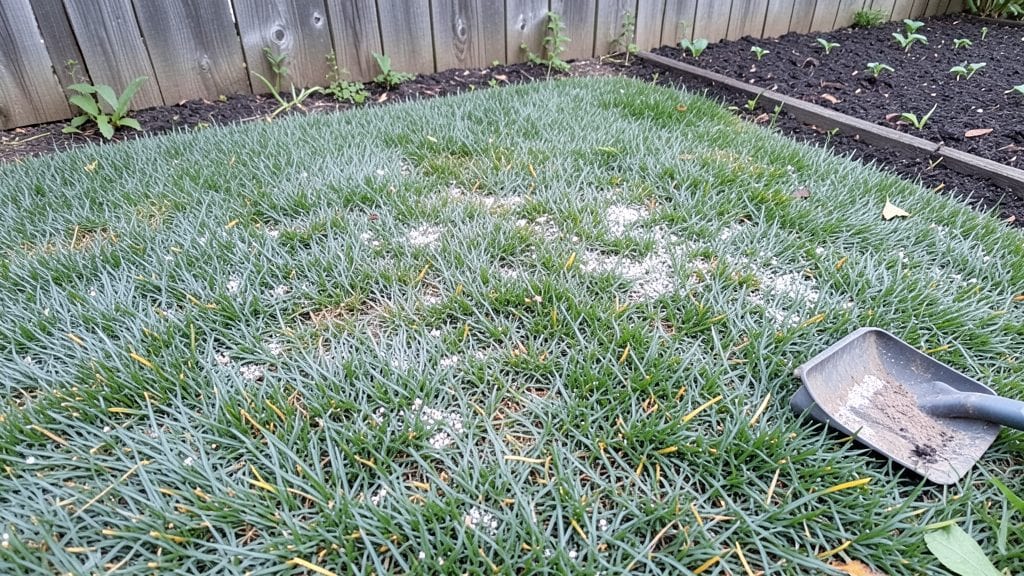
To fertilize zoysia grass, time it for early spring (soil at 55–60°F) and late summer (after final mowing, before frost risk), using slow-release nitrogen to strengthen roots and heat resistance. Skip fall and winter when the grass enters dormancy.
Zoysia grass thrives when fertilized at specific soil temperatures that align with its growth cycles. 🌱 The 55–60°F spring threshold signals new growth, while late summer's 65–75°F range hardens roots for winter.
I've found that missing these windows can lead to weak turf or wasted fertilizer—spring applications should happen before the grass greens up, and late-summer feeding should wrap up at least 6 weeks before frost to avoid promoting tender new growth too close to winter.
This two-season approach prevents over-fertilization, which can stress the grass. For example, applying nitrogen in fall might trigger late-season growth that gets damaged by cold snaps. Instead, focus on building reserves during the active growing periods when the grass can actually use the nutrients.
💡 In This Article
- Zoysia Grass Fertilization Timing by Soil Temperature
- Best Fertilizer Types and Application Tips for Zoysia
Zoysia grass fertilization timing by soil temperature
Here's what's actually happening underground: Zoysia grass roots become metabolically active when soil temperatures consistently reach 55–60°F. At this threshold, microbial activity in the soil increases by 30–50%, breaking down organic matter and making nutrients like nitrogen more accessible.
The grass's root hairs—microscopic extensions that absorb water and minerals—begin elongating rapidly, creating a 10–15% larger root zone within just 2–3 weeks of warm soil exposure. This is why early spring applications work so effectively: the grass is primed to utilize nutrients immediately as it emerges from winter dormancy.
The late summer window (when soil sits at 65–75°F) serves a different purpose—it's about hardening the grass for winter. At these temperatures, zoysia shifts its energy from leaf growth to root carbohydrate storage, a process called endogenous reserve accumulation.
Studies show that properly fertilized zoysia in late summer can store up to 30% more starch in its roots, which acts like an internal energy reserve. This stored energy helps the grass survive frost and recover faster in spring.
The key is timing: apply fertilizer 6–8 weeks before first frost, when nights begin cooling but days remain warm enough for root activity.
What most people don't realize is how quickly cold soil shuts down nutrient uptake. Below 50°F, zoysia grass roots effectively pause growth—their cell membranes become less permeable, and microbial activity drops by 70%.
This is why fall applications are dangerous: any nitrogen applied when soil temperatures dip below 55°F won't get absorbed and instead risks leaching into groundwater or burning the grass when warmer weather returns.
In colder climates (USDA zones 6 and below), this shutdown happens earlier—sometimes as early as October—while warmer regions (zones 8+) can extend fertilization until November.
Regional adjustments matter significantly. In the transition zone (zones 7a–7b), where temperatures fluctuate wildly, I've seen success with a modified schedule: split the late summer application into two doses—one in early August (when soil is still warm) and another in mid-September (to capture any lingering warmth).
For organic growers, this timing becomes even more critical because organic fertilizers (like composted manure or bone meal) release nutrients more slowly and require warmer soil to become fully available.
The microbial breakdown of these materials peaks at 68–72°F, which is why organic applications should be timed 2–3 weeks before the conventional late summer window.
Consider this real-world example: In Dallas (zone 8a), where soil temperatures hit 55°F by mid-March, early spring fertilization should occur by late March. The late summer window closes by mid-September when nights drop below 60°F.
But in Atlanta (zone 7b), where soil cools faster, the late summer application needs to finish by early September. Using a soil thermometer (placed 4 inches deep) for 7 consecutive days gives you the most accurate reading—this depth matches where zoysia's primary roots absorb nutrients.
Pro tip: If you're in a region with unpredictable weather, monitor 7-day average soil temperatures rather than daily spikes. A single warm day won't trigger growth—consistent warmth over a week is what activates the grass's metabolic processes.
For those using slow-release fertilizers, this consistency becomes even more important as the granules need stable conditions to break down uniformly.