
Pruning
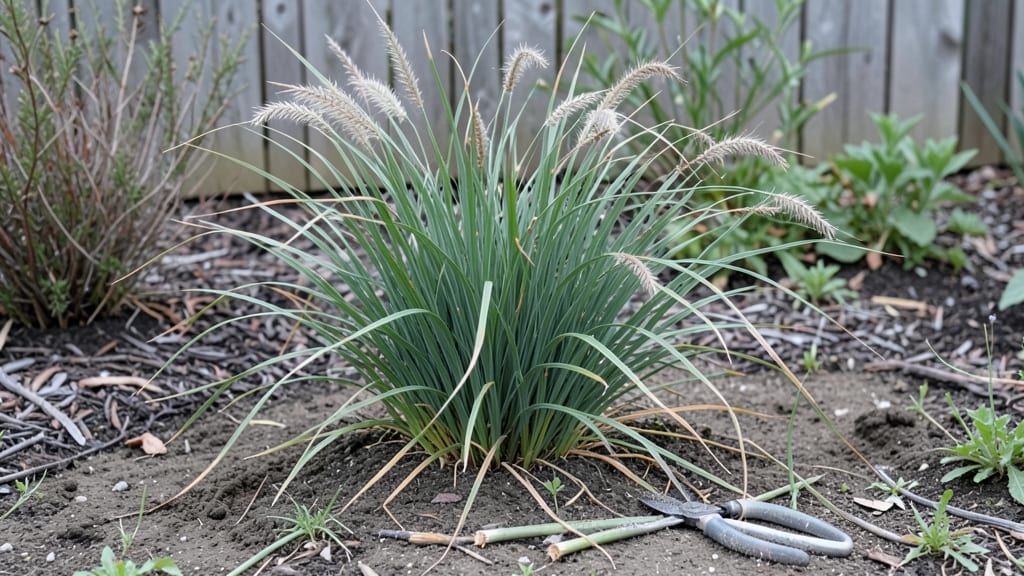
Proper ornamental grasses care and pruning can transform them from messy clumps into year-round showstoppers—just don’t skip it, or you’ll end up with bare patches until you master the timing. ✨ The secret isn’t just cutting back, but understanding when and how to shape them for that effortless, wind-swept look.
You’ll need sharp pruners or shears, gloves, and a clear day to work. Most grasses only need a single cut in late winter or early spring, but some varieties benefit from light tidying in fall.
The key is removing only what’s dead or damaged—never more than ⅓ of the plant at once. Over-cutting stunts new growth, and that’s a mistake I’ve made more times than I’d like to admit.
After pruning, you’ll see fresh green shoots emerge within weeks, and the plant will fill out with lush, arching foliage. The airy texture catches light differently, making your garden feel more dynamic. Plus, healthy grasses resist pests and diseases better—no more brown patches ruining your landscape’s clean lines.
This works for upright varieties like fountain grass or low-growing types like blue fescue. Whether you’re dealing with a single clump or a whole border, the same principles apply. Ready to transform those straggly stalks into garden stars?
📚 In This Guide
- What you need
- Instructions
- Tips and common mistakes
- Wrapping up and next steps
What you need
- ● Pruning shears or hedge clippers: Sharp, high-quality tools (e.g., Fiskars 8-inch bypass pruners) for clean cuts. Quantity: 1 pair.
- ● Heavy-duty gloves: Protect your hands from sharp blades and thorns (e.g., Wright & McGill or Craftsman). Quantity: 1 pair.
- ● Loppers: For thicker stems (1–2 inches in diameter). Quantity: 1 pair.
- ● Garden rake or leaf blower: Clears debris after pruning. Quantity: 1.
- ○ Garden twine or burlap: Optional, for tying back large clumps if needed.
- ● Disinfectant (70% isopropyl alcohol or bleach solution): Sterilizes tools between cuts to prevent disease. Quantity: Small bottle.
- ○ Sharpie or marker: Labels for marking pruning zones (optional but helpful!).
- ● Know your grass type: Deciduous (e.g., Miscanthus, switchgrass) vs. evergreen (e.g., Liriope, Carex)—pruning needs vary!
- ● Check the weather: Prune on a dry, calm day to avoid spreading disease or damaging foliage.
- ● Gather safety gear: Sunglasses (for windy debris) and closed-toe shoes.
How to prune and maintain ornamental grasses for year-round beauty
Here’s my go-to system for keeping ornamental grasses lush, healthy, and stunning through all four seasons.
✂️ Step 1: Prune in Late Winter Before New Growth Begins
Timing is everything with ornamental grasses. I wait until late winter or early spring, just as the first signs of new growth appear—usually 2-3 weeks before your last frost date. This ensures you’re cutting back the old foliage but not removing the fresh growth that’s about to emerge.
Grab your pruners or shears and cut the grass back to 3-6 inches above the ground, depending on the variety. Some grasses, like miscanthus, can handle a shorter cut, while others, like fountain grasses, prefer a taller base. The goal is to leave enough growth to protect the crown from cold snaps while allowing room for new shoots.
Here’s the thing—don’t skip this step. Old, dead foliage can harbor pests and diseases, and cutting it back encourages fresh, vibrant growth. If you’re unsure whether the grass is truly dead, gently tug on a stalk. If it resists, it’s still alive and should stay put for now.
🌿 Step 2: Thin Out Crowded Clumps Mid-Spring for Airflow
Once your grasses have 4-6 inches of new growth in late spring, it’s time to assess their health. Look for clumps that have become too dense or show signs of yellowing at the center. This is a sign the grass needs thinning to improve airflow and prevent fungal issues.
Using sharp pruners, carefully divide the clump into smaller sections. I like to dig around the outer edges of the grass with a trowel, loosening the roots before pulling the sections apart. Replant the healthiest divisions into fresh spots in your garden or share them with fellow gardeners. The remaining clump will thank you with stronger, more vigorous growth.
Real talk: If you’re dealing with a particularly large or established clump, don’t try to divide it all at once. Focus on one section at a time to avoid shocking the plant. Water deeply after thinning to help the roots recover and establish in their new positions.
☀️ Step 3: Deadhead and Shape in Early Summer for Fullness
By early summer, your ornamental grasses should be in full swing, with plump seed heads and lush foliage. This is the time to give them a little shape and remove any spent seed heads that aren’t contributing to the plant’s aesthetic. Use your pruners to trim back any leggy or overgrown stems to encourage a bushier habit.
I find that a light touch works best here. Instead of cutting everything back uniformly, I focus on creating a natural, flowing shape. For grasses with upright growth habits, like little bluestem, I might trim the outer edges to encourage a more rounded form. For grasses with arching stems, like switchgrass, I let them be but remove any stems that are flopping over or looking tired.
Watch for any signs of stress, like brown or yellow patches. If you spot these, it could be a sign of overwatering, underwatering, or even a pest issue. Adjust your watering schedule and keep an eye on the grass over the next few weeks to see if it perks up.
💧 Step 4: Light Maintenance Through Fall and Winter
As the seasons change, ornamental grasses need less hands-on care but still benefit from a little attention. In fall, after the grasses have turned golden or rust-colored, you can leave them standing for winter interest. However, if they look particularly ragged, you can cut them back to 6-12 inches to tidy things up.
In winter, resist the urge to prune unless the grasses are completely dormant and the ground is frozen. Instead, let them stand as natural sculptures in your garden. If you live in an area with heavy snowfall, you might want to tie the grasses together or use stakes to prevent them from bending or breaking under the weight.
This is also the time to mulch around the base of your grasses with 2-3 inches of mulch to protect the crown from freezing temperatures. I use shredded bark mulch because it breaks down slowly and adds organic matter to the soil as it decomposes.
Tips & tricks for perfect ornamental grass care
A few key tricks will keep your ornamental grasses thriving year after year—these are the secrets I’ve learned from years of gardening.
The Timing Factor: In Step 1, when you're cutting back in late winter, check for new growth by gently tugging on a stalk. If it resists, it's still alive and should stay put—this is how I avoid accidentally pruning too early. The 2-3 weeks before your last frost date is the sweet spot, but if you're unsure, wait until you see fresh green shoots emerging. This ensures you're only removing the truly dead foliage that could harbor pests.
Variety-Specific Cuts: Not all ornamental grasses are created equal! In Step 1, I cut miscanthus down to 3-4 inches for a bold look, while fountain grasses get a taller cut of 5-6 inches to maintain their elegant shape. The key is to protect the crown while allowing room for new growth. If you're unsure about your specific variety, err on the side of leaving a little more growth—you can always trim more later in summer.
Thinning Strategy: When dividing crowded clumps in Step 2, focus on the healthiest outer sections first. I like to use a sharp trowel to loosen the roots before pulling apart—this minimizes stress on the remaining plant. After replanting divisions, give them a deep watering to help establish their roots. This method has saved me from losing entire clumps when I tried to divide them all at once.
Seasonal Shape Secrets: In Step 3, when shaping in early summer, I use the "thirds rule" for upright grasses: trim the outer third of any leggy stems to encourage bushier growth. For arching varieties, I only remove stems that are completely flopping over. This light touch keeps the natural beauty while preventing stress. And remember—if you see brown patches, it's often a watering issue, not a pruning one!
Pro Tips for Ornamental Grasses Care Pruning
- A few key tricks will keep your ornamental grasses thriving year after year—these are the secrets I’ve learned from years of gardening.
- The Timing Factor: In Step 1, when you're cutting back in late winter, check for new growth by gently tugging on a stalk.
- Variety-Specific Cuts: Not all ornamental grasses are created equal!
Frequently asked questions
Got questions about keeping your ornamental grasses lush and looking their best? You’re not alone! Here are some of the most common concerns—plus straightforward answers to help you prune like a pro.
When is the best time to prune ornamental grasses?
For most varieties, late winter or early spring (just before new growth starts) is ideal. This removes dead foliage and encourages fresh, vibrant regrowth. Exception: Some grasses (like Miscanthus) can be pruned in late winter for a clean look, while others (like Pennisetum) may need summer trims to control height.
Do I need to cut ornamental grasses all the way to the ground?
Not always! Lightly trim dead or brown fronds in late winter, but avoid cutting into the live base (the green or brown crown at the soil line). For a natural look, leave some texture—just remove what’s unsightly. Pro tip: Use sharp shears or a string trimmer for clean cuts without damaging new shoots.
What if my ornamental grasses turn brown in winter—is that normal?
Yes! Most grasses go dormant in winter, turning tan or brown as a natural survival tactic. Don’t panic: If the base is still firm and green, it’s alive. Wait until spring to prune. If the entire plant feels mushy or smells bad, it may be dead—replace it or test the soil for issues like rot.
Can I prune ornamental grasses in summer?
Summer pruning is tricky but sometimes necessary. If your grasses are flopping or overgrown, trim selectively (never more than ⅓ of the plant at once) to avoid shocking it. Water thoroughly after pruning. Best for summer: Varieties like Purple fountain grass or Maiden grass handle light trims better than others.
What should I do if my ornamental grasses don’t regrow after pruning?
Check the base: If it’s soft, hollow, or smells foul, your grass may have crown rot (often from overwatering). Improve drainage, reduce watering, and avoid pruning until the plant recovers. If the base is dry but no new growth appears, it might be dormant—wait a few weeks. Persistent issues? Test soil pH or nutrients!
Wrapping up and next steps
Caring for and pruning your ornamental grasses is simpler than you think—and the rewards are worth it! 🌿 With the right timing, tools, and techniques, you’ll keep them lush, healthy, and stunning year-round.
Whether you’re a seasoned gardener or just starting out, every snip brings you closer to a thriving landscape.
Ready to take the next step? Grab your pruners, pick a sunny day, and give your grasses the TLC they deserve! 🌞 For extra confidence, revisit our pruning guide or experiment with a few clumps—you’ve got this!