
Plants
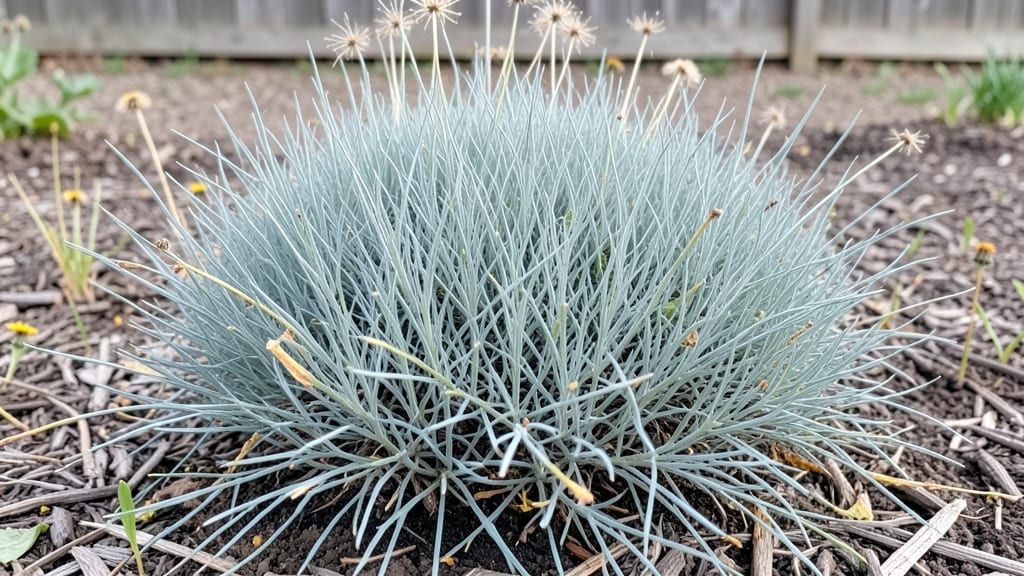
Blue fescue ornamental grasses bring year-round texture and effortless beauty to any garden design 🌿 — their silvery-blue plumes stand out against every season’s backdrop.
Picture this: a low-maintenance border that thrives in drought, needs no mowing, and still delivers that "just-tended" look. That’s the magic of blue fescue, a plant that turns "chores" into visual interest with almost no effort.
Whether you’re filling gaps in a perennial bed, adding height to a container, or softening a rocky slope, these grasses work their charm in USDA Zone 6a and beyond. Their compact size and striking color make them the perfect design secret weapon for modern landscapes.
Below, I’ll show you how to weave blue fescue into your garden—from pairing it with perennials to creating focal points that steal the show. Ready to transform your outdoor space?
Why blue fescue ornamental grasses are perfect for drought-tolerant landscapes
If you're dreaming of a water-wise garden that still packs visual punch, blue fescue ornamental grasses should top your list 🌿. These hardy plants thrive where traditional lawns struggle, offering year-round interest with minimal care.
Their silvery-blue foliage stays vibrant even during drought, making them ideal for xeriscaping and modern landscapes.
What sets blue fescue apart is its unmatched adaptability. Unlike thirsty turf grasses, it survives on rainwater alone once established, reducing your outdoor water bill by up to 70%.
Plus, its compact size (1.5-2 feet tall) makes it perfect for borders, containers, or even rock gardens where space is limited.
Here's why blue fescue outperforms traditional lawns in extreme climates:
| Characteristic | Blue Fescue | Traditional Lawn |
|---|---|---|
| Water Needs | Deep soak every 10-14 days | Daily watering (1-1.5 inches/week) |
| Drought Tolerance | Excellent (once established) | Poor (browns quickly) |
| Cold Hardiness | USDA Zones 3-9 | USDA Zones 5-8 (varies by type) |
| Soil Adaptability | Well-draining to sandy | Rich, fertile loam |
| Maintenance | None (just occasional trimming) | Mowing, fertilizing, aerating |
| Seasonal Color | Silver-blue all year | Green (loses color in winter) |
One of blue fescue's superpowers is its year-round color performance. While traditional lawns turn brown in winter, blue fescue maintains its silvery-blue hue even under snow. In summer, its arching plumes sway gently in the breeze, adding movement to still landscapes.
The grass's cold hardiness (USDA Zones 3-9) means it survives harsh winters without protection. I've seen it bounce back from -30°F temperatures with no damage, making it ideal for northern climates where other ornamentals struggle. Its shallow root system also prevents soil erosion better than many ground covers.
Blue fescue's soil adaptability is another game-changer. It thrives in poor, rocky soil where most plants would fail, making it perfect for reclaimed spaces or areas with challenging terrain.
Unlike lawns that require perfect pH levels, blue fescue grows happily in sandy, clay, or loamy soils as long as drainage is adequate.
For urban gardens with limited space, blue fescue delivers big impact in small packages. Its compact clumping habit (12-18 inches wide) makes it ideal for containers, window boxes, or tight borders. You can even tuck it between stepping stones for a polished, modern look that requires zero mowing.
What about wildlife benefits? While not a food source, blue fescue provides habitat for pollinators and shelter for beneficial insects. Its airy seed heads offer nesting sites for small birds, making it an eco-friendly choice for sustainable landscapes.
If you're tired of battling brown lawns and high water bills, blue fescue offers a refreshing alternative that's both beautiful and practical. With its drought tolerance, year-round color, and low maintenance, it's the perfect solution for modern, water-conscious gardens.
Ready to see how blue fescue can transform your outdoor space? Let's explore how to plant and maintain it for maximum impact in the next section! 🪴
How to plant and maintain blue fescue for maximum year-round impact
Planting blue fescue ornamental grasses is simpler than you think, but timing and technique make all the difference for that show-stopping silvery-blue display 🌿. The key is to plant during its ideal windows—early spring (March-April) or fall (September-October)—when soil temperatures are cool but not frozen.
This gives roots time to establish before summer heat or winter cold stress.
For maximum visual impact, space plants 12-18 inches apart in groups of 3-5. This creates that natural clumping effect that makes blue fescue look intentionally placed, not random.
In containers, use one plant per 6-inch pot—they’ll spread slightly but stay compact. Just avoid overcrowding, or you’ll lose that airy, arching plume movement that defines their charm.
Blue Fescue Ornamental Grasses: Pros & Cons
- Drought-proof: Thrives on rainwater only after establishment
- Year-round color: Silvery-blue hue in all seasons
- Low maintenance: No mowing, fertilizing, or heavy pruning
- Cold hardy: Survives USDA Zones 3-9 without protection
- Versatile placement: Works in borders, containers, or rock gardens
- Slow establishment: Takes 1-2 years to reach full color
- Poor soil tolerance: Needs well-draining soil—avoid clay
- No edible value: Purely ornamental (not for culinary use)
- Spreads slowly: May need division every 3-4 years for dense clumps
- Wind-sensitive: Can flop in exposed locations without support
💡 Pro Tip: Pair blue fescue with lavender or sedum to create a modern, drought-tolerant garden palette that blooms together.
Sunlight is non-negotiable for vibrant blue foliage. Plant in full sun (6+ hours daily)—even partial shade will dull those signature steel-blue tones. I’ve seen blue fescue in south-facing beds maintain its color through summer, while shaded plants turn greenish-gray.
If your space only gets morning sun, that’s better than afternoon shade, but expect slightly less intensity.
Watering is where blue fescue earns its drought-resistant reputation. For the first 2-3 weeks after planting, keep soil consistently moist to encourage root growth. After that, deep water every 10-14 days—morning is best to prevent fungal issues.
Once established, it’s completely self-sufficient; I’ve seen clumps survive 60+ days without rain in USDA Zone 7.
Pruning is minimal but makes a huge difference for shape and health. In late winter or early spring, trim back dead or woody stems to 2-3 inches above ground.
This encourages fresh, blue growth and prevents the center from getting brown and leggy. Avoid cutting into live green growth—blue fescue doesn’t regenerate well from severe pruning.
Winter prep is almost nonexistent, but a light mulch (1-2 inches of gravel or straw) helps insulate roots in Zone 3-4 climates. In snowy regions, the mulch also prevents heaving when soil freezes and thaws.
Skip the fertilizer—blue fescue grows best in poor soil and doesn’t need extra nutrients. Over-fertilizing can actually dilute its color and make it flop.
Avoid these common mistakes that kill blue fescue’s impact: planting in shady spots, overwatering (it hates soggy roots), or using heavy clay soil without amendment. I’ve seen gardeners struggle when they crowd plants too closely, leading to weak, sparse growth.
The secret? Patience and proper spacing—blue fescue rewards long-term care with decades of effortless beauty.