
Plants
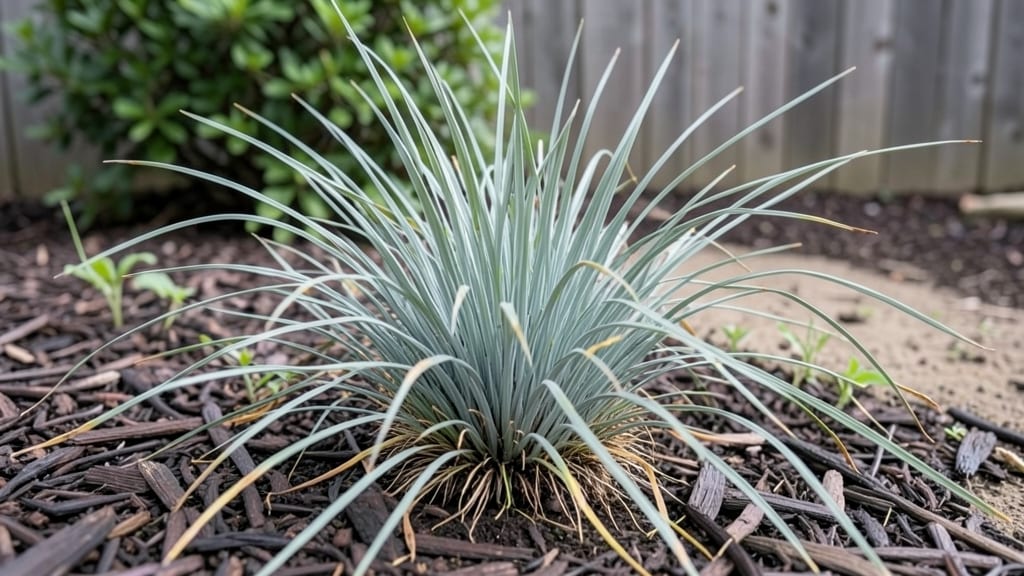
Growing bulbous oat grass 🌾 could transform your yard into a low-maintenance oasis that stays lush even when other plants wilt.
Tired of seasonal lawns that turn brown under drought or require constant upkeep? This ornamental grass delivers year-round texture with striking blue-green foliage while thriving where traditional grasses fail.
Perfect for USDA Zone 6a and beyond, bulbous oat grass needs just 6 hours of sun daily and handles dry spells better than most plants. Its clumping habit makes it ideal for borders, slopes, or even containers.
In this guide, I'll walk you through planting, care, and creative ways to use it—so you can enjoy beautiful, hassle-free greenery without the work.
Why bulbous oat grass stands out as a drought-tolerant ornamental grass
Bulbous oat grass (Helictotrichon sempervirens) isn't just another ornamental grass—it's a game-changer for modern, low-maintenance landscapes. Unlike traditional turf grasses that brown under drought or demand frequent mowing, this clumping perennial thrives with minimal care while delivering year-round texture and striking blue-green foliage. Its unique bulbs at the base store moisture, helping it survive dry spells that would stress other plants.
What truly sets it apart is its adaptability. This grass handles full sun exposure and cold winters with equal ease, making it perfect for USDA zones 4-9. Unlike invasive grasses like bamboo, it stays contained in neat clumps, reducing the risk of spreading.
Plus, its minimal pruning needs mean you'll spend less time maintaining your garden and more time enjoying it.
Here's how bulbous oat grass compares to other popular ornamental grasses in key categories:
<comparison-table>| Feature | Bulbous Oat Grass | Miscanthus | Maiden Grass | Fountain Grass |
|---|---|---|---|---|
| Growth Habit | Clumping | Clumping | Clumping | Bunching |
| Color | Blue-green | Green to gold | Green to bronze | Green to copper |
| Drought Tolerance | Excellent | Moderate | Good | Moderate |
| Cold Hardiness | Zones 4-9 | Zones 5-9 | Zones 4-9 | Zones 5-9 |
| Maintenance | Low | Low-Moderate | Low | Moderate |
| Spread Potential | None | Slow | Slow | Moderate |
| Height | 2-3 ft | 4-12 ft | 3-6 ft | 1-4 ft |
One of the most impressive features is its year-round interest. While many ornamental grasses turn brown or die back in winter, bulbous oat grass maintains its blue-green hue even under snow. This makes it an excellent choice for winter landscapes where color is often scarce.
Its arching foliage also adds movement to garden spaces, creating a dynamic visual effect that flat-leaved plants simply can't match.
The clumping habit of bulbous oat grass means it won't spread aggressively like some grasses, making it ideal for small gardens or container plantings. This containment also reduces the need for regular pruning, as you won't have to battle invasive roots or runners.
For busy gardeners, this translates to less work and more time to enjoy the results.
Unlike traditional lawn grasses that require frequent mowing and fertilization, bulbous oat grass thrives with minimal intervention. Once established, it only needs occasional trimming in late winter to remove dead foliage, and even that can be skipped if you prefer a more natural look.
This makes it perfect for eco-friendly gardens where reducing maintenance is a priority.
How to plant and maintain bulbous oat grass for maximum impact
Bulbous oat grass (Helictotrichon sempervirens) thrives with minimal fuss, making it perfect for modern, low-maintenance gardens. This drought-tolerant ornamental grass delivers year-round texture and blue-green foliage that brightens any landscape. The key to its success lies in proper planting techniques and understanding its unique care requirements.
Unlike traditional lawn grasses, bulbous oat grass forms dense clumps that spread slowly, creating a natural, wild look without invasive tendencies. It excels in USDA zones 5-9, making it adaptable to various climates.
Whether you're planting in full sun or partial shade, following these steps ensures vibrant growth and minimal upkeep.
⚠️ Avoid These Planting Pitfalls
Overcrowding plants reduces airflow, increasing fungal risks. Space them 12-18 inches apart to allow proper root development. Planting in waterlogged soil causes root rot—always ensure well-draining soil.
Start by selecting a sunny location with 6+ hours of direct sunlight daily. Bulbous oat grass tolerates partial shade but performs best in full sun, where its blue-green foliage shines brightest. Amend your soil with compost to improve drainage, especially if your garden has clay-heavy soil.
Dig holes twice as wide as the root ball but only as deep. Gently remove the plant from its container, loosen the roots, and place it in the hole. Backfill with soil, pressing lightly to eliminate air pockets. Water thoroughly to help roots establish in their new home.
After planting, maintain consistent moisture for the first 4-6 weeks to encourage root growth. Once established, reduce watering to every 7-10 days, allowing the top inch of soil to dry between waterings. This drought-tolerant grass thrives with less water once mature, making it ideal for water-wise gardens.
In late fall, apply a light fertilizer (10-10-10) to support winter hardiness. Avoid heavy feeding, as bulbous oat grass prefers nutrient-poor soil. Trim back dead foliage in early spring before new growth emerges. This seasonal pruning keeps your plants looking tidy while promoting healthy growth.
With proper care, your bulbous oat grass will reward you with year-round interest, requiring only minimal attention. Its textural contrast pairs beautifully with perennials, shrubs, and even succulents, making it a versatile addition to any garden design. 🌿