
Landscaping
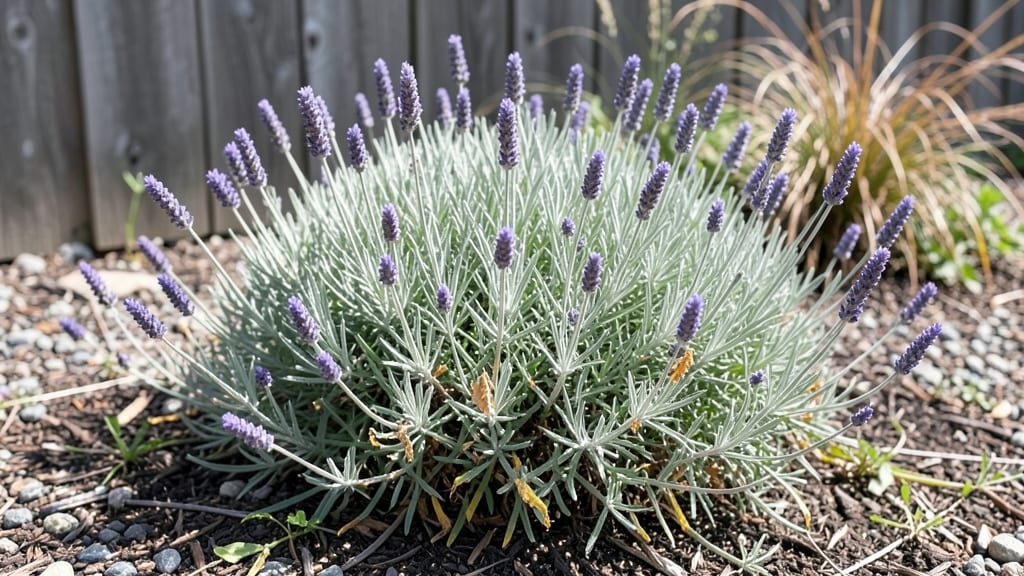
Lavender and ornamental grasses create a fragrant, drought-resistant dream team that thrives in sunbaked borders or containers. ✨ I stumbled onto this pairing after my first lavender plant wilted in summer heat—until I tucked it next to a feathery fountain grass, which kept the roots cool and the whole display alive through dry spells.
The magic lies in their shared needs: full sun, well-drained soil, and minimal fuss. Mix purple lavender with silver-blue grasses like 'Karl Foerster' or golden 'Miscanthus sinensis' for a textural contrast that pops from spring through frost. This combo attracts pollinators, repels pests, and stays stunning when other plants struggle.
You'll end up with a garden that smells like Provence in July but stays elegant in winter when grasses catch the light. The lavender's silvery foliage and grassy plumes create movement and depth, while their complementary heights (3-5 feet) make planting layouts effortless—just stagger them in odd-numbered groups.
Perfect for low-water landscapes, cottage gardens, or modern minimalist designs. The key is spacing them 18-24 inches apart to let air circulate, which prevents fungal issues and keeps both plants thriving for years. Let's design your fragrant, foolproof border!
📚 In This Guide
- What you need
- Instructions
- Tips and common mistakes
- Wrapping up and next steps
What you need
- ● Lavender: 3–5 mature lavender plants (e.g., Lavandula angustifolia or Lavandula x intermedia) – Choose compact varieties for borders or taller types (2–3 ft) for focal points.
- ○ Optional: Lavender seeds or cuttings for propagation (if starting from scratch).
- ● Ornamental Grasses: 3–6 drought-tolerant grasses (e.g., Pennisetum, Stipa tenuissima, or Carex species) – Mix heights (1–4 ft) for texture.
- ● Pro tip: Blue fescue (Festuca glauca) adds a striking contrast with its silvery-blue hue! ✨
- ● Gardening gloves (1 pair) – Protect your hands from prickly grasses and lavender stems.
- ● Hand trowel or transplant spade – For planting roots gently.
- ● Pruners (bypass or anvil) – Keep lavender neatly trimmed (avoid cutting into woody stems).
- ○ Garden fork (optional) – Helps loosen soil for root establishment.
- ● Watering can or hose with a gentle spray nozzle – Lavender hates soggy roots!
- ● Mulch (2–3 inches of gravel or organic mulch) – Retains moisture and deters weeds.
- ● Sunlight: Full sun (6+ hours/day) – Critical for lavender and grasses to thrive.
- ● Soil: Well-draining, slightly alkaline soil (pH 6.5–7.5). Amend clay soil with sand or compost.
- ● Spacing: Lavender: 18–24 inches apart (check plant tags for variety-specific needs).
- ● Grasses: 12–36 inches apart (follow package instructions).
- ○ Water Access: Drip irrigation or a soaker hose (optional but recommended for drought-prone areas).
- ● Rocks or pebbles – Enhances the Mediterranean or Zen garden aesthetic.
- ● Fragrant companion plants (e.g., rosemary, thyme, or catmint) – Boosts sensory appeal.
- ● Decorative pots (terracotta or galvanized metal) – For container gardening.
- ● Stakes or garden flags – Marks plant locations for easy maintenance.
How to design a lavender and ornamental grass garden
Here’s the simple, drought-smart layout I’ve used to create fragrant, low-maintenance borders that thrive all year.
🌱 Step 1: Select the Right Lavender and Grass Varieties
Start with dwarf lavender varieties like ‘Munstead’ or ‘Hidcote’—they stay compact and fragrant without sprawling. For grasses, pair little bluestem (for deep purple fall color) with feather reed grass (for airy texture). Both handle drought once established and complement lavender’s silvery foliage beautifully.
Skip the big lavender bushes if space is tight. ‘Lavandin’ or ‘Provence’ types grow in 18-24 inch mounds and fit neatly between grasses. I always plant 3 lavender plants per 4-foot section—enough to fill gaps but not crowd roots. Space grasses 12-18 inches apart so they sway without competing for water.
☀️ Step 2: Prepare the Soil for Drought Tolerance
Lavender and grasses hate soggy soil, so amend heavy clay with 2-3 inches of coarse sand mixed into the top 12 inches of soil. I test drainage by digging a 6-inch hole, filling it with water, and timing how long it takes to drain—no longer than 1 hour means you’re good. If it pools, add more sand or gravel.
Skip fertilizer—these plants thrive in poor, well-drained soil. A light mix of compost (just 1 gallon per 4-foot section) adds organic matter without encouraging weeds. Work it into the top 4 inches only, then rake smooth. The goal is loose, gritty soil that mimics their native Mediterranean conditions.
🪴 Step 3: Plant in Staggered Rows for Year-Round Interest
Dig holes twice as wide as the root ball but only as deep—lavender roots sit just below soil level. Place plants 18 inches apart in staggered rows: lavender in the back, grasses in front. This creates layers and prevents grasses from shading lavender stems. Water deeply right after planting to settle roots.
Here’s the trick: mulch with 1 inch of gravel, not wood chips. Gravel keeps roots cool in summer, prevents soil splash (which spreads disease), and looks intentional. Avoid organic mulch—it rots and traps moisture, which these plants despise.
💧 Step 4: Water Deeply but Infrequently
For the first 2 weeks, water every other day until soil feels damp 4 inches deep. After that, water once a week—long, deep soakings encourage roots to grow downward. You’ll know it’s enough when water runs out the drainage holes and the soil surface stays dry between waterings.
Once established (after 6-8 weeks), water only when the top 2 inches feel dry. Overwatering is the #1 killer—yellowing leaves or moldy stems mean you’re doing it wrong. Let the soil dry completely between waterings, even in summer.
✂️ Step 5: Prune for Shape and Fragrance
Cut back lavender right after flowering (usually mid-summer) to half its height. This encourages bushier growth and more blooms next year. Use clean, sharp shears and avoid cutting into old wood—you’ll know it’s too late if you see bare stems.
Grasses need no pruning until late winter. Then, cut them back to 3-4 inches tall to make room for new growth. The old stems add winter interest, so don’t rush—wait until early spring when new shoots appear at the base.
Tips & tricks for perfect lavender and grasses garden design
Creating a fragrant, drought-tolerant garden with lavender and ornamental grasses doesn't have to be complicated—here's what I've learned to make the process smoother and more successful.
Variety Selection Matters: When choosing lavender varieties, look for those labeled as "dwarf" or "compact"—they stay neatly contained and won't overwhelm your space. For the grasses, little bluestem adds stunning fall color while feather reed grass provides movement and texture. I've found that planting these two together creates a perfect balance of color and form throughout all seasons. The key is to stick with these proven pairings rather than mixing random varieties, which can lead to mismatched growth habits and maintenance challenges.
Soil Preparation Secret: The one-hour drainage test in Step 2 is absolutely critical—don't skip it! If your soil drains slower than an hour, you'll need to add more sand or even consider building raised beds. I've seen gardens fail spectacularly when planted in poorly draining soil, with lavender turning yellow and grasses developing root rot. For extra insurance, consider adding a layer of gravel at the bottom of your planting holes before adding soil—this creates a natural drainage layer right where the roots will grow.
Planting Layout Tip: The staggered row technique in Step 3 creates visual interest while serving a practical purpose. By placing lavender in the back and grasses in front, you prevent the taller grasses from shading the lavender stems, which need full sun to thrive. I like to mark my planting spots with small stakes before digging—this helps me visualize the final layout and ensures I maintain the proper 18-inch spacing between plants. This small step saves time and frustration during the actual planting process.
Watering Wisdom: The two-week watering schedule in Step 4 might seem strict, but it's essential for establishing strong root systems. I've learned the hard way that skipping this step leads to weak plants that struggle during their first summer. After the initial two weeks, resist the urge to water more frequently—these plants are designed to thrive on neglect once established. A good rule of thumb is to check soil moisture with your finger rather than relying on a schedule, especially in rainy seasons.
Pro Tips for Lavender And Grasses
- Creating a fragrant, drought-tolerant garden with lavender and ornamental grasses doesn't have to be complicated—here's what I've learned to make the process smoother and more successful.
- Variety Selection Matters: When choosing lavender varieties, look for those labeled as "dwarf" or "compact"—they stay neatly contained and won't overwhelm your space.
- Soil Preparation Secret: The one-hour drainage test in Step 2 is absolutely critical—don't skip it!
Frequently asked questions
What’s the best way to pair lavender with ornamental grasses for a cohesive look?
Combine lavender with upright grasses like Miscanthus or Panicum for height contrast, or tuck it with low-growing Carex for texture. Plant lavender in clusters (3–5 plants) surrounded by grasses in odd-numbered groupings for a natural, balanced feel. Pro tip: Choose grasses with similar drought tolerance (e.g., Stipa or Festuca) to minimize care.
How long does it take for lavender and grasses to establish and bloom?
Lavender typically blooms in 6–12 months after planting, with peak fragrance in its second year. Grasses like Miscanthus may take 1–2 years to reach full height, while Carex or Festuca establish faster (3–6 months). Patience pays off! Mulch well and water sparingly during the first year to encourage deep roots.
Can I use lavender and grasses in containers? If so, what’s the ideal setup?
Yes! Pair dwarf lavender varieties (like Lavandula angustifolia ‘Hidcote’) with compact grasses such as Carex ‘Ice Dance’ or Pennisetum ‘Little Bunny’ in 12–18-inch pots. Use well-draining soil with perlite or sand, and ensure containers have drainage holes. Watering hack: Let the soil dry completely between waterings to prevent root rot.
Will lavender and grasses attract bees or other pollinators?
Lavender is a bee magnet, especially in early summer, while grasses provide late-season nectar for beneficial insects. To boost pollinator activity, plant native grasses (like Schizachyrium scoparium) alongside lavender. Avoid pesticides, and add a small water source (like a shallow dish) nearby for extra appeal.
Are there drought-tolerant alternatives if lavender or grasses don’t thrive in my climate?
If lavender struggles, try rosemary, sage, or Russian sage for similar fragrance and drought resistance. For grasses, swap in sedum (succulents), yucca, or agave for structural interest. Climate check: Research your USDA hardiness zone—some grasses (like Purple Fountain Grass) thrive in zones 5–9, while others need warmer climates.
Wrapping up and next steps
Creating a lavender and grasses garden isn’t just about adding beauty—it’s about crafting a low-maintenance, fragrant oasis that thrives with minimal effort. From drought-resistant lavender to textured ornamental grasses, this design brings year-round charm while supporting local ecosystems.
Whether you’re a seasoned gardener or just starting, the key is to start small, experiment, and enjoy the process!
Ready to transform your space? Sketch a simple layout, gather your plants, and dive in! 🌿✨ Begin with a single lavender bush or a clump of fountain grass—your future garden will thank you.