
Plants
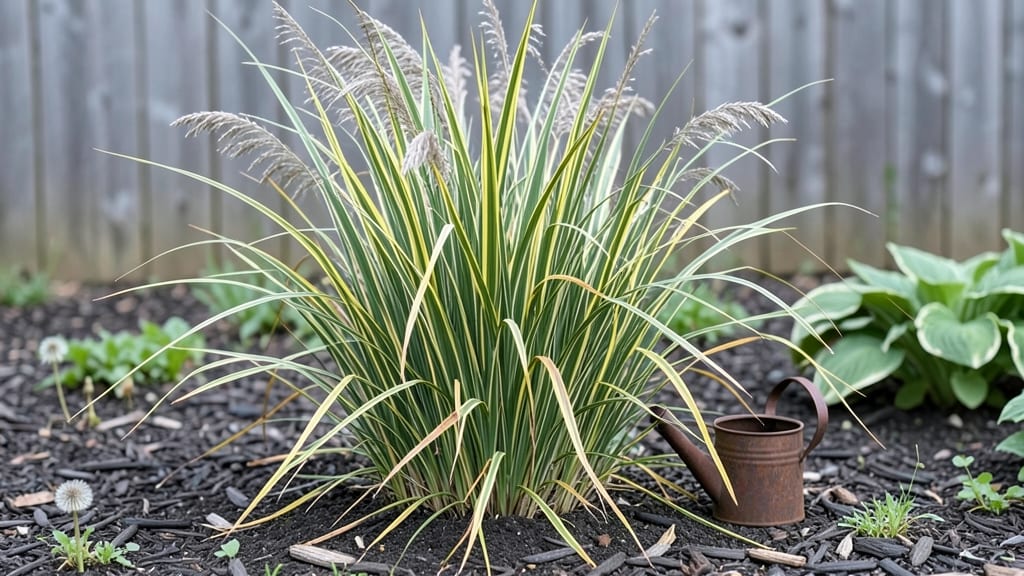
Caring for oriental grasses transforms any yard into a textured, low-maintenance masterpiece—and the best part?
They thrive with almost no effort once you get the basics right. 🌿 I’ve grown these architectural plants for years, and they’ve become my go-to for adding movement and structure without the fuss of flowers or shrubs.
These grasses love full sun to partial shade and well-draining soil, whether you’re in a hot Southern climate or a cooler Northern zone.
Water them deeply once a week (more in extreme heat), and they’ll reward you with year-round interest—from the feathery plumes of spring to the golden hues of winter. No fertilizing? No problem. They’re tough enough to handle neglect but elegant enough to anchor any garden design.
Pruning is the only real chore, and it takes five minutes in late winter—just snip back the old growth to make room for fresh shoots. They resist pests and diseases like champions, so you won’t waste time spraying or fussing.
By summer, you’ll have a lush, swaying border that moves with the breeze, adds height, and cuts down on weeding.
Perfect for borders, windbreaks, or even as striking container plants on patios. Once established, they’ll outlast annuals and outshine perennials with almost no upkeep. Let’s get yours growing strong!
📚 In This Guide
- What you need
- Instructions
- Tips and common mistakes
- Wrapping up and next steps
What you need
- ● Oriental grass plants: 3–5 mature plants (or seeds if starting from scratch). Choose varieties like Miscanthus sinensis or Pennisetum alopecuroides for year-round appeal.
- ● Well-draining soil: Mix 1 part garden soil with 1 part compost and 1 part perlite/sand (for aeration). Aim for a pH of 6.0–7.0.
- ● Mulch: 2–3 inches of organic mulch (e.g., shredded bark or straw) to retain moisture and suppress weeds.
- ● Garden trowel or shovel (for planting/seeding).
- ● Pruning shears or hedge clippers (for shaping and trimming).
- ● Garden hose or watering can (with a fine mist nozzle for gentle hydration).
- ● Gloves (to protect hands from sharp grass blades).
- ● Measuring tape (to space plants 2–4 feet apart, depending on variety).
- ● Slow-release fertilizer (e.g., 10-10-10 NPK) to boost growth in spring.
- ● Drip irrigation system for automated, deep-watering.
- ● Decorative stakes or markers to highlight your grass’s height and texture.
- ● Fungicide (only if your area is prone to rust or blight).
Step-by-Step instructions for cultivating Oriental grass
Here's the straightforward approach I've used to keep Oriental grass thriving for years.
🌱 Step 1: Select and Prepare the Perfect Planting Site
Oriental grass loves bright, indirect light but will tolerate some shade—just expect slower growth. I always choose a spot that gets at least 4-6 hours of morning sun daily. This prevents the blades from scorching while giving enough energy for vibrant growth.
Before planting, clear the area of weeds and rocks, then loosen the top 6 inches of soil with a garden fork. Oriental grass has shallow roots, so don't dig too deep. Mix in 2 inches of compost into the top layer to improve drainage and provide nutrients without overwhelming the plant.
Here's the thing—Oriental grass hates soggy roots. If your soil drains poorly, amend it with 1 part perlite or coarse sand to 3 parts soil. You'll know you've done it right when water drains through in about 10-15 minutes after watering.
🪴 Step 2: Plant at the Right Depth and Spacing
Dig holes twice as wide as the grass clump's root ball but only as deep as the container it came in. Gently remove the plant from its pot and place it in the hole, ensuring the top of the root ball sits level with the surrounding soil. Press the soil firmly around the roots to eliminate air pockets.
Space plants 12-18 inches apart for a full, lush look. If you're planting in a container, choose pots at least 12 inches wide and deep—Oriental grass spreads slowly but needs room to establish its root system. I always use pots with drainage holes to prevent root rot.
Don't skip this: Water the plant deeply right after planting to help settle the soil. You'll see the soil around the roots sink slightly—this means the roots are making good contact with the earth and will establish faster.
☀️ Step 3: Water and Feed for Year-Round Health
Water Oriental grass once a week during the first month to help it establish. After that, water every 10-14 days, letting the top 2 inches of soil dry out between waterings. Overwatering is the fastest way to kill this grass—it's tough but not waterlogged.
Feed your Oriental grass once in spring with a balanced, slow-release fertilizer (10-10-10 works well). I sprinkle the granules evenly over the soil and water them in. Avoid fertilizing in fall or winter—this grass goes semi-dormant and doesn't need extra nutrients.
Watch for yellowing leaves, which means it's time to water or fertilize. Brown tips, though, usually signal underwatering—adjust your schedule until the grass feels plump and vibrant to the touch.
✂️ Step 4: Prune and Maintain for Fullness
Trim Oriental grass once in late winter or early spring before new growth begins. Cut back one-third of the plant's height to encourage fresh, bushy growth. Use clean, sharp pruners to avoid tearing the leaves.
Throughout the growing season, remove any dead or brown leaves by hand. This keeps the plant looking tidy and prevents disease. I like to do this after watering when the leaves are pliable and easier to handle.
Real talk: Oriental grass is low-maintenance, but if you notice it getting leggy, it's a sign it needs more light. Move it to a brighter spot or trim it back to encourage denser growth.
Tips & tricks for perfect Oriental grass cultivation
These simple tricks will help you avoid common pitfalls and keep your Oriental grass thriving all year long.
Soil Drainage is Everything: In Step 1, when amending your soil with perlite or sand, focus on creating a well-draining mix. I've learned the hard way that soggy roots are Oriental grass's worst enemy. After amending, do the "10-15 minute test" - if water drains through that quickly, you're golden. If not, add more perlite until it does. This simple check prevents root rot before it starts.
Root Ball Placement Matters: During Step 2, when planting, resist the urge to bury the root ball too deep. The top should sit level with the surrounding soil - no higher, no lower. I've seen beginners bury it too deep, which suffocates the roots and leads to stunted growth. Press the soil firmly around the roots to eliminate air pockets, but don't compact it like you're building a foundation.
Watering Wisdom: The watering schedule in Step 3 is crucial, but timing matters just as much. Always water in the morning so the leaves have all day to dry, preventing fungal issues. When checking soil moisture, stick your finger 2 inches down - that's how deep you want the soil to dry between waterings. Yellowing leaves mean it's time to water, but brown tips mean you're underwatering. This simple visual check saves so much guesswork.
Pruning Precision: When you trim in Step 4, aim to cut back about one-third of the plant's height. This might seem drastic, but it encourages fresh, bushy growth. Use clean, sharp pruners and make clean cuts just above a leaf node. I've noticed that trimming after watering makes the leaves more pliable and easier to handle without tearing. This small detail makes all the difference in your grass's appearance.
Pro Tips for Oriental Grass Care
- These simple tricks will help you avoid common pitfalls and keep your Oriental grass thriving all year long.
- Soil Drainage is Everything: In Step 1, when amending your soil with perlite or sand, focus on creating a well-draining mix.
- Root Ball Placement Matters: During Step 2, when planting, resist the urge to bury the root ball too deep.
Frequently asked questions
How often should I water Oriental grass?
Water deeply once or twice a week during the growing season (spring to fall), ensuring the soil is moist but not soggy. In winter, reduce watering to every 2-3 weeks or when the top inch of soil feels dry. Overwatering is the #1 killer—let the soil dry slightly between waterings for best results.
When is the best time to trim Oriental grass?
Trim in early spring (just as new growth appears) to shape it and encourage fullness. Lightly touch up throughout the year if needed, but avoid cutting more than 1/3 of the height at once. Skip fall trims—let it retain leaves for winter protection!
Can Oriental grass survive in shade?
Yes! While it prefers partial sun (3-6 hours/day), Oriental grass thrives in dappled shade or even full shade—just expect slightly slower growth. For shady spots, choose variegated varieties (like ‘Little Kitten’) for extra visual interest and keep soil consistently moist.
How do I keep pests away from my Oriental grass?
Most pests (like spider mites or aphids) avoid Oriental grass, but scale insects can be a nuisance. Spray with neem oil or insecticidal soap if you spot sticky residue on leaves. For prevention, mulch around the base and avoid over-fertilizing—healthy grass repels pests naturally!
Does Oriental grass need winter care?
Minimal! In cold climates (Zone 5 and below), mulch the base with 2-3 inches of shredded leaves or straw to insulate roots. Avoid heavy pruning in fall—leave the foliage to protect new growth. In mild winters, no extra care is needed!
Wrapping up and next steps
Caring for oriental grass doesn’t have to be complicated—just consistent! With the right tools, a little patience, and these simple steps, you’ll enjoy a year-round lush lawn that turns heads (and maybe even a few jealous glances from neighbors). 🌿✨
Ready to take the next step? Start small—whether it’s mowing, watering, or just admiring your hard work. Your grass will thank you! Grab those shears and get growing!