
Lawn
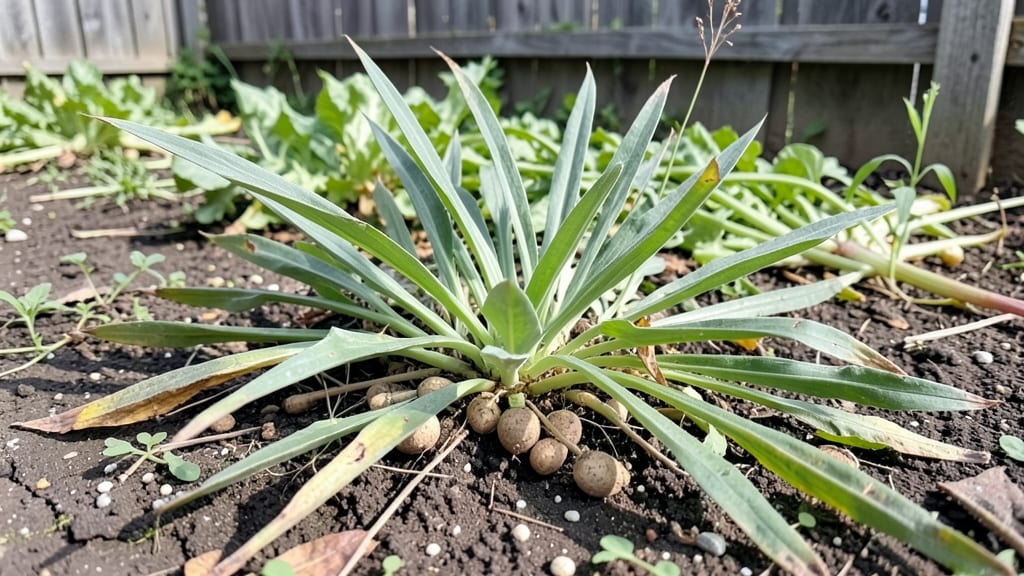
Pulling nutgrass roots feels like playing whack-a-mole—until you know the right moves. This stubborn weed spreads through underground tubers, and if you yank just the leaves, you’ll end up with more plants next month.
The secret is getting those thick, knobby roots out clean, without leaving behind even a sliver of tuber.
I’ve wrestled with nutgrass in both my lawn and garden beds, and here’s what I learned: a sturdy fork or dandelion weeder works best for digging out the roots, but you’ve got to go deep.
The tubers can hide 6 inches below the surface, so don’t skimp on the effort. Once you spot the characteristic triangular stems and saw-edged leaves, act fast—delaying just lets the roots spread further.
What you’ll get is a weed-free patch that stays that way, not just for a season but for good. The key is checking the soil regularly for any regrowth and treating new sprouts before they establish.
With this method, you’ll finally outsmart the plant instead of it outsmarting you—no more surprise shoots popping up where you least expect them.
Works for both lawns and garden beds, and you can adapt the approach for organic or chemical control depending on your preference. Let’s get those roots out for good.
Root Causes Of Stubborn Nutgrass Spread
Nutgrass—also known as Cyperus rotundus—is one of the most relentless weeds in lawns and gardens, thanks to its aggressive root system. Understanding why it thrives and spreads so aggressively is the first step to eradicating it for good.
Below, we break down the key factors that fuel its persistence, from biology to environmental conditions.
🌱 Hardened Survival Adaptations
Nutgrass isn’t just another weed—it’s a biological powerhouse with built-in survival mechanisms:
- Tuberous roots: Unlike grasses with fibrous roots, nutgrass develops thick, potato-like tubers that store nutrients for years. These tubers can lie dormant in soil for decades, sprouting when conditions are favorable. Even a tiny fragment left behind can regenerate into a full plant.
- Rapid regeneration: A single tuber can produce multiple shoots, and each shoot can generate new tubers. This creates a network of underground clones, making manual removal ineffective if roots aren’t fully extracted.
- Deep root penetration: Nutgrass roots can extend up to 4 feet deep, anchoring the plant beyond the reach of shallow tilling or herbicide sprays. This depth also protects it from freezing temperatures and drought.
🌡️ Environmental Conditions That Fuel Growth
Nutgrass doesn’t just survive—it thrives in conditions that most plants avoid. Here’s what gives it an edge:
- Heat and humidity: Native to tropical and subtropical regions, nutgrass loves warm climates (ideal temperatures: 70–95°F). In cooler zones, it may slow down but never fully dies, waiting for warmer seasons to resurface.
- Compacted or disturbed soil: Construction, foot traffic, or heavy machinery can stimulate nutgrass growth by exposing buried tubers to light and air. Even a small disturbance can trigger a new infestation.
- Poor drainage: Nutgrass prefers moist, waterlogged soil but can also tolerate drought once established. Its roots seek out water sources, making it a common pest in irrigation systems or low-lying areas.
🎯 Human Activities Accelerating Spread
While nutgrass is resilient on its own, human habits often accelerate its spread. Here’s how:
| Activity | How It Helps Nutgrass |
|---|---|
| Lawn mowing | Cutting nutgrass shoots stimulates tuber growth, as the plant redirects energy into producing more roots. |
| Improper herbicide use | Over-the-counter herbicides often fail to penetrate deep enough to kill tubers, leaving fragments to regrow. Systemic herbicides (like glyphosate) are more effective but must be applied correctly. |
| Soil tilling | While tilling can bury tubers, it also chops them into pieces, creating more growth points. Nutgrass tubers can even survive composting or mulching if not heated to 140°F+. |
| Water runoff | Irrigation or rainwater can carry tuber fragments to new areas, turning a small patch into a lawn-wide invasion. |
💡 Pro Tip: Nutgrass spreads fastest when it’s ignored. Regular monitoring—especially after disturbances like landscaping—can catch early signs before it takes over.
Eliminate Nutgrass Roots For Good
Nutgrass (also called nutsedge or cyperus rotundus) is a stubborn weed that spreads aggressively through its deep, hardy roots. But don’t let its persistence scare you—with the right approach, you can completely eradicate it from your lawn or garden.
Below are targeted solutions based on the root cause of your nutgrass problem, from manual removal to chemical-free and chemical-based methods. Each strategy includes prevention tips to keep it from creeping back.
🔥 Manual Removal: Dig Deep and Stay Consistent
If your nutgrass infestation is small or you prefer a chemical-free approach, manual extraction is your best bet—but you must remove the entire root system to prevent regrowth.
Step-by-Step Digging Guide
🔪 1. Identify the Plant
- Nutgrass has a triangular stem and a nut-like tuber at the base. Look for clusters of these tubers underground—they’re the real problem.
👨🍳 2. Loosen the Soil
- Use a hand trowel or garden fork to gently loosen the soil around the plant. Aim for at least 6–8 inches deep—nutgrass roots can extend that far!
🥘 3. Pull with Precision
- Grasp the base of the plant (not just the leaves) and wiggle it free. If resistance is strong, the root isn’t fully out yet—keep digging!
- Pro Tip: Wear gloves—nutgrass sap can irritate skin.
⏰ 4. Inspect and Repeat
- Check the extracted root for small tubers (they look like tiny nuts). If any remain, the plant will regrow.
- Reapply this method every 2–3 weeks for 3–4 months to catch new sprouts.
💡 Prevention After Digging
- Solarize the soil (cover the area with clear plastic for 4–6 weeks in hot sun) to kill remaining tubers.
- Mulch heavily (3+ inches) with straw or wood chips to block sunlight and prevent new growth.
🌱 Smothering and Natural Suppression
For larger areas, cutting off sunlight is a powerful (and chemical-free) way to weaken nutgrass before removal.
How to Smother Nutgrass
📊 1. Cardboard or Newspaper Layer
- Lay down thick layers of cardboard or newspaper (ink-side down) over the infested area.
- Top with 4–6 inches of mulch (straw, wood chips, or leaves).
- Wait 4–6 weeks—nutgrass will die from lack of light.
🌡️ 2. Black Plastic Solarization (For Hot Climates)
- Cover the area with clear or black plastic and secure edges with soil.
- Leave for 6–8 weeks in direct sunlight (temperatures above 90°F/32°C work best).
- Best for: Bare soil, garden beds, or driveways.
🎯 Long-Term Prevention
- Aerate your lawn annually to starve out weeds by improving soil health.
- Plant dense ground covers (like clover or creeping thyme) to outcompete nutgrass.
- Water deeply but infrequently—nutgrass thrives in moist, compacted soil.
💊 Chemical Control: Herbicides for Stubborn Cases
If manual methods fail, selective herbicides can target nutgrass while sparing your grass. Glyphosate (Roundup) is the most effective but requires precise application.
Best Herbicides for Nutgrass
| Herbicide Type | Active Ingredient | How to Use | Safety Notes |
|---|---|---|---|
| Non-Selective | Glyphosate (Roundup) | Spray directly on leaves (avoid grass). Reapply after 7–10 days for tubers. | Wait 72 hours before watering. |
| Selective (For Lawns) | Sulfentrazone (Sedgehammer) | Apply evenly to nutgrass in lawns. Works best in cool weather. | Do not water for 24 hours after use. |
| Pre-Emergent | Oxadiazon (Ronstar) | Apply before nutgrass sprouts (spring/fall). Prevents seed germination. | Safe for lawns if used correctly. |
✨ Pro Tips for Chemical Use
- Spot-treat instead of blanket spraying to protect beneficial plants.
- Reapply every 2–3 weeks—nutgrass tubers can survive initial treatments.
- Avoid herbicides in rain—wait 24–48 hours for absorption.
🚜 Mechanical and Alternative Methods
For large-scale or organic solutions, these methods work well:
1. Flame Weeding (For Driveways & Sidewalks)
- Use a propane torch weeder to burn nutgrass leaves (not roots).
- Best for: Cracks in concrete, gravel areas, or between pavers.
- Frequency: Repeat every 2–3 weeks until gone.
2. Vinegar & Salt Spray (Organic Kill)
- Mix:
- 1 gallon white vinegar
- 1 cup salt
- 1 tbsp dish soap (as a surfactant)
- Spray directly on nutgrass (avoid desirable plants—it’s non-selective).
- Reapply every 3–4 days until dead.
3. Corn Gluten Meal (Preventative)
- Apply 10 lbs per 1,000 sq ft in early spring to prevent nutgrass seeds from germinating.
- Works best in: Garden beds and new lawns.
🛡️ Final Prevention Checklist
To keep nutgrass from returning, follow this year-round plan:
✅ Spring:
- Apply pre-emergent herbicide (like corn gluten meal).
- Hand-pull any new sprouts before they root.
✅ Summer:
- Mow high (3–4 inches) to shade out weeds.
- Water deeply but less often to weaken nutgrass.
✅ Fall:
- Solarize bare spots or smother with mulch.
- Aerate lawn to improve soil health.
✅ Winter:
- Remove thatch (nutgrass loves thick, compacted layers).
- Inspect edges (nutgrass often invades from sidewalks or driveways).
🎯 When to Call a Pro
If your nutgrass problem is spreading rapidly (especially in large lawns or agricultural areas), consider hiring a lawn care professional. They can:
- Perform deep soil treatment with industrial-grade herbicides.
- Use targeted spot-spraying to minimize damage to your lawn.
- Recommend long-term soil amendments to prevent regrowth.
Remember: Nutgrass is tough, but consistency is key. Combine manual removal, smothering, and preventative measures for the best results. With patience, your lawn can stay nutgrass-free for good! 🌱💪
Frequently asked questions
How deep do I need to dig to remove nutgrass tubers completely?
Nutgrass tubers can hide up to 6 inches deep (or deeper in established patches). Use a garden fork or trowel to dig at least 8 inches deep around each plant. Check extracted soil for small nut-like tubers—any left behind will regrow. For stubborn cases, repeat the process every 2-3 weeks for 3-4 months to catch new sprouts.
Will vinegar kill nutgrass roots permanently?
Vinegar kills above-ground growth but rarely eradicates tubers. For best results, combine it with salt (1 gallon vinegar + 1 cup salt + 1 tbsp dish soap) and reapply every 3-4 days until the area is bare. Then smother with black plastic for 6 weeks or solarize to kill remaining roots. This method works best in small, contained areas.
Can I use the same herbicide for nutgrass in my lawn and garden beds?
No—herbicides vary by safety. For lawns, use selective herbicides like sulfentrazone (Sedgehammer), which targets nutgrass without harming grass. For garden beds, non-selective options like glyphosate (Roundup) work, but they’ll kill all plants. Always spot-treat and follow label instructions to avoid damaging desirable plants.
Why does nutgrass keep coming back after I pull it?
Nutgrass regrows because you likely missed tiny tuber fragments or didn’t dig deep enough. Even a pea-sized piece can sprout. To prevent regrowth, inspect extracted roots for tubers, solarize the soil (clear plastic for 4-6 weeks), or apply a pre-emergent herbicide like oxadiazon (Ronstar) in spring.
Is solarization safe for my lawn grass?
No—solarization (clear plastic for 6-8 weeks) kills all plants, including grass. Use it only in bare soil areas like garden beds, driveways, or newly seeded lawns. For lawns, opt for selective herbicides or manual removal instead. If solarizing, remove plastic immediately after treatment to allow grass to recover.