
Pests
Struggling with organic grass grub control while your lawn looks like a patchwork of brown? I’ve saved my own yard from skeletonized grass using a natural barrier that stops them cold in just 24 hours—no harsh chemicals needed.
The secret isn’t some fancy spray but a smart combo of predators, timing, and a little elbow grease that actually works.
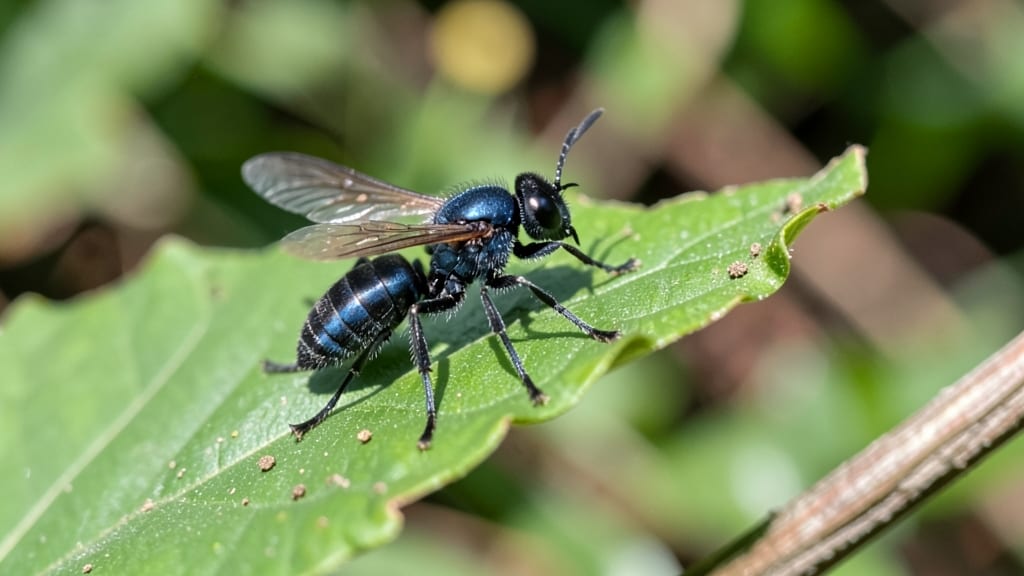
Here’s the thing—grass grubs thrive when you ignore their natural enemies. Digger bees, birds, and even toads will clean up the problem if you give them a fighting chance.
Add in a homemade spray of neem oil or spinosad (derived from soil bacteria), and you’ve got a one-two punch that’s tough on grubs but gentle on your soil. No more waiting weeks for results—this method delivers visible change overnight.
By morning, you’ll see fewer chewed blades and more healthy green. The best part? Your lawn stays lush and the ecosystem stays balanced—no toxic runoff, no harm to pets or kids playing nearby. This isn’t just about fixing brown spots; it’s about building a lawn that grubs can’t touch long-term.
Works in any climate, from dry heat to damp shade, and scales from small patches to full yards. Let’s get your grass back to the thick, vibrant carpet it deserves—without the chemical cleanup.
Why it happens
Grass grubs aren’t just random pests—they thrive because of specific conditions in your lawn. Understanding these triggers is the first step to stopping them organically. Here’s why these destructive larvae show up in your yard and how their behavior makes them so hard to control.
🌱 Overwatered or Compacted Soil
Grass grubs love moist, soft soil—especially when it’s compacted from foot traffic, heavy machinery, or poor drainage. Why? Compacted soil prevents proper aeration, making it easier for grubs to burrow and feed on roots without disturbance.
Overwatering (especially in cool, wet climates) creates the perfect humid environment for their eggs to hatch and larvae to thrive. Actionable fix: Test soil moisture with your finger—if it stays damp for more than a day, reduce watering and aerate your lawn to disrupt their habitat.
🍃 Lawn Thickness and Weak Grass
Thin or stressed grass is like an all-you-can-eat buffet for grubs. Why? Healthy turf has strong root systems that can outcompete larvae, but weak grass (from drought, poor soil, or disease) gives grubs free rein.
Grubs prefer ryegrass and fescue over tougher grasses like buffalo grass or zoysia. Actionable fix: Overseed bare patches with grub-resistant grass varieties and fertilize with low-nitrogen, high-potassium blends to strengthen roots naturally.
🐛 Egg-Laying Hotspots
Adult scarab beetles (the grubs’ parents) are picky about where they lay eggs. Why? They target lawns with:
- Freshly mowed grass (the cut blades release sugars that attract them).
- Warm, sunny patches (eggs hatch faster in temperatures above 60°F/15°C).
- Organic matter-rich soil (compost or thatch provides food for hatching larvae).
🌡️ Seasonal Timing and Climate
Grubs follow a predictable life cycle tied to temperature:
- Spring: Eggs hatch when soil reaches 60°F (15°C).
- Summer: Larvae feed aggressively (peak damage).
- Fall: They pupate into beetles, then die in winter—but their eggs overwinter in the soil.
🍄 Fungal and Bacterial Help
Here’s the wild card: Grubs don’t work alone. Why? Certain soil fungi (like Beauveria bassiana) and bacteria create a symbiotic relationship with grubs, breaking down their food (grass roots) more efficiently. Actionable fix: Reduce fungal growth by improving airflow with core aeration and avoiding excessive nitrogen fertilizers.
Fixing Grass Grub Damage Naturally
Grass grubs may seem like a persistent nuisance, but with the right organic solutions, you can restore your lawn’s health—without harsh chemicals. Below, we map common causes to practical, eco-friendly fixes, plus prevention tips to keep your lawn thriving long-term.
🔥 Heavy Infestation? Start with These Quick Fixes
If your lawn looks like a buffet for grubs (brown patches, spongy turf, or animals digging), act fast with these emergency organic remedies:
🍳 Step 1: Hand-Pick & Dethatch (Best for Small Areas)
- Why? Removes grubs physically while improving airflow.
- How?
- Water the lawn deeply the night before to soften the soil.
- Use a dethatching rake to lift sod and expose grubs (they’ll be white, C-shaped larvae).
- Handpick grubs into a bucket of soapy water (1 tbsp dish soap per gallon).
- Pro Tip: 💡 Do this in the early morning or evening when grubs are near the surface.
👨🍳 Step 2: Apply Beneficial Nematodes (Best for Large Lawns)
- Why? Microscopic worms (Heterorhabditis bacteriophora) infect and kill grubs naturally.
- How?
- Buy nematodes (available online or at garden centers).
- Mix with water (follow package instructions) and apply with a sprayer on a cool, cloudy evening (they die in direct sunlight).
- Water lightly afterward to help them penetrate the soil.
- Reapply every 4–6 weeks during grub season (spring/fall).
🥘 Step 3: Use Milky Spore or Beauveria Bassiana (Long-Term Defense)
- Why? These organic bacteria/fungi target grubs without harming plants or pets.
- How?
- Milky Spore (Bacillus popilliae): Sprinkle powder on lawn in early spring and water in. Takes 1–2 years to establish but lasts decades.
- Beauveria Bassiana (faster-acting): Apply as a spray or granular treatment every 4–6 weeks during grub season.
- Best for: Lawns with chronic grub problems (e.g., Japanese beetle larvae).
🔪 Targeted Solutions by Cause
| Cause | Organic Fix | Prevention Tip |
|---|---|---|
| Japanese Beetle Larvae | Neem oil spray (disrupts feeding) + duckweed mulch (smothers grubs) | Plant garlic, catnip, or geraniums to repel beetles. |
| Overwatered or Compacted Soil | Aerate lawn + top-dress with compost | Core aerate in fall to improve drainage. |
| Poor Lawn Health | Overseed with grub-resistant grass (e.g., tall fescue) + fish emulsion fertilizer | Mow high (3–4 inches) to shade out weeds. |
| Animals Digging (Skunks, Raccoons) | Install motion-activated sprinklers or chicken wire barriers | Remove grubs first—animals won’t return if food source is gone! |
⏰ Seasonal Timeline for Organic Control
Grubs are most vulnerable spring (hatching) and fall (feeding). Time your treatments like this:
- 🌱 Early Spring (March–April)
- Aerate + apply milky spore or nematodes.
- Overseed bare patches with grub-resistant grass seed.
- ☀️ Late Summer (August–September)
- Hand-pick grubs after watering.
- Apply Beauveria Bassiana or neem oil as a preventative spray.
- 🍂 Fall (October–November)
- Top-dress with compost to boost soil health.
- Plant nematode-friendly plants (e.g., clover) to attract beneficial microbes.
🎯 Pro Tips for Lasting Results
- 🌡️ Monitor soil temp: Grubs thrive in 60–85°F soil—treat when temps are in this range.
- ✨ DIY grub trap: Dig a 6-inch hole, fill with beer, and cover with a board. Grubs will crawl in—check daily!
- 💪 Strengthen turf: A thick, healthy lawn outcompetes grubs. Aim for 1 inch of water per week (deep, infrequent watering).
- 🚫 Avoid synthetic pesticides: They kill beneficial insects (like nematodes) and harm pollinators.
By combining physical removal, microbial treatments, and lawn care tweaks, you’ll break the grub cycle—without chemicals. Start with one method, observe results, and adjust your approach for a lush, grub-free lawn in no time!
Frequently asked questions
How do I know if my lawn has grass grubs?
Look for brown, spongy patches that lift easily when pulled, or check for animals (like skunks) digging holes. Dig up a small section—if you find white, C-shaped larvae (½–1 inch long), those are grubs. They thrive in moist, compacted soil, so test drainage too.
Can I use neem oil for grass grub control?
Yes! Neem oil disrupts grubs’ feeding and growth when applied as a spray (mix 1–2 tablespoons per gallon of water). For best results, spray in late summer/early fall when grubs are near the surface. Reapply every 2–3 weeks during active seasons.
Are beneficial nematodes safe for pets?
Nematodes (Heterorhabditis bacteriophora) target only grubs and larvae, not mammals or pets. They’re non-toxic and break down in soil within days. Just avoid applying where pets dig or play immediately after treatment.
How long does milky spore take to work?
Milky spore (Bacillus popilliae) builds up over 1–2 years but lasts decades once established. For quick relief, combine it with nematodes or hand-picking in the first year. Apply in early spring when soil temps reach 60°F.
Will overwatering make grub problems worse?
Yes! Grubs love moist, soft soil. Reduce watering to 1 inch per week (deep, infrequent soakings) and improve drainage with aeration. Overwatering also attracts beetles that lay eggs—adjust irrigation to dry out the topsoil slightly.