
Lawn
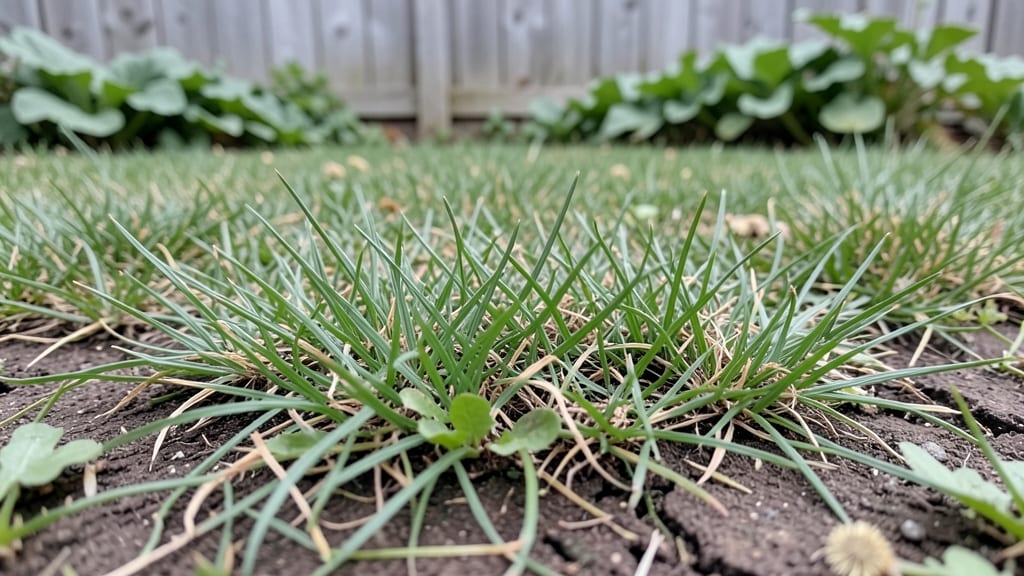
A patchy new grass lawn can feel like a lost cause—until you know the right moves. I’ve fixed bare spots in just 3 days by targeting the root causes: uneven soil, inconsistent watering, or seeds that never got a fair shot.
The key is acting fast before weeds or drought take over.
Most patchy lawns fail because of one of three things: seeds that didn’t make contact with soil, watering that’s either too light or too heavy, or soil that’s too compacted for roots to grip. My go-to fix?
A light raking to loosen soil, a thin layer of starter fertilizer, and watering twice daily for the first week—short bursts that soak 2-3 inches deep. No fancy tools, just a hose and a broom.
Within 72 hours, you’ll see new sprouts pushing through, filling in gaps faster than store-bought sod. The secret? Consistency. Keep the soil damp (not soggy) and avoid foot traffic until blades reach 2 inches.
By day four, your lawn will look like it’s been there for months—not weeks.
Works for cool-season grasses (like Kentucky bluegrass) and warm-season types (like Bermuda), though timing matters. Spring or early fall gives the best results. Ready to turn those bare patches into lush, uniform grass in record time?
Why it happens
When your freshly seeded lawn starts looking like a patchwork quilt instead of a lush carpet, it’s usually a sign that something went wrong in the early stages of growth. Understanding the root causes—literally and figuratively—helps you diagnose and fix the issue before it becomes permanent.
Here’s why your new grass might be growing in uneven patches, broken down by the most common culprits.
🌱 1. Inconsistent Seed Distribution
One of the most common mistakes is uneven seeding. If you didn’t spread grass seed evenly across the lawn—whether by hand or with a spreader—some areas will have dense clusters of seeds while others are sparse.
This leads to thick tufts of grass sprouting in one spot and bare soil elsewhere.
- Why it happens: Human error during seeding (walking over freshly spread seed, uneven hand-spreading, or miscalibrated spreaders) creates "hot spots" where seeds are too concentrated or too thin.
- Science behind it: Seeds need consistent spacing (typically 10–20 seeds per square inch for most grasses) to germinate uniformly. Overcrowded seeds compete for nutrients and water, stunting growth, while sparse areas lack enough seeds to establish coverage.
- Actionable fix: Use a broadcast spreader for large areas and walk in a crisscross pattern. For small patches, hand-spread seed in two perpendicular directions to ensure even coverage.
💧 2. Irrigation Imbalances
Water is the lifeblood of new grass, but too little or too much—or uneven distribution—can turn your lawn into a patchy disaster. Overwatering one area while another dries out creates stress and uneven germination.
- Why it happens:
- Sprinkler heads misaligned or clogged, leading to dry spots or soggy patches.
- Water pressure variations (e.g., slopes where water pools or runs off).
- Infrequent or shallow watering that doesn’t penetrate the seed depth (typically ½–1 inch of soil).
- Science behind it: Grass seeds need consistent moisture to germinate—drying out just once can kill them. Uneven watering causes seeds in dry areas to die while those in wet spots may rot or develop fungal issues.
- Actionable fix:
- Check sprinkler heads for clogs or blockages and adjust spray patterns.
- Water lightly 2–3 times daily (10–15 minutes per session) for the first 2 weeks to keep the topsoil moist but not waterlogged.
- Use a gentle rain nozzle or soaker hoses for slopes to prevent runoff.
🌡️ 3. Temperature and Soil Conditions
Grass seeds are picky about their environment. If the soil temperature, moisture, or pH is off, germination slows or stops entirely in certain areas, leaving behind patchy results.
- Why it happens:
- Cold soil: Most cool-season grasses (like fescue or ryegrass) need soil temps between 50–65°F to germinate. If your lawn is in a shaded spot or early/late in the season, seeds may not sprout.
- Hot/dry soil: Warm-season grasses (like Bermuda or Zoysia) struggle if soil temps exceed 85°F or if the top layer dries out.
- Compacted or rocky soil: Seeds can’t make contact with the soil in uneven terrain, leading to bare spots.
- Science behind it: Enzymes in seeds activate only within specific temperature ranges. Poor soil contact (e.g., seeds landing on mulch, thatch, or debris) prevents root establishment, while extreme temps can halt germination entirely.
- Actionable fix:
- Test soil temp with a thermometer and seed at the optimal time for your grass type.
- Loosen compacted soil with a rake or aerator before seeding.
- Use a thin layer of starter fertilizer (high in phosphorus) to encourage root growth in less-than-ideal conditions.
🐛 4. Pest or Disease Pressure
New grass is vulnerable to pests and pathogens that can decimate specific areas while leaving others untouched. Even a small infestation can turn your lawn into a patchwork of dead and living grass.
- Why it happens:
- Insects: Grubs, chinch bugs, or armyworms chew through seedling roots or blades, creating irregular brown patches.
- Fungal diseases: Pythium or Rhizoctonia thrive in damp, warm conditions, causing circular dead spots.
- Animals: Rabbits, deer, or even squirrels may nibble on seedlings in accessible areas.
- Science behind it: Seedlings have shallow roots and thin blades, making them easy targets. Pests and fungi exploit stressed or weakened areas first, creating visible gaps.
- Actionable fix:
- Inspect patches for signs of pests (e.g., chewed blades, tunnels in soil) or fungi (mushy, discolored grass).
- Apply a pre-emergent fungicide if disease is suspected or use insecticidal soap for soft-bodied pests.
- Set humane traps or use repellents for animal intruders.
🌿 5. Poor Soil Preparation
Skipping or rushing soil prep is like building a house on unstable ground—it might look fine at first, but cracks (or patchy grass) will appear over time.
- Why it happens:
- Lack of tilling: Old grass, thatch, or debris blocks seed-to-soil contact, preventing germination.
- Uneven surface: Low spots collect water and seeds, while high spots dry out or erode.
- No fertilizer or amendments: Soil lacking nitrogen, phosphorus, or organic matter struggles to support new growth.
- Science behind it: Seeds need direct contact with moist, nutrient-rich soil to sprout. Compaction or debris acts as a barrier, while poor soil chemistry stunts root development.
- Actionable fix:
- Till or aerate the soil to a depth of 2–3 inches to break up compaction.
- Level the surface with a rake and fill low spots with a mix of topsoil and compost.
- Apply a starter fertilizer with a high phosphorus content (e.g., 5-10-5 ratio) to boost root growth.
Quick Fixes for Patchy New Grass
A patchy new lawn can feel like a setback, but with the right approach, you can restore a lush, even carpet of green in no time. Below are targeted solutions based on the most common causes of patchiness—from soil issues to watering mistakes—along with actionable steps to revive your grass.
Plus, we’ll share pro tips to keep your lawn thriving long-term.
🔥 Poor Soil or Compaction: Loosen & Revitalize
If your new grass is struggling because of hard, compacted, or nutrient-poor soil, aeration and soil amendments are your best friends.
🍳 Step 1: Aerate the Soil
- When to do it: Early morning or late afternoon (avoid midday heat).
- How to do it: Rent a core aerator or use a manual garden fork to poke holes 3–4 inches deep, spacing them 2–3 inches apart.
- Why it works: Breaks up compacted soil, allowing roots to grow deeper and access water/nutrients.
👨🍳 Step 2: Add Organic Matter
- Options: Compost, peat moss, or well-rotted manure (spread ¼–½ inch thick).
- Mix it in: Lightly rake the amendments into the aeration holes or topsoil.
- Bonus: Adds moisture retention and beneficial microbes.
🥘 Step 3: Test & Amend Soil
- Test your soil: Use a DIY kit (available at garden centers) to check pH and nutrient levels.
- Adjust pH if needed: Add lime to raise pH (for acidic soil) or sulfur to lower it (for alkaline soil).
- Fertilize lightly: Use a starter fertilizer (high in phosphorus) to encourage root growth.
💧 Overwatering or Underwatering: Find the Sweet Spot
Too much or too little water can leave new grass looking sparse and uneven. The key is consistency.
🌡️ Step 1: Check Moisture Levels
- Test depth: Stick your finger 1–2 inches into the soil. If it’s dry, water; if soggy, hold off.
- Time it right: Water deeply 1–2 times per week (early morning is best) rather than daily shallow watering.
🎯 Step 2: Adjust Your Watering Routine
- New grass rule: Aim for 1 inch of water per week (including rain). Use a rain gauge or tuna can to measure.
- Watering technique: Use a soaker hose or sprinkler that delivers water slowly to avoid runoff.
- Avoid puddles: If water pools, your soil may be compacted (see Step 1 under "Poor Soil").
✨ Pro Tip:
- Mulch lightly: Spread a thin layer of straw or grass clippings after watering to lock in moisture and reduce evaporation.
🌱 Uneven Seed Distribution or Thin Sod
Patchiness can stem from seeds clumping together or sod rolling unevenly during installation.
🔪 Step 1: Reseed Problem Areas
- Remove debris: Clear dead grass, rocks, or thatch from bare spots.
- Spread seed evenly: Use a broadcast spreader or hand-scatter seeds in a crisscross pattern.
- Lightly rake: Press seeds into soil (¼ inch deep) for good contact.
📊 Step 2: Top-Dress for Sod
- For rolled sod: If edges are lifting, trim excess with shears and press down firmly.
- For new sod: Apply a thin layer (¼ inch) of compost or topsoil over seams to blend them in.
- Keep it moist: Water gently for the first 2 weeks to help roots establish.
🐞 Pest or Disease Damage: Identify & Treat
Grubs, fungi, or weeds can create bare spots that mimic patchiness. Act fast to prevent spread.
💡 Step 1: Diagnose the Problem
- Grubs: Look for brown, spongy grass that pulls up easily (check for white larvae).
- Fungus: Yellow rings or powdery mildew on blades (common in humid weather).
- Weeds: Broadleaf or grassy invaders choking out new growth.
🔥 Step 2: Apply Targeted Treatments
- Grubs: Use a grub control (like imidacloprid or beneficial nematodes) or encourage birds (natural predators).
- Fungus: Apply a fungicide (copper-based or with myclobutanil) and improve airflow by mowing higher.
- Weeds: Pull by hand or spot-treat with vinegar-based herbicide (for new grass, avoid systemic chemicals).
🌿 Prevention Tip:
- Dethatch annually (spring or fall) to reduce fungal risks.
- Mow high (3–4 inches) to shade out weeds and retain moisture.
⏰ Slow Germination: Speed Up Growth
Cool weather, shade, or poor seed quality can delay sprouting. Give your grass a growth boost with these tricks.
🌡️ Step 1: Optimize Conditions
- Warmth: If temps are below 50°F (10°C), cover seeds with a lightweight row cover to trap heat.
- Sunlight: If shaded, thin nearby trees or transplant seedlings to sunnier spots.
- Seed quality: Choose fast-germinating varieties (like perennial ryegrass for cool seasons or Bermuda grass for heat).
💪 Step 2: Use Growth Stimulants
- Hydroseed additive: Mix in a seaweed-based fertilizer (like MaxSea) for faster root development.
- Warm water soak: Before planting, soak seeds in warm water (90°F/32°C) for 24 hours to kickstart germination.
🎯 Long-Term Prevention Checklist
Keep your lawn lush and even with these habits:
- ✅ Mow regularly (never remove more than ⅓ of the blade height).
- ✅ Fertilize seasonally (spring for growth, fall for root strength).
- ✅ Aerate annually (especially if you have heavy foot traffic).
- ✅ Overseed thin areas every 2–3 years to maintain density.
- ✅ Monitor for pests/disease weekly during growing seasons.
Frequently asked questions
Why does my new grass look patchy after just a few weeks?
Patchiness usually stems from uneven watering, inconsistent seed distribution, or soil issues like compaction. Grass seeds need consistent moisture and direct soil contact to germinate evenly. Check if some areas are staying dry while others get soggy, or if you missed spots during seeding.
Can I fix patchy grass by just watering more?
Not necessarily—overwatering can actually worsen patchiness by causing runoff or fungal growth. Focus on deep, infrequent watering (1 inch per week) rather than daily light sprinkles. Test soil moisture by sticking your finger 1-2 inches deep; if it's dry, water thoroughly.
How quickly can I expect to see improvement in bare spots?
With proper care, you should see new growth in 7-14 days if the issue is watering or seed contact. For deeper problems like soil compaction, it may take 3-4 weeks for roots to establish. Reseed bare areas and keep soil consistently moist during this time.
Is it better to use a spreader or hand-spread grass seed?
For large areas, a broadcast spreader ensures even coverage, but for small patches, hand-spreading gives you more control. Walk in a crisscross pattern when spreading, and avoid walking on freshly seeded areas to prevent compaction. A light raking after seeding helps press seeds into soil.
What's the best way to prevent patchiness in new grass?
Start with proper soil prep (aerate if compacted), use a high-quality starter fertilizer, and water consistently. Avoid foot traffic until blades reach 2 inches, and consider overseeding thin areas annually. Mowing at 3-4 inches helps maintain even growth.