
Pests
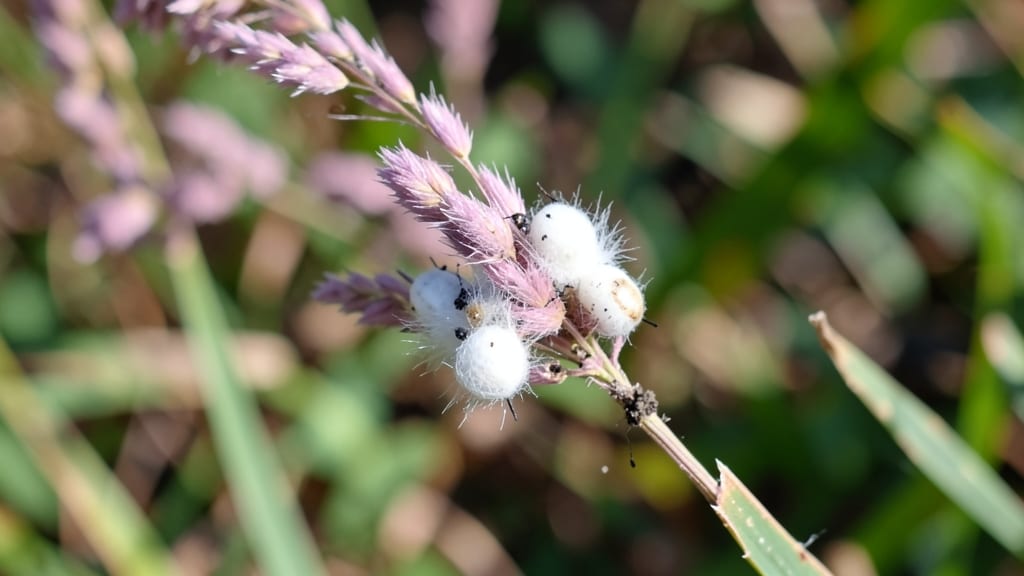
Mealybugs on muhly grass turn those delicate plumes from fluffy gold to sticky messes—fast. I’ve watched my prized Muhlenbergia capillaris go from showstopper to sad in just a few weeks, and I’ll never ignore those white cottony clumps again.
The good news? You can save your plants without harsh chemicals, but you’ve got to act before the bugs move on to your other ornamentals.
These pests thrive in dry, sheltered spots where they suck sap and leave behind a sticky residue that attracts ants—and more mealybugs. My first mistake was waiting too long to treat them, which let the infestation spread to my nearby yuccas.
The key is catching them early, when you spot just a few cottony spots on stems or leaf bases. A quick inspection after watering reveals them best, since they hide under the plumes where the grass is damp.
With the right organic treatments, your muhly grass can bounce back to its usual airy, golden glory—just scrub off the bugs with soapy water first, then apply neem oil or insecticidal soap every 5-7 days.
I’ve seen full recovery in 3-4 weeks of consistent care, though severe cases might need pruning back affected growth. The plant’s tough roots mean it rarely dies, but neglect turns it into a mealybug magnet for years.
Prevention is easier than cleanup: space out plants to improve airflow, prune regularly to remove hiding spots, and keep an eye out for ants, which often farm mealybugs.
My muhly grass now thrives in its original spot, but I check it weekly during summer—because once you’ve dealt with an infestation, you’ll spot them a mile away.
Why it happens
When tiny, cotton-like clusters appear on your Muhlenbergia (muhly grass), you’re likely dealing with mealybugs—sap-sucking pests that thrive under specific conditions. Understanding why these bugs target your grass is the first step to stopping them organically.
Let’s break down the science behind their attraction and how your garden might be unknowingly inviting them.
🌱 Weakened Plant Stress Signals
Mealybugs have a keen nose for distress. When muhly grass is stressed, it releases chemical signals (like volatile organic compounds, or VOCs) that act as a dinner bell for pests. Common stressors include:
- Drought or overwatering: Muhly grass prefers well-draining soil and moderate moisture. Too little water weakens roots, while soggy conditions invite fungal diseases (like Fusarium), which further stress the plant. Mealybugs detect these imbalances and move in to exploit the plant’s compromised defenses.
- Nutrient deficiencies: Yellowing leaves or stunted growth often signal a lack of nitrogen, phosphorus, or micronutrients like magnesium. Weak foliage is easier for mealybugs to pierce with their stylets (mouthparts), making sap extraction effortless.
- Physical damage: Trimming too aggressively or foot traffic can rupture plant cells, releasing sugars that attract mealybugs. Even wind damage can create entry points.
Pro tip: 💡 Healthy muhly grass acts as a natural deterrent. Test soil pH (ideal: 6.0–7.5) and amend with compost or worm castings to boost resilience.
🌿 Ideal Mealybug Microclimates
Mealybugs are opportunistic but prefer specific environmental conditions that mimic their natural habitats. Your muhly grass might be creating the perfect pest paradise without you realizing it:
| Factor | How It Attracts Mealybugs | Solution |
|---|---|---|
| High humidity (60%+) | Mealybugs thrive in moist, sheltered areas where their waxy coating retains water. Dense muhly clumps or mulch piles trap humidity near the base. | Improve airflow with spaced pruning and avoid thick mulch layers. |
| Warmth (70–85°F) | These pests are tropical invaders that reproduce faster in heat. South-facing gardens or greenhouses accelerate their lifecycle. | Use shade cloth in peak summer or plant heat-tolerant companions like Lantana to disrupt their environment. |
| Low light | Weak, shaded muhly grass produces less defensive compounds (like phenolics) that repel pests. | Thin nearby trees/shrubs to allow 6+ hours of sunlight daily. |
Fun fact: 🌡️ Mealybugs can double their population in just 30 days when conditions are perfect—so addressing microclimates early is critical.
🐝 Secondary Pests & Beneficial Disruptors
Mealybugs rarely appear alone. Their presence often signals a broken ecosystem balance, where natural predators are absent or overwhelmed:
- Ants as bodyguards: Mealybugs secrete honeydew (a sugary waste), which ants farm like cattle. If you spot ants trailing up your muhly grass, they’re protecting mealybug colonies from threats. Without ants, mealybugs struggle to survive.
- Lack of predators: Lady beetles (ladybugs), lacewings, and parasitic wasps (Leptomastix dactylopii) naturally control mealybugs. If these are missing, the pests explode in numbers.
- Fungal competition: Healthy soil fungi (like Beauveria bassiana) can infect mealybugs. Chemical pesticides kill these fungi too, leaving mealybugs unchecked.
Action step: ✨ Invite predators by planting neighborhood-friendly flowers (e.g., cosmos, dill, or fennel) near your muhly grass to attract their natural enemies.
Quick Fixes for Mealybug Infestations
Discovering mealybugs on your muhly grass can feel like a garden nightmare, but don’t panic—these pests are manageable with the right approach. The key is acting fast, using targeted methods, and preventing future outbreaks.
Below, we’ve mapped out solutions based on the root causes (overcrowding, stress, or environmental factors) so you can tackle the problem head-on without harming your plants.
🔥 Overcrowded or Stressed Grass? Prune and Revitalize
Mealybugs thrive where plants are weak or overcrowded. If your muhly grass is struggling, these steps will help it bounce back while starving out the pests.
🍳 Trim Affected Areas
- How: Use clean, sharp pruners to remove heavily infested sections of grass. Focus on brown or wilted patches where mealybugs cluster.
- Why: Reducing dense foliage improves airflow, making it harder for pests to hide and multiply.
- Pro Tip: 💡 Bag and dispose of clippings immediately—never compost them—to prevent reinfestation.
👨🍳 Boost Plant Health
- How: Fertilize with a balanced, organic option (like fish emulsion or compost tea) to strengthen your muhly grass. Water deeply but infrequently to encourage root growth.
- Why: Healthy plants resist pests better. Aim for 1 inch of water per week, adjusting for rainfall.
- Pro Tip: ✨ Mulch around the base with organic matter (like straw or shredded leaves) to retain moisture and deter pests naturally.
🌡️ Environmental Hotspots? Adjust Conditions
Mealybugs love warm, humid environments. If your grass is in a sheltered or high-heat area, tweaking its surroundings can disrupt their lifecycle.
🌿 Improve Airflow
- How: Thin out nearby plants or structures (like fences or dense shrubs) that block airflow. Aim for at least 2–3 feet of space around muhly grass clumps.
- Why: Good circulation reduces humidity, making it less hospitable for mealybugs.
☀️ Optimize Sunlight
- How: If your muhly grass is in full shade, gradually introduce more sunlight (if possible). Mealybugs prefer low-light, damp conditions.
- Why: Sunnier spots dry out faster, discouraging pest activity.
💦 Water Wisely
- How: Water in the early morning to allow foliage to dry quickly. Avoid overhead watering, which can create a mealybug-friendly microclimate.
- Why: Wet leaves = happy mealybugs. Drip irrigation or soaker hoses keep soil moist without soaking the grass.
🔪 Direct Attack: Organic Pest Control
For stubborn infestations, combine these organic methods for maximum impact. Always test treatments on a small area first to avoid plant damage.
🍋 Homemade Sprays
- Option 1: Soap Solution
- Mix 1 tablespoon of mild liquid soap (like Castile soap) with 1 quart of water. Spray directly on mealybugs (they’ll dissolve on contact).
- Reapply every 5–7 days until pests are gone.
- Option 2: Neem Oil
- Combine 1 tablespoon neem oil + 1 teaspoon mild soap + 1 quart of water. Shake well and spray evenly on both sides of leaves.
- Why: Neem disrupts mealybug feeding and reproduction. ⚠️ Apply in the evening to avoid burning plants in sunlight.
🐝 Introduce Beneficial Insects
- How: Release ladybugs, lacewings, or parasitic wasps (like Anagyrus pseudococci) near infested areas. These predators feast on mealybugs without harming your grass.
- Where to Buy: Local garden centers or online suppliers (e.g., Gardeners.com).
- Pro Tip: 🎯 Release them at dusk when they’re most active and temperatures are cooler.
🧹 Manual Removal (For Small Infestations)
- How: Use a soft brush or cotton swab dipped in rubbing alcohol to wipe away mealybugs from stems and leaves.
- Why: This is labor-intensive but effective for early-stage outbreaks. 🔥 Do this on a cloudy day to prevent alcohol evaporation.
🛡️ Prevention: Keep Mealybugs Away for Good
An ounce of prevention is worth a pound of cure. Once your muhly grass is pest-free, these habits will help keep it that way.
🌱 Regular Inspections
- How: Check your grass weekly, especially under leaves and at the base of stems. Early detection = easier eradication.
- What to Look For: White, cottony clusters (mealybugs) or sticky residue (honeydew).
🧼 Clean Garden Tools
- How: Wipe down pruners, shears, and gloves with rubbing alcohol or soapy water after each use. Mealybugs hitchhike on tools!
- Pro Tip: 🔥 Store tools in a dry place to prevent pest transfer.
🌿 Rotate Plantings
- How: Avoid planting muhly grass (or other susceptible plants) in the same spot year after year. Rotate with pest-resistant grasses like buffalo grass or fescue.
- Why: Disrupts mealybug life cycles and reduces soil-borne infestations.
🍂 Fall Cleanup
- How: In autumn, remove and dispose of all dead plant debris from your garden. Mealybugs overwinter in leaf litter.
- Pro Tip: 🌡️ Compost only disease-free, pest-free material—never compost infested plants.
With these targeted strategies, your muhly grass can recover quickly and stay mealybug-free. Consistency is key—stick with the plan, and your garden will thank you with lush, vibrant growth!
Frequently asked questions
What do mealybug infestations look like on muhly grass?
Mealybugs appear as small, white, cotton-like clusters along stems, leaf bases, or under the grass plumes. Look for sticky residue (honeydew) on leaves or nearby surfaces—this is their waste product. Early signs include yellowing or wilting grass where bugs cluster.
Can muhly grass recover from mealybug damage?
Yes! Muhly grass is resilient. With proper care—pruning affected areas, applying organic treatments (like neem oil), and improving plant health—it can fully recover in 3-4 weeks. Severe cases may need partial removal, but the roots rarely die.
Why do ants appear when I have mealybugs?
Ants "farm" mealybugs because they feed on the bugs' honeydew. Disrupting this relationship is key: use sticky traps near ant trails or apply diatomaceous earth to break their connection. Targeting mealybugs first often makes ants leave on their own.
How often should I spray neem oil on infested muhly grass?
Apply neem oil every 5-7 days for 2-3 weeks to fully eradicate mealybugs. Always mix with mild soap (1 tsp per quart) and spray in the evening to avoid leaf burn. Consistency is critical—missed treatments let pests rebound.
Will chemical pesticides harm my muhly grass?
Most chemical pesticides can damage muhly grass by disrupting its natural defenses. They also kill beneficial predators that control mealybugs naturally. Organic methods (soap sprays, neem oil) are safer and more effective for this delicate ornamental grass.