
Lawn
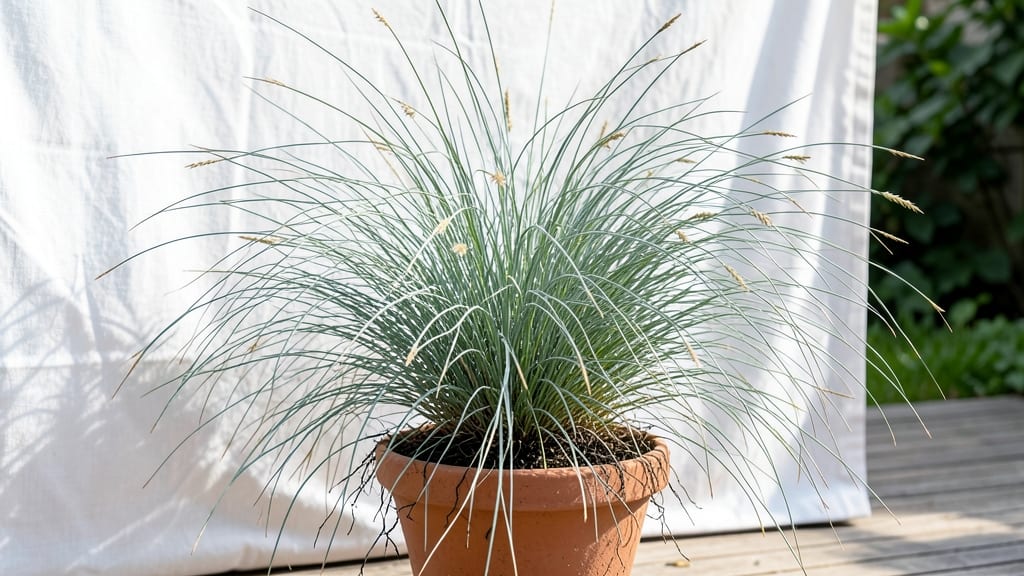
That spiky grass creeping into your lawn is ruining the smooth feel underfoot. 🌱 I’ve wrestled with crabgrass and nutsedge for years, and I’ve found a way to remove them without tearing up your turf—or your back. The key is timing and technique.
Pull when the soil is moist (after rain or watering), and use a weeding tool that lifts roots cleanly. Most spiky weeds like crabgrass spread from seeds, while nutsedge grows from underground tubers—so dig deep to stop them coming back.
You’ll notice a difference in just a few weeks as your lawn fills in with grass instead of those sharp little intruders. The secret? Stay consistent, and those weeds won’t stand a chance. Works for any yard, whether you’re dealing with a small patch or a full lawn takeover.
Let’s get those spikes out for good!
📚 In This Guide
- What you need
- Instructions
- Tips and common mistakes
- Wrapping up and next steps
What you need
- ● Manual Lawn Edger or String Trimmer: A sharp, cordless trimmer (or edger) with adjustable height settings for precision. Recommended: 12-inch trimmer head for tight spaces.
- ● Heavy-Duty Gloves: Cut-resistant gloves (e.g., Mechanix or Wolverine) to protect hands from sharp blades and debris.
- ● Knee Pads: For comfort during extended kneeling (e.g., foam or gel-filled pads).
- ● Garden Shears or Pruners: Bypass-style shears (8-inch blades) for trimming stubborn patches near borders.
- ● Rake (Bow or Leaf Rake): A stiff-bristle rake (12-inch width) to clear debris after trimming.
- ○ Water Hose with Adjustable Nozzle: For rinsing blades and wetting grass before trimming (optional but helpful).
- ● Pre-Emergent Herbicide: Natural options like corn gluten meal (apply in early spring) to prevent regrowth.
- ● Vinegar Solution (1:1 Ratio): White vinegar + water in a spray bottle for spot-treating small patches (test on a hidden area first!).
- ● Lawn Mower with High Setting: Adjust to 3–4 inches to encourage healthy turf growth post-treatment.
- ● Safety Goggles: To shield eyes from flying debris during trimming.
How to remove spiky grass naturally without damaging your lawn
Here’s my go-to method for getting rid of those annoying spiky grass patches while keeping your healthy turf intact.
🌱 Step 1: Identify and Test the Spiky Grass
Before you pull anything, figure out what you’re dealing with. Spiky grass is often nutgrass (nutsedges) or crabgrass, both of which thrive in warm seasons. Grab a small section of the spiky grass and gently tug—if it comes out easily with a chunk of soil still attached, it’s likely nutgrass. If it’s more fibrous and spreads aggressively, it’s probably crabgrass.
Test a small area first. Cut a 2-inch square of the spiky grass and dig around it to see how deep the roots go. Nutgrass has thick, tuber-like roots, while crabgrass spreads through shallow, fibrous roots. This helps you pick the right removal method later.
💧 Step 2: Smother the Area for 4-6 Weeks
Lay down cardboard or thick layers of newspaper over the spiky grass patches, completely covering them. Wet the layers down with water so they stick to the soil. This blocks sunlight, which the spiky grass needs to grow. I like to weigh the edges down with rocks or bricks so wind doesn’t blow them away.
Check the area every 3-4 days and water it lightly to keep the layers damp. Within 4-6 weeks, the spiky grass should turn yellow and die off. If you see any green shoots poking through, smother them immediately with extra layers. This method works best in warm, sunny weather—perfect for late spring or summer.
☀️ Step 3: Pull Out the Dead Grass and Loosen Soil
Once the spiky grass is completely dead (no green left), carefully peel back the cardboard or newspaper. Use a hand trowel or garden fork to gently loosen the soil where the spiky grass was growing. You’re not digging deep—just breaking up the top 1-2 inches of soil to disrupt any remaining roots or tubers.
Pull out any dead grass clumps by hand or with a weeding tool. If you see any stubborn roots left behind, dig them out completely. This step is crucial—leaving even small pieces behind means the spiky grass will grow back. Once the area is clear, rake it smooth to prepare for reseeding.
🌿 Step 4: Reseed or Overseed the Patch
Fill the empty spot with new grass seed that matches your lawn’s type. Sprinkle the seed evenly over the area and lightly cover it with a thin layer of soil (about ¼ inch deep). Water gently but thoroughly to help the seeds settle into the soil.
Keep the area moist for the next 2-3 weeks—water lightly every day or two, enough to keep the soil damp but not soggy. You’ll see new grass sprouting in about 7-14 days. If birds or pets disturb the area, cover it with a lightweight mesh until the grass is 2 inches tall and strong enough to stand on its own.
✂️ Step 5: Maintain the New Grass and Prevent Regrowth
Once the new grass is established (about 4-6 weeks after seeding), mow it at the recommended height for your turf type. Keep the lawn mowed regularly to discourage spiky grass from taking hold again. If you notice any new spiky patches popping up, smother them immediately before they spread.
To prevent future invasions, improve your lawn’s health with regular watering, proper fertilization, and occasional aeration. Healthy grass crowds out weeds and spiky grass naturally. I also recommend applying a pre-emergent herbicide in early spring to stop crabgrass before it starts—just follow the package instructions carefully.
Tips & tricks for natural spiky grass removal
These practical tricks will help you tackle spiky grass patches without damaging your lawn's health.
Identification Tip: When testing that 2-inch square in Step 1, look closely at the roots. Nutgrass roots have a distinctive bulbous shape, while crabgrass roots look more like thin, tangled fibers. This visual difference helps determine whether you're dealing with the more stubborn nutgrass or the more aggressive crabgrass. I've found that nutgrass often appears in small, isolated patches, while crabgrass spreads in wider, more uniform clusters.
Smothering Strategy: For the 4-6 week smothering period in Step 2, consider using black plastic sheeting instead of cardboard or newspaper. The plastic creates a more complete light barrier and stays in place better during rain. If you choose cardboard, make sure it's unbleached and free of glossy coatings—some inks can leach into the soil and harm your lawn. I've had the best results with 3-4 layers of newspaper, completely overlapping the edges to prevent sunlight from sneaking through.
Soil Preparation: In Step 3, when loosening that top 1-2 inches of soil, take your time to break up any remaining root fragments. I like to use a garden fork because it lets me work gently without disturbing the surrounding grass. If you notice any particularly stubborn root pieces, soak the area with water first—it makes them easier to remove. This thorough cleanup is what prevents those pesky regrowth problems later.
Seeding Success: For Step 4, don't be tempted to use too much grass seed. The recommended ¼-inch soil coverage is perfect—any deeper and the seeds won't get enough sunlight to germinate. I've learned that spreading seed too thickly can actually lead to weak, patchy growth. After seeding, I like to use a lightweight mesh that lets water through but keeps birds and pets away until the new grass reaches that 2-inch height.
Pro Tips for Spiky Grass In Lawn
- These practical tricks will help you tackle spiky grass patches without damaging your lawn's health.
- Identification Tip: When testing that 2-inch square in Step 1, look closely at the roots.
- Smothering Strategy: For the 4-6 week smothering period in Step 2, consider using black plastic sheeting instead of cardboard or newspaper.
Frequently asked questions
Got questions about spiky grass in your lawn? You’re not alone!
Here are answers to the most common concerns—from quick fixes to long-term solutions—so you can tackle those unsightly spikes like a pro.
Why does spiky grass keep coming back even after mowing?
Spiky grass (like Cynodon dactylon or nutsedge) spreads via underground rhizomes or tubers. Mowing alone won’t eliminate the root system—you need to target the roots with herbicides or manual removal methods like digging or smothering. Consistency is key!
How long does it take to remove spiky grass naturally?
Natural methods like smothering with cardboard or vinegar treatments take 4–12 weeks to show results, depending on grass type and weather. For stubborn patches, combine methods (e.g., digging + pre-emergent herbicide) for faster progress. Patience pays off!
Can I use vinegar to kill spiky grass without harming my lawn?
Yes, but with caution! A 1:1 ratio of white vinegar to water (sprayed on a sunny day) works for small patches. Avoid spraying healthy grass—direct the spray only to the spiky areas. For large lawns, consider spot-treating or using a corn gluten meal alternative to prevent regrowth.
What’s the best tool for digging out spiky grass roots?
A hand trowel or dandelion digger works best for small patches. For larger areas, a weeding knife or rhizome saw (for tougher roots) can save time. Always dig 2–3 inches deep to ensure you remove the entire root system—otherwise, it’ll regrow!
Will reseeding help prevent spiky grass from returning?
After removing spiky grass, reseeding with dense, healthy turfgrass (like Kentucky bluegrass or fescue) starves out weeds by blocking sunlight. Apply a pre-emergent herbicide in early spring to prevent new spikes from sprouting. Keep your lawn well-watered and fertilized for best results.
Is it safe to use herbicides on spiky grass with pets or kids?
Most selective herbicides (like glyphosate-free options) are safe once dry, but always follow label instructions. Opt for pet-safe alternatives like boiling water, salt (sparingly), or manual removal if you have curious pets. When in doubt, test a small area first!
Wrapping up and next steps
Dealing with spiky grass in your lawn doesn’t have to be a headache—especially when you prioritize natural, turf-friendly solutions! Whether it’s crabgrass, nutsedge, or other invasive types, the key is consistent action and preventative care.
With the right tools (like manual removal, vinegar blends, or mulching) and a little patience, you’ll restore a lush, even lawn without harsh chemicals.
Ready to take the next step? Start small—tackle one patch at a time—and soon, your lawn will be the envy of the neighborhood! 🌱 For extra help, consider testing your soil or consulting a local lawn care expert to keep those pesky spikes away for good.