
Lawn
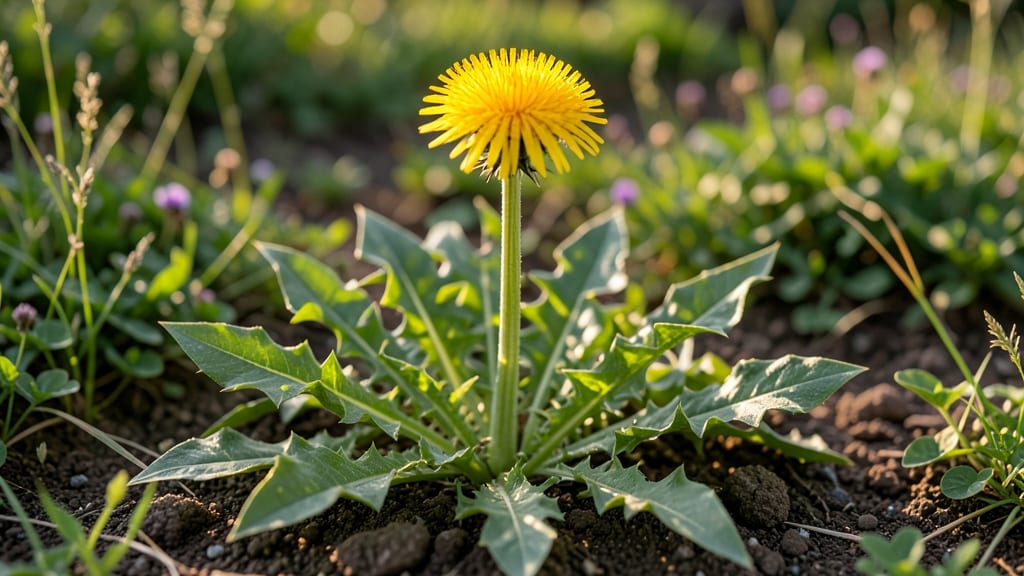
Those stubborn little yellow flowers popping up in your lawn? 🌱 They’re not just weeds—they’re a sign your turf needs a quick reset. I’ve battled dandelions, clover, and chickweed for years, and I’ve found the fastest way to reclaim your grass in 24 hours without harsh chemicals.
The key is knowing which flowers are actually helping your lawn (yes, some are!) and which ones are stealing nutrients from your grass.
Most yellow-flowered weeds—like dandelions—thrive in thin, compacted soil where grass struggles. They spread fast, leaving behind bare spots that invite more weeds.
But here’s the good news: a simple combo of pulling (when soil is moist), spot-treating with vinegar or corn gluten, and overseeding can turn your lawn around in just a weekend. No heavy machinery or expensive treatments needed.
By the end of the day, you’ll have a lawn that looks thicker, greener, and weed-free—no more apologizing to neighbors for that patchy yard. The secret? Timing, the right tools, and knowing which yellow flowers to keep (like wildflowers for pollinators) and which to banish.
Let’s get started with the foolproof method that actually works.
Works for any lawn type—cool-season grasses, warm-season, or even shady patches. The same principles apply whether you’re dealing with a small backyard or a larger yard. Here’s how to spot the difference between helpful and harmful yellow blooms and tackle them for good.
The Hidden Triggers Behind Them
Those cheerful little yellow blooms popping up in your lawn aren’t just a random nuisance—they’re nature’s way of signaling something’s off with your grass. Understanding the root causes helps you tackle the problem faster and keep your lawn lush. Here’s why they appear, broken down into the most common culprits:
If your lawn stays soggy for days after rain or watering, you’ve created the perfect conditions for microclover, creeping buttercup, or other yellow-flowered weeds. These plants thrive in wet, compacted soil because they outcompete grass for oxygen and nutrients.
Why it happens:
- Grass roots suffocate: Too much moisture cuts off oxygen to grass roots, weakening them while weeds like dandelions (yes, they’re technically weeds!) send deep taproots to grab water and nutrients.
- Soil compaction: Heavy foot traffic or machinery compresses soil, preventing water from draining. Weeds with shallow roots (like chickweed) take advantage of this by spreading quickly in the damp top layer.
- Fungal feasts: Standing water encourages fungal growth, which can kill grass but leaves gaps for yellow-flowered weeds to move in.
Actionable fix: Test your soil’s drainage by digging a 6-inch hole, filling it with water, and timing how long it takes to drain. If it’s slower than 6 hours, amend with sand or compost to improve aeration. Water deeply but infrequently—aim for 1–1.5 inches per week—and avoid walking on wet grass.
Ironically, yellow flowers often appear in lawns that get too much direct sunlight. While grass needs light to grow, extreme heat or drought forces it into dormancy, leaving bare patches for weeds like henbit or prostrate spurge to invade.
Why it happens:
- Grass goes dormant: When soil temperatures exceed 85°F (29°C), grass stops growing to conserve moisture. Weeds, which have shallow, heat-tolerant roots, fill the void.
- Thatch buildup: A thick layer of dead grass (thatch) insulates the soil, trapping heat and preventing water from reaching roots. This creates a microclimate where weeds like clover thrive.
- Nutrient burn: In hot conditions, grass struggles to absorb nitrogen, turning yellow and weak—while weeds like dandelions actually store nutrients for survival.
Actionable fix:
- Mow higher: Set your lawnmower to 3–4 inches to shade the soil and retain moisture.
- Water early: Apply deep watering before 10 AM to reduce evaporation and heat stress.
- Aerate in summer: Use a core aerator to break up thatch and improve airflow to roots.
Yellow flowers often pop up when your lawn is starving for key nutrients or suffering from chemical imbalances. For example, clover (yes, it’s a flower!) appears in nitrogen-poor soil because it fixes its own nitrogen through root bacteria—a superpower grass lacks.
Why it happens:
| Nutrient Deficiency | Weed Invaders | Grass Reaction |
|---|---|---|
| Low nitrogen (N) | Clover, henbit | Pale yellow grass, stunted growth |
| High phosphorus (P) | Dandelions, chickweed | Dark green weeds, weak grass roots |
| Low potassium (K) | Creeping buttercup | Yellow edges on blades, poor drought resistance |
Actionable fix: Get a soil test (kits cost ~$20) to check pH and nutrient levels. If nitrogen is low, apply a slow-release fertilizer (like milorganite) in early spring. For high phosphorus, avoid bone meal or superphosphate and opt for compost tea instead.
A thin lawn is an open invitation for yellow flowers. Whether from over-mowing, pests, or disease, gaps let weeds establish quickly. For example, plantain and spurge spread aggressively in bare spots because they germinate in disturbed soil.
Why it happens:
- Scalping grass: Mowing too short (below 2 inches) exposes soil to sunlight, encouraging weed seeds to germinate.
- Pest damage: Grubs, chinch bugs, or fungal diseases (like brown patch) kill grass in patches, leaving room for weeds.
- Slow seed germination: If you overseed but don’t keep soil moist for 2–3 weeks, weeds like crabgrass outcompete new grass.
Actionable fix:
- Mow high: Keep grass at 3–4 inches to shade out weeds.
- Overseed bare spots: Use a high-quality grass seed mix and cover with straw mulch to retain moisture.
- Treat pests early: Apply beneficial nematodes for grubs or neem oil for fungal issues.
Don’t blame yourself—80% of lawn weeds come from wind-blown seeds, pet fur, or even construction sites nearby. Dandelions, for example, can produce 200+ seeds per plant, each designed to travel up to 5 miles on the breeze.
Why it happens:
- Wind dispersal: Seeds from dandelions, chickweed, and plantain hitch rides on gusts, landing in your lawn’s weak spots.
- Animal hitchhikers: Dog fur, bird droppings, and even construction equipment can transport seeds.
- Dormant seeds: Many weed seeds lie dormant in soil for years until disturbed (e.g., aeration, tilling) or
Quick fixes for stubborn lawn blooms
Those little yellow flowers popping up in your lawn might seem like a lost cause, but with the right approach, you can reclaim your grass in a snap—even in just 24 hours! The key is identifying the root cause (literally and figuratively) and tackling it with targeted solutions.
Below, we’ve broken down the most common culprits and the fastest, easiest fixes to banish them for good.
If your lawn is soggy or waterlogged, yellow-flowered weeds like creeping Charlie or buttercups thrive in damp conditions. Here’s how to dry things out and discourage their growth:
🔥 Step 1: Test Your Soil’s Moisture
- Stick your finger 2-3 inches into the soil. If it’s damp but not soaked, you’re overwatering.
If it’s bone-dry, you may have underwatering (which also stresses grass). - Pro Tip: 💡 Use a moisture meter or the "squeeze test"—grab a handful of soil. If water drips out, cut back on watering.
🍳 Step 2: Adjust Your Watering Schedule
- Water deeply 2-3 times per week (early morning, 6-10 AM) instead of daily light sprinkles.
- Aim for 1 inch of water per week (including rain).
Use a rain gauge or tuna can to measure. - Fix drainage issues by aerating compacted soil or installing a French drain if water pools in spots.
👨🍳 Step 3: Smother Weeds with a Pre-Emergent
- Apply a pre-emergent herbicide (like corn gluten meal) in early spring to block weed seeds.
- For existing weeds, spot-treat with vinegar + dish soap (90% vinegar, 10% soap) for organic control.
If your grass is sparse or soil is hard as a rock, weeds move in like uninvited guests. Loosen the soil and thicken the grass to crowd them out:
⏰ Step 1: Aerate Like a Pro
- Rent a core aerator (or hire a pro) to pull small soil plugs, letting air, water, and nutrients reach roots.
- Best time: Late summer or early fall when grass is actively growing.
🔪 Step 2: Overseed Bare Spots
- Choose fast-growing grass seed (like ryegrass for cool seasons or Bermuda for warm climates).
- Spread seed evenly, then top with a thin layer of compost (¼ inch) to protect it.
- Pro Tip: ✨ Keep soil moist for 10-14 days—use a light misting spray to avoid washing seeds away.
🎯 Step 3: Feed Your Grass
- Apply a slow-release fertilizer (10-0-10 or similar) to strengthen grass roots.
- For organic options, use compost tea or fish emulsion every 4-6 weeks.
Piles of leaves, twigs, or thatch create a cozy hideout for weed seeds. A quick cleanup prevents future blooms:
🌿 Step 1: Rake Aggressively
- Use a bow rake to remove all debris, especially in shady or low-traffic areas where weeds love to hide.
- Bonus: Bag and compost leaves—don’t just blow them into the street!
🌡️ Step 2: Reduce Thatch Buildup
- If your lawn has a thatch layer thicker than ½ inch, dethatch with a vertical mower or rake.
- Prevention: 💡 Mow high (3-4 inches) to shade out weeds and reduce thatch.
🔥 Step 3: Solarize Problem Areas
- For stubborn weeds, cover the area with clear plastic sheeting for 4-6 weeks in hot sun. The heat will kill weeds and seeds.
- Remove plastic, then overseed or resod.
If you’ve tried everything and still see yellow flowers popping up, a strategic herbicide might be your last resort. But do it right to avoid harming your grass:
🎯 Step 1: Identify the Weed
- Dandelions? Use a selective herbicide like 2,4-D (early spring or fall).
- Clover or chickweed? Try iron-based herbicides (like Iron X) for organic control.
- Creeping Charlie? Spot-treat with trimec or a vinegar mix (for small areas).
💡 Step 2: Apply at the Right Time
- Best window: Early morning or late evening when temps are below 85°F and no rain is forecast for 24 hours.
- Avoid: Applying herbicides if kids or pets frequent the lawn for 48 hours.
🌱 Step 3: Rebuild Your Lawn
- After treating, overseed and fertilize to fill in bare spots.
- Prevention: 🔥 Apply corn gluten meal in early spring to prevent weed seeds from germinating.
Once you’ve banished the yellow invaders, lock them out with these low-maintenance habits:
- 📊 Mow high (3-4 inches) to crowd out weeds and retain moisture.
- 💪 Water deeply but infrequently—encourage deep roots that outcompete weeds.
- 🍎 Feed your lawn seasonally (spring: nitrogen; fall: potassium).
- 🌡️ Aerate and overseed every 1-2 years to keep grass thick.
- 🎯 Pull weeds early—before they seed, a quick tug (or vinegar spray) saves time!
With these fixes, your lawn can go from weedy eyesore to lush green paradise in no time. And the best part? Most solutions take less than an hour and require minimal effort. Now grab your tools—your grass is waiting!
Frequently asked questions
Are those little yellow flowers actually weeds or could they be helpful plants?
Some yellow flowers are weeds like dandelions or chickweed, while others like clover or wildflowers can actually benefit your lawn! Clover adds nitrogen to the soil, and wildflowers support pollinators. Always check the leaf structure—weeds often have jagged edges, while beneficial plants have smoother leaves.
Why do these flowers keep coming back even after I pull them?
Many yellow-flowered weeds (like dandelions) have deep taproots that store nutrients, allowing them to regrow from tiny root fragments. Plus, one mature dandelion can produce 200+ seeds that stay dormant in soil for years! Pull weeds when soil is moist and use a hoe to cut roots deeper than 4 inches.
Is vinegar safe to use on my lawn for yellow flowers?
Vinegar (90% acetic acid) kills weeds but can also harm grass if used incorrectly. For spot treatment, mix 1 part vinegar + 1 part water + 1 tsp dish soap and apply only to weeds on dry days. Avoid using it if your lawn has broadleaf plants or if rain is forecast within 24 hours.
How can I tell if my lawn needs aeration or just better watering?
Do the "finger test": Stick your finger 3 inches into the soil. If it feels hard or water pools after rain, aeration is needed. If it's dry or crumbly, adjust your watering—aim for 1 inch per week (including rain) and water deeply 2-3 times per week in early morning.
Will corn gluten meal prevent yellow flowers from returning next year?
Yes! Corn gluten meal is a natural pre-emergent that blocks weed seeds from germinating. Apply 20 lbs per 1,000 sq ft in early spring (before weeds appear) and again in fall. It also provides slow-release nitrogen to strengthen your grass—just avoid using it if you plan to overseed within 2 weeks.