
Lawn
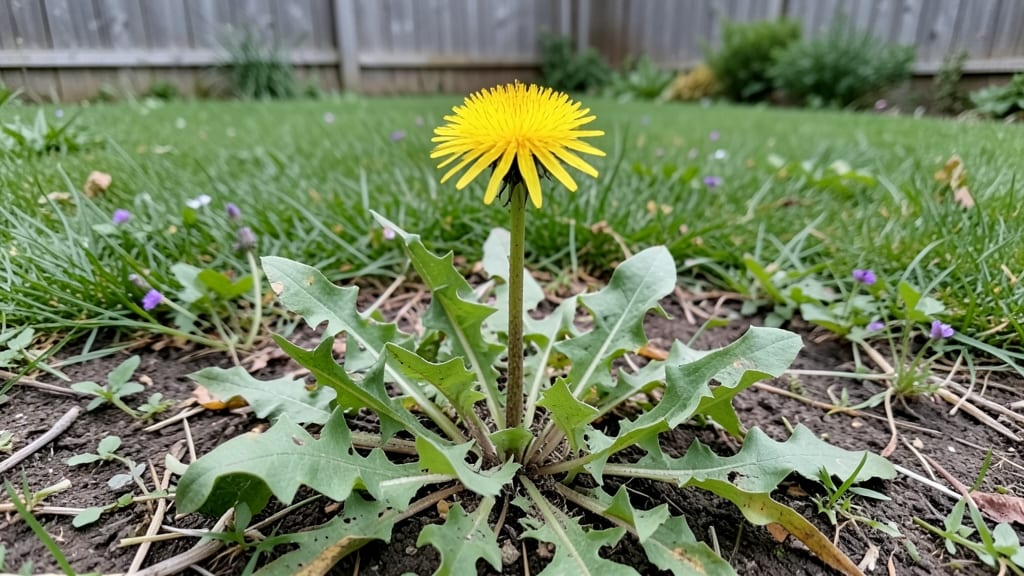
Those stubborn purple-flowered weeds creeping into your grass aren't just unsightly—they're stealing nutrients from your lawn. 🌿 I've battled clover, chickweed, and henbit in my own yard, and I've learned which organic methods actually work without harming the grass you want to keep.
The key is knowing which weeds you're dealing with first.
Most purple-flowered weeds spread because they thrive where grass struggles—shady spots, compacted soil, or lawns that haven't been fed properly. Chickweed loves cool weather, clover fixes nitrogen (which can actually help your lawn), and henbit pops up in early spring.
The good news? Each responds to different removal tactics that won't leave your yard bare.
You'll end up with a lawn that stays green and dense, not just weed-free. The secret is a combination of proper mowing height, targeted spot treatments, and soil improvements that give your grass the edge. No more patchy purple blooms taking over—just thick, healthy turf that crowds out weeds naturally.
Works for any lawn type, from sunny backyards to shady patches where weeds love to move in. Let's get your grass back to looking like the pride of your neighborhood—not a weed buffet.
Common Causes Of Purple Blooms
Seeing vibrant purple flowers sprouting in your grass can be frustrating, but understanding the root causes helps you tackle the issue effectively. These weeds thrive due to a mix of environmental factors, lawn care habits, and even seasonal changes.
Below, we break down the science behind why these unwanted blooms appear and how they exploit your lawn’s weaknesses.
🌱 Poor Soil Conditions Create Weed Havens
Purple-flowered weeds like henbit, chickweed, or clover often invade lawns with nutrient-poor, compacted, or overly moist soil. Here’s why:
- Lack of organic matter: Healthy grass roots compete for nutrients, but when soil is depleted (low in nitrogen, phosphorus, or potassium), weeds like henbit seize the opportunity. These weeds thrive in thin, patchy grass where sunlight reaches the soil directly.
- Compaction from foot traffic or heavy equipment: Compacted soil reduces oxygen flow to grass roots, weakening them. Weeds with shallow roots (like purple deadnettle) fill the gaps because they don’t need deep soil penetration to survive.
- Improper pH levels: Soil that’s too acidic (pH below 6.0) or alkaline (pH above 7.5) stresses grass but allows weeds to flourish. Purple-flowered weeds often prefer slightly acidic conditions, making them persistent in unbalanced soil.
Actionable fix: Test your soil’s pH and nutrient levels (kits are available at garden centers). Amend with compost or a balanced fertilizer to restore grass vitality and crowd out weeds naturally.
☀️ Overwatering Or Irregular Watering Patterns
Watering habits play a huge role in weed proliferation. Purple-flowered weeds often dominate lawns with:
- Excessive moisture: Weeds like chickweed and henbit love damp conditions. Overwatering (or poor drainage) creates a soggy environment where grass struggles, but weeds thrive. Their seeds germinate quickly in moist soil, giving them a head start.
- Inconsistent watering: Skipping watering sessions or letting grass dry out completely creates stress. When you finally water deeply, weeds like clover (which fixes nitrogen in soil) take advantage of the sudden moisture boost.
- Early morning watering: Watering lawns in the morning can lead to prolonged dampness, inviting weeds. Evening watering is often worse, as moisture lingers overnight.
Actionable fix: Water deeply but infrequently (1–1.5 inches per week, including rain). Use a rain gauge or tuna can to measure. Water early morning (before 10 AM) to allow grass to dry by evening, reducing weed seed germination.
✂️ Lawn Care Neglect Or Over-Mowing
Grass that’s too short or not maintained properly leaves openings for weeds to invade. Purple-flowered weeds exploit these gaps:
- Cutting grass too short: Mowing below 2–3 inches weakens grass, exposing bare soil where weeds like henbit or dandelions (with purple stems) can sprout. Shorter grass also struggles to shade out weed seeds.
- Infrequent mowing: Tall grass blocks sunlight, but when you finally mow, the sudden exposure can trigger a flush of weed growth as seeds lying dormant in the thatch germinate.
- No dethatching or aeration: A thick layer of thatch (dead grass buildup) smothers roots and traps moisture, creating a perfect environment for weeds. Purple-flowered weeds often thrive in these conditions.
Actionable fix: Mow regularly at the high end of your grass type’s recommended height (e.g., 3–4 inches for cool-season grasses). Aerate and dethatch in early fall to improve soil health and reduce weed-friendly microclimates.
🌿 Seasonal Timing And Seed Germination
Many purple-flowered weeds are cool-season invaders, meaning they germinate in early spring and fall when temperatures dip. Here’s how timing affects their spread:
- Spring and fall germination: Weeds like henbit and chickweed time their growth cycles with mild, moist conditions. Their seeds remain dormant in summer heat but burst to life when soil temperatures drop below 70°F.
- Winter weed survival: Some purple-flowered weeds (like creeping charlie) go dormant in summer but re-emerge in cooler months, taking over thin or dead patches of grass.
- Disturbed soil triggers germination: Activities like aerating, overseeding, or even digging can bring buried weed seeds to the surface, prompting them to sprout.
Actionable fix: Preemptively apply a natural corn gluten meal (a non-toxic pre-emergent) in early fall to prevent weed seeds from germinating. Hand-pull weeds in spring before they set seed, and avoid excessive soil disturbance in late summer/fall.
By addressing these underlying causes—soil health, watering habits, mowing practices, and seasonal timing—you can starve out purple-flowered weeds and restore a lush, green lawn without harsh chemicals. The key is consistency and proactive care!
How to solve it
Seeing those vibrant purple blooms popping up in your grass isn’t just an eyesore—it’s a sign your lawn needs a little TLC. The good news? You don’t need harsh chemicals to reclaim your yard.
Below, we break down the most effective, eco-friendly solutions tailored to the root causes of purple-flowered weeds. From quick fixes to long-term strategies, these methods will help you restore a lush, weed-free lawn without breaking the bank or harming the environment.
###
🌱 Cause 1: Thin or Patchy Grass → Fix with Overseeding
Weeds thrive where grass struggles to grow. If your lawn has bare spots or thin patches, purple-flowered weeds like henbit or chickweed will take over. The fix? Overseeding—a simple process that fills gaps and crowds out weeds naturally.
- 🔥 Step 1: Prepare the Soil
Mow your lawn short (about 1–1.5 inches) to expose the soil. Use a rake or a lawn aerator to loosen compacted areas. This helps seeds make better contact with the earth.
- 🍳 Step 2: Choose the Right Grass Seed
Pick a seed blend suited to your climate and lawn type (cool-season or warm-season). For most regions, a mix of fescue, ryegrass, or bluegrass works well. Look for "weed-resistant" varieties if possible.
- 👨🍳 Step 3: Spread and Water
Sprinkle seeds evenly over the lawn, then lightly rake to ensure they’re covered with a thin layer of soil (about ¼ inch). Water gently but frequently—keep the soil moist for the first 2–3 weeks until germination.
- ⏰ Step 4: Maintain Consistency
Once new grass sprouts, gradually reduce watering to encourage deep root growth. Avoid heavy foot traffic on the area for at least 4–6 weeks.
💡 Pro Tip: Overseed in early fall or spring when temperatures are mild and weeds are less aggressive. This gives your grass a competitive edge!
###
💦 Cause 2: Overwatering or Poor Drainage → Fix with Smart Irrigation
Purple-flowered weeds like spotted knapweed or mallow often appear in soggy or overly moist areas. If your lawn stays damp for too long, you’re creating the perfect breeding ground for weeds. The solution? Adjust your watering habits and improve drainage.
- 🌡️ Step 1: Check Your Watering Schedule
Most lawns only need 1–1.5 inches of water per week, including rainfall. Water deeply but infrequently—early morning is best to reduce evaporation and fungal risks. Use a rain gauge or tuna can to measure accurately.
- 🔪 Step 2: Improve Soil Drainage
If your lawn has low spots or clay soil, amend it with compost or sand to improve aeration. For severe drainage issues, consider installing a French drain or redirecting water away from problem areas.
- 🎯 Step 3: Test Your Soil
Use a DIY soil test kit to check pH and moisture levels. Aim for a pH of 6.0–7.0. If your soil is too acidic, add lime; if it’s alkaline, use sulfur.
- ✨ Step 4: Mulch Strategically
Apply a 2–3 inch layer of mulch around garden beds (but keep it away from the grass) to retain moisture without suffocating your lawn. Organic mulches like wood chips or straw break down over time, improving soil structure.
💡 Pro Tip: Install a smart sprinkler system or soaker hoses to deliver water efficiently. Avoid sprinklers that create puddles—this wastes water and encourages weeds!
###
🌿 Cause 3: Compacted Soil → Fix with Aeration
Heavy foot traffic, pets, or machinery can compact your soil, making it hard for grass roots to thrive. When soil compacts, weeds like dandelions or clover (which often have purple hues) sneak in. The fix? Aeration—a game-changer for reviving your lawn.
- 🔥 Step 1: Rent or Buy an Aerator
Manual spike aerators (like garden fork tools) work for small lawns, but for larger areas, rent a core aerator from a hardware store. These machines pull small soil plugs, creating holes that loosen compacted layers.
- 🍳 Step 2: Aerate at the Right Time
Do this in early fall or spring when the soil is slightly moist but not soggy. Avoid aerating if the ground is frozen or waterlogged.
- 👨🍳 Step 3: Top-Dress with Compost
After aerating, spread a ¼-inch layer of compost over the lawn. This adds nutrients and helps soil particles bind together, improving structure. Lightly rake it in.
- ⏰ Step 4: Water and Monitor
Water the lawn thoroughly after aerating to help the soil settle. Avoid heavy traffic on the area for a few days to let the holes close naturally.
💡 Pro Tip: If you have a sand-based soil, mix in some peat moss or coconut coir during aeration to improve water retention without compacting further.
###
🌍 Cause 4: Weeds Already Established → Fix with Manual Removal
If purple-flowered weeds have already taken root, don’t despair—you can pull or smother them out without chemicals. The key is consistency and timing.
- 🔪 Step 1: Pull by Hand (Best for Small Patches)
Wait until the soil is moist (after rain or watering) to make pulling easier. Grasp the weed at the base and tug gently but firmly. For deep-rooted weeds like bindweed, use a dandelion weeder tool to avoid breaking the root.
- 🌡️ Step 2: Smother with Mulch or Cardboard
Cover weed-infested areas with cardboard or thick layers of mulch to block sunlight. Weeds need light to grow—deprive them of it for 4–6 weeks, then overseed the area. Avoid plastic sheets, as they can suffocate soil and harm grass.
- 🎯 Step 3: Use Vinegar Spray (Spot Treatment Only)
For stubborn weeds, mix 1 gallon of white vinegar + 1 cup dish
Frequently asked questions
What are the most common purple-flowered weeds in grass?
The most frequent offenders include henbit, chickweed, clover, and creeping charlie. Henbit thrives in cool weather with purple flowers, while chickweed has small star-shaped blooms. Clover forms dense patches with tiny purple flowers, and creeping charlie spreads aggressively with purple stems.
Are purple-flowered weeds harmful to my lawn?
Most purple-flowered weeds aren't toxic, but they compete with grass for nutrients, water, and sunlight. Clover can actually benefit soil by fixing nitrogen, but weeds like henbit and chickweed spread rapidly, creating thin, patchy lawns. The real issue is their ability to take over when grass is weak.
Can I just mow over purple-flowered weeds?
Mowing alone won't eliminate weeds—it just cuts off their flowers before they seed. For best results, combine mowing with proper lawn care: keep grass at 3-4 inches tall, fertilize regularly, and address soil compaction. Weeds like henbit will keep coming back if underlying conditions aren't fixed.
What's the fastest way to remove established purple-flowered weeds?
For small patches, hand-pull weeds when soil is moist (after rain or watering). For larger areas, smother with thick cardboard or mulch for 4-6 weeks to block sunlight. Spot-treat stubborn weeds with a vinegar solution (1 gallon vinegar + 1 cup dish soap), but avoid this on desirable plants.
Will fertilizing my lawn prevent purple-flowered weeds?
Fertilizing helps, but it's not a magic fix—you need the right approach. Use a balanced fertilizer (like 10-10-10) in early fall to strengthen grass roots. Combine this with proper mowing height (3-4 inches) and regular watering to crowd out weeds naturally. Weeds thrive where grass is weak, not where it's well-fed.