
Diseases
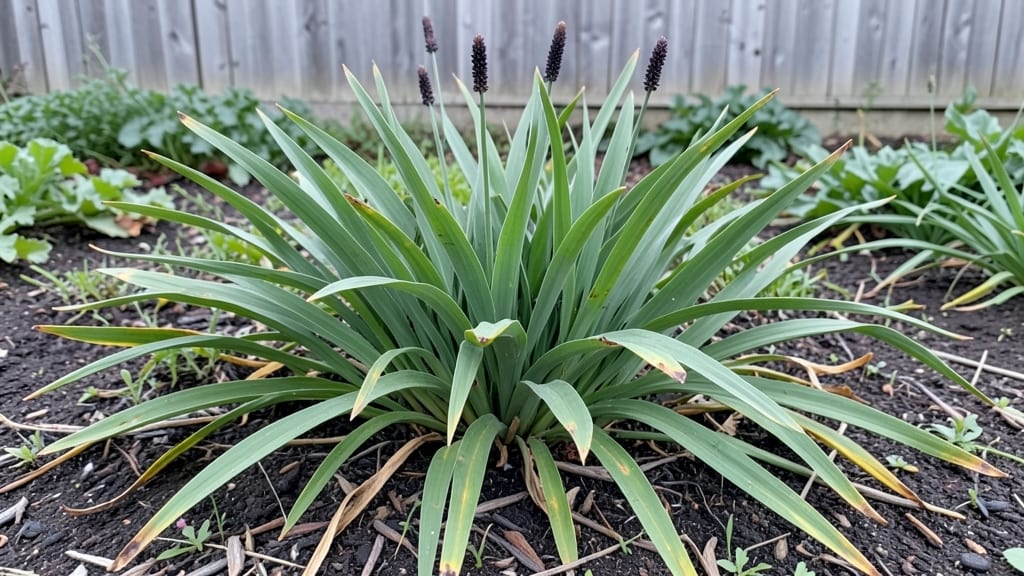
Monkey grass turning yellow can happen in a flash—one morning it’s lush, the next it’s a sad, straw-colored mess. 🌱 I’ve nursed my fair share of yellowing Liriope muscari back to vibrant green, and the fixes are faster than you’d think.
Most of the time, it’s not a mystery disease but simple care adjustments that make all the difference.
Overwatering or underwatering are the top culprits, but nutrient deficiencies and pests sneak in too. Check the soil first—if it’s soggy, your grass is drowning; if it’s bone-dry, it’s thirsty. Yellowing edges often mean too much water, while crispy tips point to underwatering.
Look for other clues: slimy stems could mean fungal issues, while tiny holes might be pests like grubs munching away.
Here’s the good news: most yellowed monkey grass recovers in 2-3 weeks with the right tweaks. Adjust your watering schedule, feed it a balanced fertilizer, and trim back dead fronds.
Within days, you’ll see fresh green shoots pushing through—proof your plant just needed a little TLC. The key is acting fast before the problem spreads.
Once you’ve revived it, keep it thriving with monthly feeding in spring and fall, mulch to lock in moisture, and watch for early signs of stress. That way, your monkey grass stays the neighborhood’s envy—dense, green, and healthy year-round. Let’s get those blades back to their best!
Root Causes Behind Yellowing Monkey Grass
When your Dichondra repens (monkey grass) starts turning yellow, it’s usually a cry for help from the plant itself. Understanding the underlying causes is the first step toward restoring its vibrant green hue.
Below, we break down the most common reasons—from environmental stressors to hidden pests—with clear explanations and actionable insights.
💧 Overwatering or Poor Drainage
Monkey grass thrives in well-drained soil, and excess moisture is its arch-nemesis. When roots sit in soggy conditions, they suffocate, leading to anaerobic stress and yellowing leaves. This is especially common in:
- Clay-heavy soil: Compacted clay traps water, preventing oxygen from reaching roots.
- Overpotted plants: Containers without drainage holes act like sponges, drowning roots.
- Frequent watering: Monkey grass prefers dry soil between waterings—think of it as a drought-tolerant succulent’s cousin.
🔍 What to watch for: Yellowing starts at the leaf tips or edges, often paired with a mushy texture or foul odor from the soil.
☀️ Sunburn or Insufficient Light
Monkey grass is adaptable but has limits. Too much direct sun (especially in hot climates) causes oxidative damage, while too little light weakens photosynthesis, leading to pale, yellowed foliage.
- Sunburn symptoms:
- Crispy, bleached-yellow edges on leaves exposed to harsh afternoon sun.
- Leaves may curl or scorch like paper left in sunlight.
- Light deficiency symptoms:
- Uniform pale yellowing across entire leaves (etiolation).
- Leggy, thin stems as the plant stretches toward light.
💡 Pro tip: Aim for partial shade (4–6 hours of filtered light daily). In hot zones, dappled sunlight under trees is ideal. If indoors, place near a bright, east-facing window.
🍄 Fungal Diseases: The Silent Invaders
Fungal pathogens like Rhizoctonia or Pythium thrive in damp conditions, causing root rot and leaf yellowing. These diseases block nutrient uptake, leading to:
- Yellowing between leaf veins (a classic sign of nutrient starvation).
- Black or brown spots on stems or leaves.
- Mushy roots when pulled from the soil (a red flag!).
🔥 How it spreads: Overhead watering, poor airflow, or planting in contaminated soil. Fungi love humidity + stagnant water—like a buffet for microscopic invaders.
🐛 Pest Pressure: Tiny Thieves Stealing Nutrients
Sap-sucking pests like spider mites, aphids, or scale insects pierce leaves, disrupting chlorophyll production. Their damage often appears as:
- Stippled yellowing (tiny white/yellow dots on leaves).
- Sticky residue (honeydew) on foliage (a sign of aphids).
- Webbing on undersides of leaves (spider mites’ handiwork).
🕵️♂️ Inspect closely: Use a magnifying glass to check leaf undersides and stems. Pests thrive in dry, dusty conditions, so misting (lightly!) can deter them.
🌡️ Temperature or Soil pH Imbalances
Monkey grass prefers moderate temperatures (60–80°F) and slightly acidic to neutral soil (pH 6.0–7.0). Stress from extremes can trigger yellowing:
| Cause | Symptoms | Fix |
|---|---|---|
| Cold shock (<40°F) | Yellowing spreads from leaf margins inward; growth stalls. | Move to a protected spot or use frost cloth in winter. |
| Alkaline soil (pH >7.0) | Yellowing with purplish stems (iron/chlorosis). | Amend soil with peat moss or sulfur to lower pH. |
| Heat stress (>90°F) | Wilting + yellowing even with adequate water. | Provide afternoon shade and mulch to retain moisture. |
📊 Test your soil: A simple pH test kit (under $10) can reveal imbalances before they cause irreversible damage.
Each of these causes has a distinct "fingerprint" in how your monkey grass yellows. Next up: We’ll dive into how to diagnose the exact issue and quick fixes to bring back that lush green growth. 🌿
Fixing Yellow Monkey Grass: Step-by-Step Solutions
If your monkey grass (or Liriope muscari) is turning yellow, don’t panic—it’s often a fixable issue! Below are targeted solutions based on the most common causes, along with simple prevention tips to keep your grass lush and green. Let’s get your yard back in shape! 🌱✨
🔥 Overwatering or Poor Drainage
Yellowing leaves from excess water or soggy soil can suffocate roots and invite fungal diseases. Here’s how to fix it:
- ⏰ Reduce watering: Water deeply but only when the top 1–2 inches of soil are dry. Monkey grass prefers moderate moisture—overwatering is a common culprit!
- 🏗️ Improve drainage: Amend heavy clay soil with compost or sand to help water drain faster. If your yard floods easily, consider raised beds or planting in well-draining areas.
- 🌡️ Check for root rot: Gently dig around the base to inspect roots. If they’re mushy or black, trim the affected parts and repot or replant in fresh, dry soil.
💡 Prevention tip: Plant monkey grass in areas with good airflow and avoid compacted soil. Mulch lightly (1–2 inches) to retain moisture without smothering roots.
🌞 Underwatering or Drought Stress
Brown or yellow patches from dry soil are usually a sign your monkey grass isn’t getting enough water. Here’s how to revive it:
- 💧 Increase watering frequency: Water at the base (not overhead) 1–2 times per week during dry spells. Aim for 1 inch of water per week, including rainfall.
- 🌱 Deep watering: Water slowly until the soil is moist 6 inches down. This encourages deep root growth and drought resistance.
- 🌿 Trim dead fronds: Snip off yellowed or crispy leaves to redirect energy to healthy growth.
💡 Prevention tip: Group monkey grass with other drought-tolerant plants to minimize water waste. Drip irrigation or soaker hoses work best for consistent moisture.
☀️ Too Much Sun or Heat Stress
Monkey grass can scorch in intense heat or full-sun exposure, especially in hot climates. Try these fixes:
- 🌳 Provide afternoon shade: If possible, move potted plants to a shadier spot or use shade cloth (30–50%) during peak sun hours (11 AM–3 PM).
- 💦 Mulch heavily: Apply 2–3 inches of organic mulch (like shredded bark) to retain moisture and cool roots.
- 🌿 Prune for airflow: Trim back dense foliage to improve circulation and reduce heat buildup.
💡 Prevention tip: Choose shade-tolerant varieties (like Liriope spicata) if your yard gets harsh afternoon sun. Avoid planting in south-facing beds without protection.
🍄 Fungal Diseases or Pests
Yellowing leaves with black spots, wilting, or chewed edges often signal fungal infections (like leaf spot) or pests (e.g., scale insects). Act fast with these solutions:
- 🧼 Treat with fungicide: Spray affected plants with a copper-based or neem oil fungicide (follow label instructions). For severe cases, repeat every 7–10 days.
- 🐜 Remove pests: Wipe leaves with soapy water (1 tsp mild dish soap per gallon of water) to dislodge scale or aphids. For stubborn infestations, use horticultural oil.
- 🌱 Improve growing conditions: Space plants 12–18 inches apart to reduce humidity and fungal spread. Avoid overhead watering.
💡 Prevention tip: Water in the morning to let foliage dry quickly. Remove and destroy infected leaves promptly to stop the spread.
🌱 Nutrient Deficiencies
Yellowing, especially on older leaves, may indicate a lack of nitrogen or other essential nutrients. Boost your monkey grass with these fixes:
- 🌿 Fertilize in spring: Apply a balanced, slow-release fertilizer (10-10-10 or 20-20-20) in early spring. Follow package rates—over-fertilizing can burn roots!
- 🍂 Add compost: Mix 1–2 inches of compost into the topsoil around the base. This replenishes organic matter and improves soil structure.
- 💧 Flush the soil: If you suspect salt buildup from fertilizers, water thoroughly to leach excess salts from the root zone.
💡 Prevention tip: Test your soil every 2–3 years to monitor pH and nutrient levels. Monkey grass thrives in slightly acidic to neutral soil (pH 6.0–7.0).
❄️ Cold or Winter Damage
Yellowing after winter often means frost or cold stress. Here’s how to revive it:
- 🌡️ Wait for warm weather: New growth may not appear until soil temperatures rise above 50°F (10°C). Be patient!
- 🌱 Prune dead fronds: Cut back brown, mushy leaves to encourage fresh growth. Avoid cutting into healthy green tissue.
- 🏡 Protect from late frosts: Cover young plants with frost cloth if late freezes are forecasted in your area.
💡 Prevention tip: In colder climates, mulch heavily (3–4 inches) before winter to insulate roots. Choose cold-hardy varieties like Liriope muscari for better resilience.
With these targeted fixes, your monkey grass should bounce back to its vibrant green in no time. Monitor its progress and adjust care as needed—your yard will thank you! 🌿🎉
Frequently asked questions
Why does my monkey grass turn yellow in patches instead of all at once?
Patchy yellowing usually signals localized stress. Check for fungal infections (like leaf spot) or pest infestations (such as grubs or mites) in those specific areas. Overwatering or poor drainage in one spot can also cause roots to suffocate, leading to yellow patches while other parts stay green.
Can I save my monkey grass if the yellowing has spread to most of the leaves?
Yes, but act fast! Trim away all yellowed fronds and adjust care immediately—reduce watering if soil is soggy, or increase it if the soil is bone-dry. Apply a balanced fertilizer to replenish nutrients, and check for pests or disease. With proper care, new green shoots should emerge in 2-3 weeks.
Is yellowing monkey grass always a sign of a serious problem?
Not necessarily! Mild yellowing can simply mean nutrient depletion or seasonal stress. If the rest of the plant looks healthy and new growth is green, it’s likely just a temporary issue. Focus on spring feeding and proper watering to revive it. Only worry if yellowing spreads rapidly or is paired with wilting or spots.
How often should I fertilize monkey grass to prevent yellowing?
Feed your monkey grass once in early spring and again in early fall with a balanced, slow-release fertilizer (like 10-10-10). Over-fertilizing can burn roots and cause yellowing, so follow package instructions carefully. For potted plants, use half the recommended dose to avoid salt buildup.
Will yellow monkey grass grow back green if I cut it all the way down?
No—never cut healthy green tissue! Trim only the dead or yellowed fronds to encourage regrowth. Cutting too aggressively stresses the plant and can prevent recovery. Instead, focus on fixing the root cause (water, light, nutrients) while letting the plant regenerate naturally.