
Plants
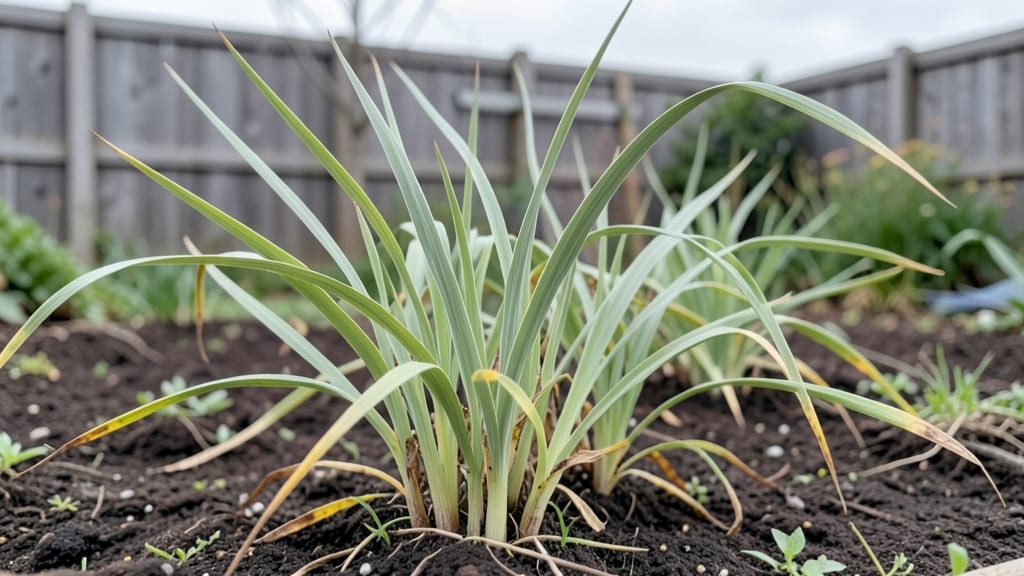
Growing lemon grass shoots from scraps is the easiest way to keep this fragrant herb alive all year—no garden or green thumb required.
Did you know you can regrow lemon grass from scraps in just 2 weeks—even without roots? This simple gardening hack saves money, reduces waste, and keeps your kitchen stocked with fresh 🌿 lemon grass year-round.
All you need is a glass of water, a sunny windowsill, and a few inches of the tough, grassy stalks you’d normally toss. Whether you’re a beginner or a seasoned gardener, this method turns kitchen scraps into lush, aromatic plants faster than you’d expect.
Below, I’ll walk you through the exact steps to root your shoots, the best conditions for rapid growth, and how to avoid common pitfalls like yellowing leaves or slow development. By the end, you’ll have a steady supply of homegrown lemon grass for curries, teas, and more.
How to regrow lemon grass shoots from scraps in 2 weeks
Regrowing lemon grass shoots from scraps is one of the easiest and most rewarding gardening hacks you can try. All you need is a 3-inch piece of the base with a few healthy leaves—no roots required!
This method works perfectly for kitchen scraps that would otherwise end up in the compost. With just a little patience, you'll have fresh lemon grass ready for cooking or replanting in about two weeks.
Lemon grass thrives in warm, humid conditions and grows quickly when given the right care. The key to success lies in maintaining consistent moisture, providing bright indirect light, and keeping the environment warm.
Whether you're a beginner or an experienced gardener, this step-by-step guide will help you grow lemon grass shoots like a pro, even in a small space like a windowsill.
- 1 Select the right scrap: Choose a 3-inch piece of lemon grass with 2-3 healthy leaves at the top. Trim just above a leaf node for best results.
- 2 Prepare the container: Place the scrap in a small glass or jar with 1-2 inches of water. Ensure only the base is submerged—never the leaves—to prevent rot.
- 3 Place in bright, indirect light: Set the container near a south-facing window or under a grow light for 6-8 hours daily. Avoid direct sun, which can scorch tender shoots.
- 4 Change water every 2-3 days: Use room-temperature water to avoid shocking the plant. Refresh the water to prevent bacterial growth and keep roots oxygenated.
- 5 Watch for root growth: In 5-7 days, you'll see white roots forming at the base. Once roots are 1-2 inches long, it's time to transplant.
- 6 Transplant to soil: Plant the rooted shoot in a 4-inch pot with well-draining potting mix. Water lightly and place in bright, indirect light for 3-5 days to acclimate.
- 7 Harvest in 2 weeks: Once the plant reaches 12-18 inches tall, trim the outer stalks for cooking. Leave the inner shoots to regrow for continuous harvests.
For best results, maintain a warm environment (above 60°F) and avoid drafts. If your kitchen stays cool, consider using a heat mat under the container to speed up root development.
Lemon grass is a fast-growing herb, so with proper care, you'll have fresh shoots ready in just two weeks—no store-bought plants needed!
This method also works for propagating multiple shoots at once. Simply repeat the process with additional scraps in separate containers. Once established, you can divide the plant to create even more lemon grass for your garden or kitchen. It’s a zero-waste way to keep your herb garden thriving year-round.
If you notice the leaves turning yellow or the water becoming cloudy, it’s a sign of rot or bacterial growth. In this case, trim the affected parts and refresh the water immediately. Keeping your setup clean is key to healthy root development and fast regrowth.
Once your lemon grass shoots are established, you can transplant them into the ground or larger pots. They’ll continue growing for months, providing a fresh supply of this versatile herb. Plus, the process is so simple that even busy gardeners can keep their kitchen stocked with
Best water and light conditions for fast lemon grass regrowth
Lemon grass shoots thrive when given the right balance of water and light. Too much water causes rot, while too little stunts growth. The key is maintaining consistent moisture and providing bright, indirect light for optimal shoot development.
I’ve found that indoor regrowth works best near a south-facing window or under a grow light.
For watering, aim to keep the soil evenly moist but never soggy. Lemon grass roots are sensitive to waterlogging, which can lead to yellowing leaves or fungal issues.
A simple trick I use is the finger test: stick your finger an inch into the soil—if it feels dry, it’s time to water. Adjust frequency based on your climate; humid environments may require less water than dry indoor air.
Light is just as critical as water for fast regrowth. Lemon grass shoots need bright, indirect sunlight to prevent stretching or weak stems. If growing indoors, place your container near a south-facing window or use a grow light for 10-12 hours daily. Direct sunlight can scorch young shoots, so avoid placing them in harsh midday rays unless acclimated gradually. Humidity plays a surprising role in shoot health. Lemon grass thrives in 60-70% humidity, which is common in tropical climates. If your home is dry, try placing a humidity tray with pebbles and water beneath the pot. Mist the leaves lightly in the morning to mimic natural dew, but avoid wetting the leaves at night to prevent fungal growth. This simple step can double your regrowth speed! Watch for signs of stress like yellowing leaves or drooping shoots, which often signal overwatering or insufficient light. Adjust your care routine immediately—lemon grass is resilient but needs quick fixes to bounce back. With the right balance of water, light, and humidity, you’ll see vibrant new shoots in just 2 weeks. For best results, combine these conditions with a well-draining soil mix and a warm environment. I’ve regrown lemon grass successfully in both kitchen windows and outdoor pots, but consistency is key. Stick to this routine, and you’ll enjoy fresh lemon grass year-round without buying new plants!
Condition
Specification
Notes
Water Frequency
Every 2-3 days
Adjust for humidity; less in high humidity
Light Exposure
6-8 hours daily
Bright, indirect light preferred
Humidity Level
60-70%
Use a humidity tray if indoors
Container Size
Small to medium
Ensure drainage holes
Temperature Range
70-85°F
Avoid drafts or cold spots