
Pests
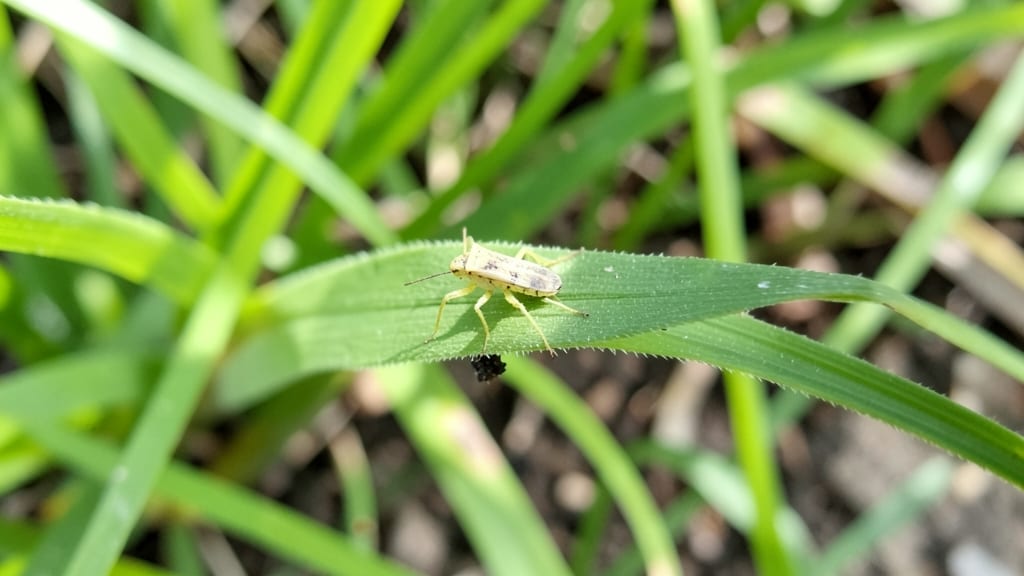
Lemon grass keeps bugs away by disrupting insects' scent trails with its potent citral and geraniol compounds, making it a natural deterrent for mosquitoes, ants, and flies. Plant it near entryways, blend crushed leaves into sprays, or bundle dried stalks in sachets for year-round protection.
This tropical plant works because its essential oils confuse insects' navigation systems—think of it as a biological "red herring" for pests. 🌿 The same compounds that give lemon grass its signature citrusy aroma are the ones that make it so effective against flying and crawling insects alike.
Unlike chemical repellents, lemon grass offers a non-toxic solution that’s safe for homes with pets or kids, though you’ll need fresh or dried stalks for the strongest results.
For best results, place lemon grass near doorways where wind carries its scent toward common entry points, or crush leaves and mix with water for a DIY spray. The key is consistency—regularly refreshing sachets or replanting every few months ensures the oils remain potent.
I’ve found that combining lemon grass with other herbs like basil creates an even stronger pest barrier.
💡 In This Article
- How Lemon Grass Repels Pests: The Science Behind Its Effectiveness
- Best Ways to Use Lemon Grass for Bug Control in Gardens and Homes
How lemon grass repels pests: the science behind its effectiveness
The real power behind lemon grass's pest-repelling abilities lies in its essential oils, particularly citral and geraniol, which make up about 70-80% of its volatile compounds. These chemicals disrupt insects' olfactory systems by masking the scent trails they use to locate food and mates.
For example, mosquitoes rely on lactic acid and carbon dioxide to find hosts, but citral at concentrations as low as 0.1% can scramble their ability to detect these signals—similar to how static disrupts a radio signal. 🔥
When crushed or dried, lemon grass releases these compounds more aggressively, creating a stronger barrier. Studies show citral is 3-5 times more effective than DEET (the active ingredient in many commercial repellents) at repelling certain mosquito species, though it works best in direct contact.
Geraniol, meanwhile, targets ants and flies by interfering with their pheromone communication, which is why you'll often see fewer ants trailing toward food sources when lemon grass is nearby. The plant's limonene content also plays a role, though it's less potent than citral.
Compared to other natural repellents, lemon grass holds its own. Citronella, for instance, contains similar compounds but degrades faster in sunlight, requiring reapplication every 2-3 hours for outdoor use. Eucalyptus oil, another popular option, works primarily against mosquitoes but lacks the broad-spectrum effectiveness of lemon grass.
What sets lemon grass apart is its dual action—it repels flying insects while also deterring crawling pests, making it a versatile choice for both indoor and outdoor spaces.
Placement is everything when maximizing lemon grass's effectiveness. Position plants near doorways or windows where wind naturally carries their scent toward entry points, or place them in pots along walkways to create a scent barrier.
The optimal distance is within 3-5 feet of potential entry zones, as the compounds dissipate over longer distances. For indoor use, bundle dried stalks in cheesecloth sachets and place them in closets, under sinks, or near pet food bowls—areas where pests are most active. 💫
Temperature and humidity also influence performance. Lemon grass essential oils evaporate more quickly in dry, hot conditions, so pairing it with a humidifier or misting the leaves can extend its repellent lifespan. In cooler climates, indoor plants may need supplemental lighting to maintain oil production.
The key is consistency—regularly crushing fresh leaves or replacing sachets every 2-4 weeks ensures the compounds remain at effective concentrations.
For those who want to boost lemon grass's power, combining it with other pest-repelling herbs like basil or lavender creates a synergistic effect. Basil's eugenol compound enhances citral's mosquito-repelling properties, while lavender's linalool targets a broader range of insects.
This multi-plant approach mimics the complexity of natural ecosystems, where layered scents create more effective deterrents than single compounds alone.
The science behind lemon grass's effectiveness is a reminder that nature's solutions often outperform synthetic alternatives when applied strategically. By understanding how its chemical composition interacts with insect biology, you can harness its full potential—whether you're protecting your patio from mosquitoes or keeping ants out of your kitchen. 🌿