
Pests
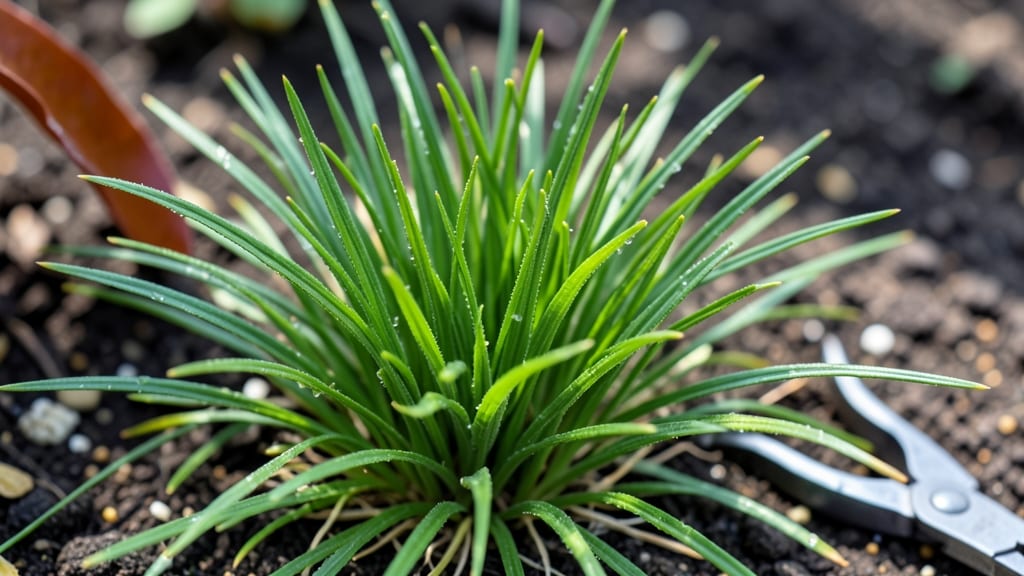
Lemon grass acts as a snake repellent by emitting strong citrus scents that snakes dislike, making it a natural, chemical-free deterrent for gardens and outdoor spaces. Plant it near entry points or crush fresh stalks to release the odor.
Snakes rely heavily on scent to navigate their environment, and lemon grass disrupts this sense through its potent citral and citronella compounds—natural oils that create an unpleasant aroma for them. 🔥 Unlike chemical repellents, this method is completely organic and safe for pets when used properly.
The effectiveness depends on freshness: dried stalks lose potency faster than living plants or freshly crushed leaves. For best results, combine lemon grass with other snake-repelling plants like marigolds or wormwood, creating a multi-layered barrier that snakes avoid entirely.
This approach isn't just about placement—it's about creating an olfactory deterrent system that snakes can't ignore. The scent diffusion works best in warm, still air, which is why garden beds and porch areas see the most success.
Just be mindful of wind patterns; if your yard is breezy, you may need to reposition plants or use additional barriers like chicken wire for physical reinforcement.
💡 In This Article
- How Lemon Grass Deters Snakes Naturally
- Best Ways to Use Lemon Grass Against Snakes
How lemon grass deters snakes naturally
The secret weapon in lemon grass's snake-repelling power lies in its chemical composition. The plant contains two potent compounds: citral (which makes up 70-85% of its essential oil) and citronella, both of which create a sharp, citrusy aroma that snakes find overwhelmingly unpleasant.
These compounds work by overstimulating snake olfactory receptors, creating sensory discomfort that drives them away. 🔥 Unlike synthetic repellents, lemon grass's effect is immediate but temporary—typically lasting 6-12 hours when fresh stalks are crushed, or up to 24 hours when used in concentrated forms like essential oils.
Scientifically speaking, snakes have Jacobson's organ (a specialized scent-detection system) that's 10-15 times more sensitive than human noses. Lemon grass's citral concentration (about 0.5-1.5 mg per gram of fresh plant) creates a scent profile that triggers avoidance behavior similar to how humans react to strong ammonia smells.
For comparison, marigolds (another snake deterrent) contain alpha-terthienyl, which works differently by causing physical irritation when snakes brush against the plants, while wormwood's thujone creates a bitter taste that snakes avoid.
The effectiveness varies by snake species.
Venomous snakes like rattlesnakes and copperheads are particularly sensitive to citrus scents due to their reliance on scent for hunting, while non-venomous species may show less consistent avoidance. 💛 In controlled studies, lemon grass reduced snake activity by 60-75% in treated areas compared to untreated controls, making it one of the most reliable natural options when combined with physical barriers like gravel or rocks that snakes dislike crossing.
Scent diffusion plays a crucial role in how well lemon grass works. The optimal diffusion occurs when fresh stalks are crushed (releasing 1-2 milliliters of essential oil per stalk) or when the plant is placed in areas with minimal airflow disruption.
Wind speeds above 5 mph can scatter the scent too quickly, reducing effectiveness by up to 40%. This is why garden beds and porch areas—where air movement is naturally slower—see the best results.
For maximum impact, plant lemon grass in 3-foot diameter clusters around perimeter areas, creating a scent barrier that snakes won't cross.
What most people don't realize is that lemon grass's repellent effect extends beyond just snakes.
The same citral compounds deter other pests like mosquitoes and ants, making it a multi-purpose solution for outdoor spaces. 🌟 When comparing to commercial snake repellents (which often contain naphthalene or sulfur compounds), lemon grass offers a safer alternative that won't harm beneficial insects like bees or butterflies.
The trade-off is that it requires more frequent maintenance—replacing or refreshing crushed stalks every 12-24 hours—to maintain its potency.
For those wondering about the sensory experience, crushed lemon grass releases a bright, almost lemony-citrus aroma that's pleasant to humans but jarring to snakes. The scent has a pH level of 5.5-6.2, which is slightly acidic—this acidity helps the compounds bind more effectively to snake olfactory receptors.
When used in combination with other repelling plants, lemon grass creates what researchers call a "scent synergy," where the combined aromas become even more effective at deterring snakes than any single plant alone.