
Plants
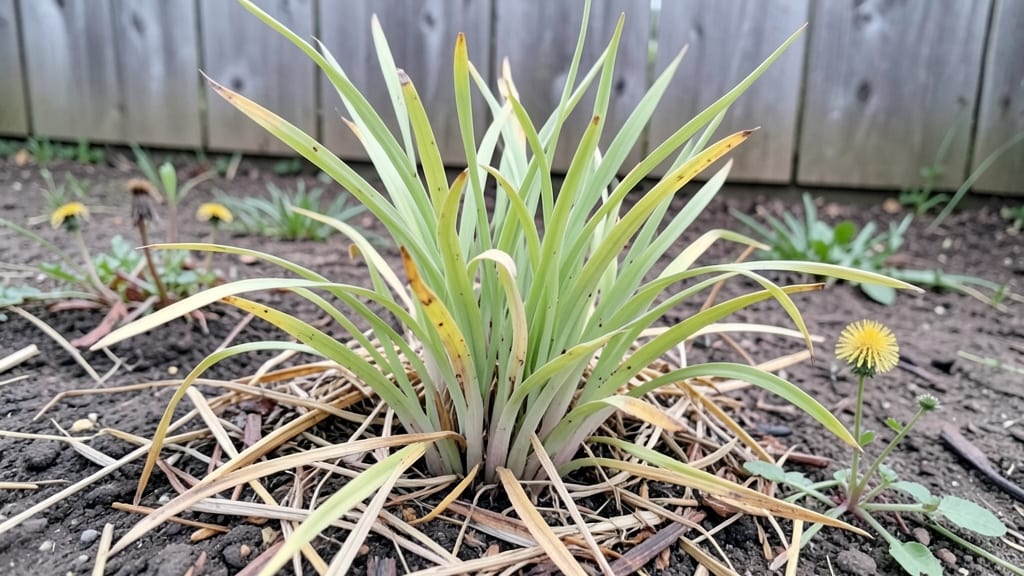
Lemon grass hardiness depends on USDA zones 9-11 for optimal growth, but it can endure short cold snaps down to 25°F (-4°C) with protective measures. Prolonged freezing below this threshold will kill the plant, though proper winter strategies like mulching or potted overwintering can revive it in warmer seasons.
Lemon grass is a tropical plant that struggles outside its native warm climates, but its resilience shines when you know the right tricks. 🌿 The key to survival lies in protecting its root system—frost damages the crown and leaves first, while the roots can withstand brief chills if insulated properly.
For gardeners in colder zones, transitioning lemon grass to containers before winter or wrapping pots in burlap adds an extra layer of defense against temperature swings.
What sets lemon grass apart from other tropical plants is its ability to regrow from the base if the roots stay intact. This makes it far more forgiving than many assume—with the right preparation, you can keep it alive through winter and enjoy fresh harvests come spring.
The trade-off? It requires more attention than hardy perennials, but the aromatic payoff is worth the effort.
💡 In This Article
- Lemon Grass Cold Tolerance Limits Explained
- Protecting Lemon Grass from Winter Chill
Lemon grass cold tolerance limits explained
Lemon grass's cold tolerance hinges on its tropical origins, where temperatures rarely dip below 60°F (15°C). The plant's survival threshold sits at 25°F (-4°C)—this is where the leaves begin to blacken from frost damage, but the root system can still recover if protected.
Here's what's happening: frost first crystallizes the moisture in the leaf cells, rupturing their membranes and causing irreversible damage to the foliage. The roots, however, contain more water-resistant compounds and can endure brief chills if insulated.
The critical difference between 25°F (-4°C) and 20°F (-6°C) is cellular dehydration. At 20°F (-6°C), ice formation accelerates, drawing water out of root cells and causing them to collapse.
This is why subtropical varieties (like Cymbopogon citratus) fare slightly better—they've evolved slight cold tolerance adaptations, though they still struggle compared to hardy perennials. Tropical varieties, meanwhile, show visible damage at 30°F (-1°C) or lower, with leaves turning brown and brittle within hours of exposure.
What most gardeners miss is how wind exacerbates cold damage. A still night at 25°F (-4°C) might spare your plants, but 10 mph winds can drop the effective temperature by 5-10°F, pushing your lemon grass into lethal territory.
This is why mulching with 6-8 inches of straw or leaves creates a 5°F warmer microclimate at the soil level—critical for root survival. The science here involves thermal conductivity: organic mulch traps heat radiated from the earth while preventing rapid temperature swings.
Container-grown lemon grass offers another advantage: portability. Potted plants can be moved to sheltered spots or wrapped in bubble wrap to add 10-15°F of protection. The key is keeping the soil from freezing entirely—frozen soil blocks oxygen flow to roots, causing suffocation.
This is why gardeners in USDA Zone 8 often bury pots in straw bales or move them indoors before 32°F (0°C) arrives. The trade-off? Containers dry out faster in winter, so moisture retention becomes just as critical as insulation.
For those pushing limits in Zone 7 or colder, consider the Cymbopogon winterianus variety—its thicker stalks and denser foliage show marginally better cold recovery. However, even these won't survive unprotected below 20°F (-6°C).
The real secret lies in timing: harden off plants in fall by gradually reducing water (to toughen cell walls) and applying mulch before the first 40°F (4°C) night. This pre-conditioning can extend survival by 5-7°F beyond the baseline threshold.
Here's the hard truth: lemon grass isn't a cold-hardy plant, but its resilience lies in its ability to regenerate.
If you protect the crown (where leaves meet roots) during winter, you'll often see new shoots emerge by spring—proof that the root system can survive far colder than the foliage suggests. This makes it uniquely adaptable compared to other tropical herbs that die back completely.