
Lawn
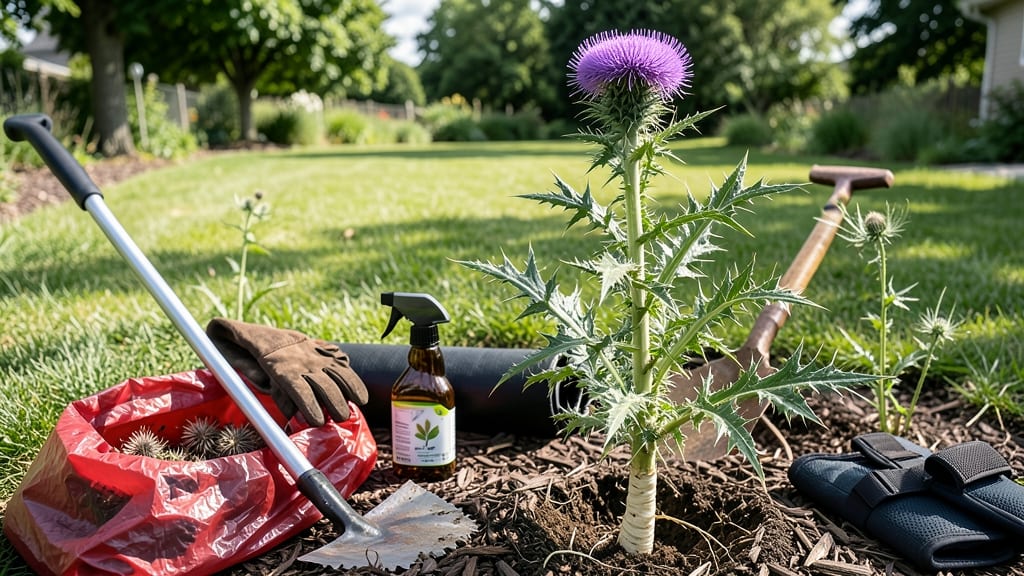
Thistles in your lawn are like stubborn weeds with spiky armor—once they take root, they’re nearly impossible to ignore. 🌱 I’ve battled these prickly invaders for years, and I’ve learned the fastest way to banish them for good starts with a little elbow grease and the right tools.
The key is acting before they spread their deep taproots, which can make them nearly indestructible if left unchecked.
You’ll need a few essentials: a sturdy garden fork or dandelion digger (for deep roots), a pair of heavy-duty gloves (trust me, you’ll need them), and either a pre-emergent herbicide or a natural alternative like vinegar-based spray. The good news?
Manual removal works best in early spring or fall when the soil is soft, and you can pull them out whole—no regrowth. For larger infestations, a targeted herbicide like glyphosate (applied carefully) can speed up the process dramatically.
Within just a few weeks, your lawn will look smoother and more uniform, with no more painful steps on spiky intruders. The secret is consistency—check for new sprouts regularly, especially in sunny, dry patches where thistles love to thrive.
Once you’ve cleared them, overseeding with a thick, healthy grass mix will help keep them from returning.
This method works year-round, though spring and fall are ideal for minimal regrowth. If you’re dealing with a small patch, manual removal is your best bet—no chemicals needed. For larger areas, combine both approaches for the fastest, most reliable results. Let’s get that lawn back to looking effortlessly lush!
📚 In This Guide
- What you need
- Instructions
- Tips and common mistakes
- Wrapping up and next steps
What you need
- ● Garden gloves – Heavy-duty, long-cuffed gloves (1 pair) to protect your hands from thistle spines.
- ● Thistle diggers or weeding tools – Look for a forked or claw-style tool (1-2) for deep extraction.
- ● Hand trowel – For smaller thistles or tight spaces (1).
- ● Pruning shears or loppers – For cutting thick stems (if thistles are large) (1 pair).
- ○ Garden fork – Optional but helpful for loosening stubborn roots (1).
- ● Trash bags or compost bin – For disposal or repurposing thistle debris (1-2 bags or access).
- ● Hoe or lawn rake – To clear debris and prep the lawn afterward (1).
- ● Vinegar-based herbicide – For spot treatment (1 gallon spray bottle) (e.g., 20% acetic acid).
- ● Corn gluten meal – Natural pre-emergent (5 lbs) to prevent regrowth.
- ● Knee pads – For comfort during long sessions.
- ● Lawn seed & fertilizer – To reseed bare spots after removal.
Step-by-Step instructions for removing thistles from your lawn
Here’s how I tackle thistles quickly—without chemicals or endless digging.
🪴 Step 1: Gather Your Tools and Work at the Right Time
Thistles are toughest when they’re young, so grab a pair of long-handled garden gloves and a sharp gardening fork or dandelion weeder. I always work on a dry, sunny day—moist soil makes thistles slippery and harder to pull. The roots break easily when the ground is firm, so avoid muddy conditions.
Wear long sleeves and pants too—thistle spines cling to fabric and can be painful. If you’re dealing with a large patch, a lawn rake with sturdy tines helps loosen the soil first. The key is patience: thistles regrow from even tiny root fragments, so you’ll want to remove the whole taproot in one piece.
✂️ Step 2: Cut or Mow Thistles Before They Seed
If thistles have already gone to seed, your first move should be to cut them down to 1 inch above ground level with a string trimmer or lawnmower. This prevents seed heads from spreading across your lawn. I like to do this in late summer or early fall—just before they drop seeds but after they’ve stopped flowering.
For smaller patches, use heavy-duty scissors or a pruning shear. Bag the cuttings immediately and dispose of them in the trash (not the compost). A single thistle plant can produce 1,000+ seeds, so stopping this step is critical. If you miss this, you’ll be fighting thistles for years.
💧 Step 3: Pull or Dig Out the Entire Root System
Now for the real work: removing the roots. Insert the fork or weeder 2-3 inches from the thistle stem and pry down hard to loosen the taproot. Thistles have deep, fibrous roots—you’ll feel resistance as you work. Grab the base of the plant and pull upward with a twisting motion. The root should come out in one clean piece.
If the root snaps off, dig deeper to find the remaining piece. Even a 1-inch fragment can regrow into a new thistle. I always check the soil around the hole for broken pieces—this is where most regrowth happens. For stubborn thistles, soak the area with water first to soften the soil and make pulling easier.
☀️ Step 4: Prevent Regrowth With Vinegar or Salt (Optional)
After pulling, you can kill any remaining root fragments by applying a mix of 1 gallon white vinegar, 1 cup salt, and 1 tablespoon dish soap directly to the hole. This creates a natural herbicide that breaks down quickly and won’t harm your grass. I like to do this on a hot, sunny day—the solution works best when it can evaporate quickly.
For large patches, a corn gluten meal pre-emergent applied in early spring can prevent new thistles from sprouting. Just spread it evenly over the lawn with a broadcast spreader. It’s non-toxic and breaks down naturally, but it won’t kill existing thistles—so combine it with pulling for best results.
⏰ Step 5: Monitor and Retreat as Needed
Thistles often return if their roots aren’t fully removed. Check the same spots every 2-3 weeks for new growth—you’ll spot them as small rosettes of leaves close to the ground. Pull these immediately before they get taller. Over time, your lawn will fill in with grass, making it harder for thistles to take hold.
For stubborn areas, repeat the vinegar treatment every 4-6 weeks during the growing season. I’ve found that consistency is key—thistles are persistent, but so am I. After a season of diligent pulling, most lawns stay thistle-free with just occasional spot treatments.
Tips & tricks for fast thistle removal
These battle-tested strategies will help you eliminate thistles efficiently without wasting time or energy.
Timing is Everything: Target thistles when they're young and small—before they develop deep roots and seed heads. I usually tackle them in early spring or late fall when they're less aggressive. The key is to catch them before they reach that 1-inch height mentioned in Step 2, when they're still manageable. This prevents the seed-spreading nightmare that makes thistles so persistent.
Tool Selection Matters: A sharp dandelion weeder or garden fork is your best friend for Step 3, but don't underestimate the power of a sturdy lawn rake for Step 1. I've found that a rake with 3-4 inch tines works best for loosening soil before pulling. The wider the tines, the easier it is to pry out those stubborn roots without breaking them. For stubborn thistles, try a screwdriver—its narrow point can help dig out deep root fragments that regular tools miss.
Regrowth Prevention: After pulling, don't just leave holes in your lawn—fill them with fresh grass seed or topsoil to prevent new thistles from taking root. I always keep a small bag of grass seed in my gardening toolkit for this purpose. The vinegar treatment in Step 4 works wonders, but only if applied immediately after pulling. The solution should cover the entire hole completely—don't be stingy with the mix. For extra insurance, I like to sprinkle a thin layer of corn gluten meal over treated areas in early spring.
Safety First: Thistle spines are no joke—they can penetrate gloves and cause painful irritation. I've learned this the hard way! Always wear long sleeves, pants, and closed-toe shoes when working. For extra protection, I've started using a lightweight, breathable coverall over my regular clothes. And here's a pro move: keep a small bottle of rubbing alcohol handy to clean any spines that get on your skin—they sting less when cleaned immediately.
Pro Tips for Get Rid Of Thistles In Lawn
- These battle-tested strategies will help you eliminate thistles efficiently without wasting time or energy.
- Timing is Everything: Target thistles when they're young and small—before they develop deep roots and seed heads.
- Tool Selection Matters: A sharp dandelion weeder or garden fork is your best friend for Step 3, but don't underestimate the power of a sturdy lawn rake for Step 1.
Frequently asked questions
Got questions about banishing thistles from your lawn?
You’re not alone! Here are answers to the most common concerns—so you can tackle those pesky weeds like a pro.
How do I know if my lawn has thistles?
Thistles (like Cirsium or Sonchus) have spiky, jagged leaves and tall, flowering stems. Look for purple or yellow flowers or prickly seed heads—they’re easy to spot once you know what to watch for! Pull one to confirm: thistles have deep, taproots that resist shallow uprooting.
When is the best time to remove thistles?
Target thistles early in their life cycle—before they flower (spring to early summer). Young plants are easier to pull by hand or spray with herbicide. Fall is also ideal: thistles weaken after producing seeds, making them simpler to uproot. Avoid treating in drought conditions—soil stress can reduce herbicide effectiveness.
Will vinegar or boiling water kill thistles?
Yes! For small patches, household vinegar (20-30% acetic acid) or boiling water can work—but they’re not foolproof. Spray vinegar directly on leaves (avoid grass) on a sunny day for best results. Boiling water is faster but requires precision. For large areas, glyphosate-based herbicides are more reliable.
Why do thistles keep coming back after I pull them?
Thistles have deep taproots—even a tiny fragment left in the soil can regrow! Always dig deep (3-4 inches) when pulling or use a dandelion weeder to break roots. For stubborn patches, reapply herbicide or smother with cardboard/mulch to block sunlight.
Can I mow over thistles to kill them?
Mowing alone won’t kill thistles—but it can weaken them over time. Cut them low and often to deplete energy reserves, then follow up with manual removal or herbicide. Pro tip: Mow in dry conditions to avoid spreading seeds with the clippings.
Are thistles harmful to pets or kids?
Most thistles are non-toxic, but their spines can irritate skin or paws. Wear gloves when pulling, and keep pets away until the area is clear. Milk thistles (a different plant) are safe but not the invasive weeds you’re dealing with—so no need to panic!
Wrapping up and next steps
Getting rid of thistles in your lawn doesn’t have to be a battle—just a strategic cleanup! Whether you’re digging them out, pulling with tools, or using natural remedies, consistency is key.
Start small, stay persistent, and soon your lawn will be thistle-free, lush, and the envy of the neighborhood! 🌱
Ready to reclaim your lawn? Pick your method, grab your tools, and get to work—your perfect yard is just a few steps away! Review the supplies list before you begin to ensure you’re fully prepped.