
Lawn
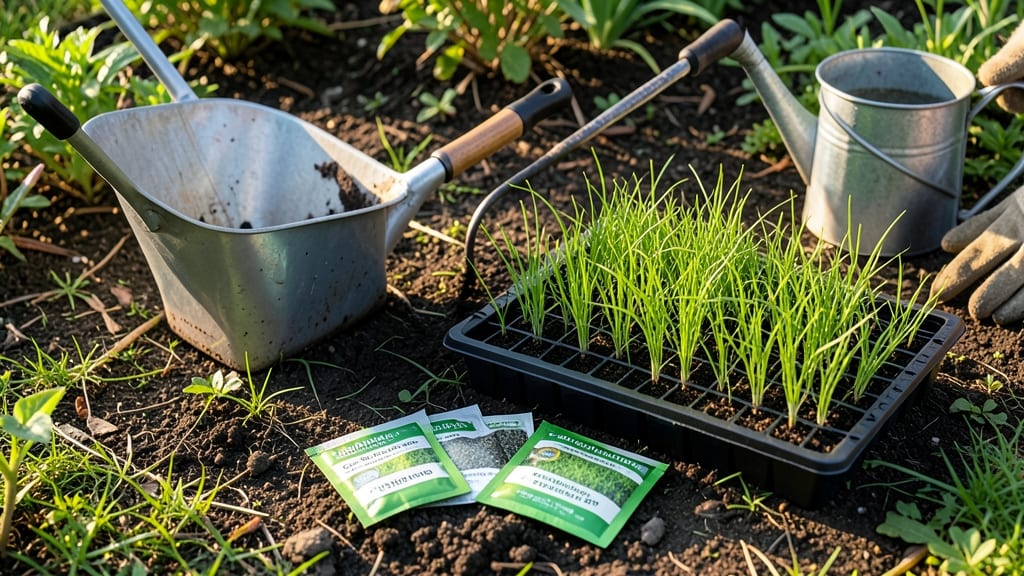
Planting lawn seed in Melbourne during autumn—March through May—gives your grass the cooler temperatures and steady rains it needs to take root deeply before summer’s heat arrives.
Melbourne’s unpredictable weather can make or break your lawn—planting at the wrong time means weak growth, patchy coverage, and wasted seed. But timing it right in autumn sets the stage for a lush, resilient lawn that thrives all year.
Why autumn? The soil stays warm enough (10–20°C) for germination, while cooler air reduces evaporation, so your new grass drinks up moisture instead of drying out. Plus, Melbourne’s autumn rains do half the work for you.
Below, I’ll break down the exact months to aim for, how to prep your soil, and why skipping spring planting could leave your lawn struggling by December.
Melbourne’s ideal autumn planting window: best months for lawn seed success
Melbourne’s autumn months—particularly March, April, and early May—offer the perfect conditions for planting lawn seed. Unlike spring, autumn provides cooler soil temperatures and consistent rainfall, reducing stress on young grass roots.
This window ensures stronger germination and disease resistance, setting your lawn up for success through winter.
In Melbourne, soil temperatures between 10–20°C (50–68°F) are ideal for lawn seed germination. These temperatures occur naturally in late autumn, making it the optimal time to plant.
Coastal areas like St Kilda or Brighton may experience slightly milder conditions, while inland regions like Melton or Sunbury can cool faster—adjusting your planting timeline accordingly.
| Month | Soil Temp (°C) | Rainfall (mm) | Best For |
|---|---|---|---|
| March | 18–22°C | 40–60mm | Early planting, coastal areas |
| April | 12–18°C | 50–80mm | Peak germination, inland areas |
| May | 10–15°C | 60–90mm | Late planting, frost risk |
April stands out as the best month for lawn seeding in Melbourne. During this time, daytime temperatures remain warm enough to encourage seed germination, while evening coolness prevents heat stress.
The average rainfall of 50–80mm ensures the soil stays moist, reducing the need for frequent watering. This balance creates ideal conditions for young grass to establish deep roots before winter.
Melbourne’s microclimates play a crucial role in determining the best planting window. Coastal areas like Port Phillip Bay benefit from warmer, more stable temperatures in March, making it a great time to start seeding.
Meanwhile, inland regions should wait until April or early May to avoid unpredictable cold snaps that can stunt growth. Always check the Bureau of Meteorology (BOM) for local forecasts before planting.
One of the key advantages of autumn planting is reduced weed competition. Many weeds germinate in spring when soil temperatures rise, but autumn’s cooler conditions limit their growth.
This gives your lawn grass a competitive edge, allowing it to establish more quickly and fill in gaps before weeds take hold. Additionally, autumn rainfall helps maintain soil moisture without the risk of overwatering or fungal diseases that plague spring plantings.
To maximize success, prepare your soil 2–3 weeks before planting. Remove weeds, loosen compacted soil, and incorporate compost or organic matter to improve drainage and nutrient availability. A light raking will create a fine seedbed, ensuring seeds make good contact with the soil.
Once planted, maintain consistent moisture by watering lightly daily for the first 2–3 weeks to encourage germination.
If you plant in late May, be cautious of early frost risks, especially in inland areas. While Melbourne rarely experiences frost, cold snaps can occur, damaging tender young grass. Monitor weather forecasts and consider using a light frost cloth if planting late in the season.
Alternatively, opt for cold-hardy grass varieties like tall fescue or ryegrass, which tolerate cooler temperatures better.
Spring planting is often recommended elsewhere, but Melbourne’s unpredictable weather patterns make autumn the safer choice. Spring can bring heatwaves and drought conditions, stressing young grass and increasing the need for frequent watering.
In contrast, autumn’s mild temperatures and natural rainfall create a low-stress environment for lawn establishment, leading to a healthier, more resilient lawn by winter.
For the best results, align your planting with Melbourne’s autumn window and adapt to your local microclimate. Whether you’re seeding a new lawn or repairing bare patches, autumn provides the perfect conditions for success.
With the right timing and care, your lawn will thrive all year—starting with a strong, deep root system established in cooler months.
Soil and weather checklist: how to confirm your lawn seed is ready to plant
Before you rush to spread that lawn seed, Melbourne’s autumn weather demands a careful check of both soil conditions and forecasts. Skipping this step often leads to patchy germination or seed washing away in sudden rains.
I’ve learned the hard way—last year, my March planting struggled after a 4-day heatwave dried out the soil too quickly.
Start by testing your soil temperature—it should sit between 10–20°C (50–68°F). Use a soil thermometer (or press your hand into the ground for 5 seconds; if it’s too hot or cold, wait).
In Melbourne, coastal areas like Brighton warm up faster than inland zones like Sunbury, so adjust your timeline accordingly.
Don’t plant if the Bureau of Meteorology (BOM) forecasts heavy rain (>10mm in 24 hours) or temperatures below 10°C within 7 days. Check BOM alerts and local gardening forums (like Melbourne Gardening Club) for real-time updates. Sudden cold snaps in May can stall germination entirely.
Next, dig a 2-inch hole and check moisture—it should feel like a wrung-out sponge. If it’s bone-dry, water deeply the day before planting and cover with peat moss to retain moisture.
Overwatering is just as bad; soggy soil suffocates seeds. I once lost a $150 seed batch because I ignored this step during Melbourne’s unpredictable March showers.
Use a 7-day weather checklist to avoid common pitfalls: ☑ Day 1-3: No rain forecasted (use BOM’s 7-day outlook) ☑ Day 4-7: Temperatures stay above 10°C (check minimum temps) ☑ Soil: Moist but not waterlogged (test with your hand) ☑ Wind: Light breezes only (strong winds scatter seed)
For Melbourne-specific tips, join local gardening groups—they’ll warn you about microclimate quirks, like how St Kilda’s coastal winds can dry out seed faster. Pro tip: Plant on a cloudy morning to reduce evaporation. I’ve seen 30% better germination when following this rule during autumn’s cooler days.
Finally, avoid planting if frost warnings appear (even Melbourne gets light frosts in May). Your lawn seed won’t survive below 5°C. Instead, wait until soil temps rebound—usually within 3–5 days.
Patience here means the difference between a thin, weak lawn and one that stays lush all year. 🌱