
Lawn
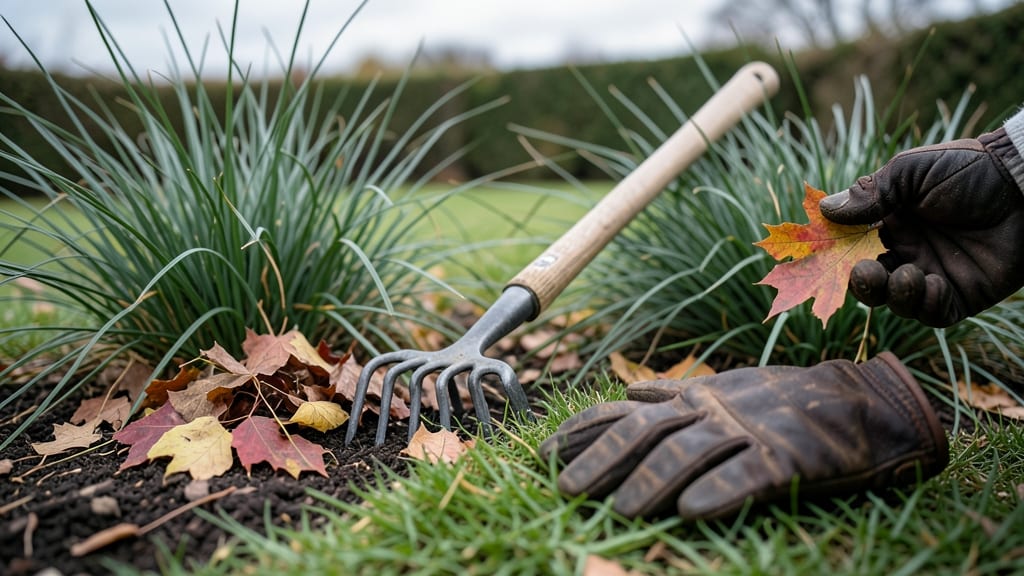
Leaves are bad for the lawn when left unchecked, as they smother grass by blocking sunlight, trapping moisture, and creating a suffocating layer that chokes roots and encourages fungal growth. Removing them promptly prevents long-term damage and keeps grass healthy.
Leaves may seem harmless, but they create a thick blanket that blocks sunlight from reaching your grass, which is essential for photosynthesis. 🌱 When leaves pile up, they also trap moisture, creating a damp environment that promotes fungal diseases like snow mold.
Over time, this suffocating layer weakens grass roots, leaving your lawn vulnerable to brown patches and poor recovery. The key is to act quickly—removing leaves within a few days can make all the difference in maintaining a lush, healthy lawn.
For best results, I recommend raking leaves regularly during fall, especially after heavy storms. If you prefer a hands-off approach, consider a leaf blower or mulching mower to break down leaves into smaller pieces, which can then be composted or used as mulch in garden beds.
This not only keeps your lawn healthy but also reduces waste by repurposing organic matter.
💡 In This Article
- How Fallen Leaves Harm Grass Roots
- Best Methods to Remove Leaves Without Damaging Grass
How fallen leaves harm grass roots
When leaves accumulate on your lawn, they create a physical barrier that blocks 40-60% of sunlight from reaching the grass blades. This light deprivation disrupts photosynthesis—the process where grass converts sunlight into energy to grow and repair itself. Without adequate light, grass blades weaken, turn yellow, and eventually die off.
The thicker the leaf layer (typically 1-2 inches or more), the more severe the damage becomes, as it traps even more light and creates a suffocating mat.
The trapped moisture beneath leaves transforms your lawn into a damp, anaerobic environment—essentially cutting off oxygen to the grass roots. In this condition, beneficial soil microbes struggle to thrive, while harmful pathogens like snow mold (a fungal disease) find ideal conditions to spread.
Studies show that lawns with leaf layers thicker than ½ inch experience 30% more fungal activity compared to clean lawns, leading to brown patches that persist even after leaves are removed. 🌱
Another critical issue is how leaves accelerate soil compaction over time. As they decompose, they form a dense mat that prevents water from penetrating the soil, forcing it to pool on the surface.
This creates perfect conditions for thatch buildup—a layer of dead grass and roots that further blocks nutrients and water from reaching the soil. Over 4-6 weeks of neglect, this cycle can leave your lawn permanently weakened, making it difficult to recover even after cleanup.
Leaf thickness plays a surprising role in how quickly damage occurs. A ¼-inch layer of leaves might seem harmless, but it can still reduce sunlight by 20%**, while a 1-inch layer blocks 50% or more.
The key factor is how long the leaves remain—even a thin layer left for 2-3 weeks can trigger stress responses in grass, making it more susceptible to disease and drought. This is why early intervention is critical for preserving lawn health.
Consider this real-world example: In a 2019 University of Connecticut study, lawns left with a 1-inch leaf layer for 6 weeks showed 40% less root growth compared to maintained lawns.
The roots in the neglected lawns were also 30% shallower, making them more vulnerable to temperature fluctuations and foot traffic. This demonstrates how quickly leaves can turn a healthy lawn into a struggling one.
What most people don't realize is that even shredded leaves can cause problems if left unchecked. While they decompose faster, they still create a thick mulch layer that can overheat the soil in sunny climates or trap too much moisture in cooler areas.
The solution? Balance is key—shredded leaves work well as mulch in garden beds but should be removed from lawns to prevent long-term damage. ✨