
Plants
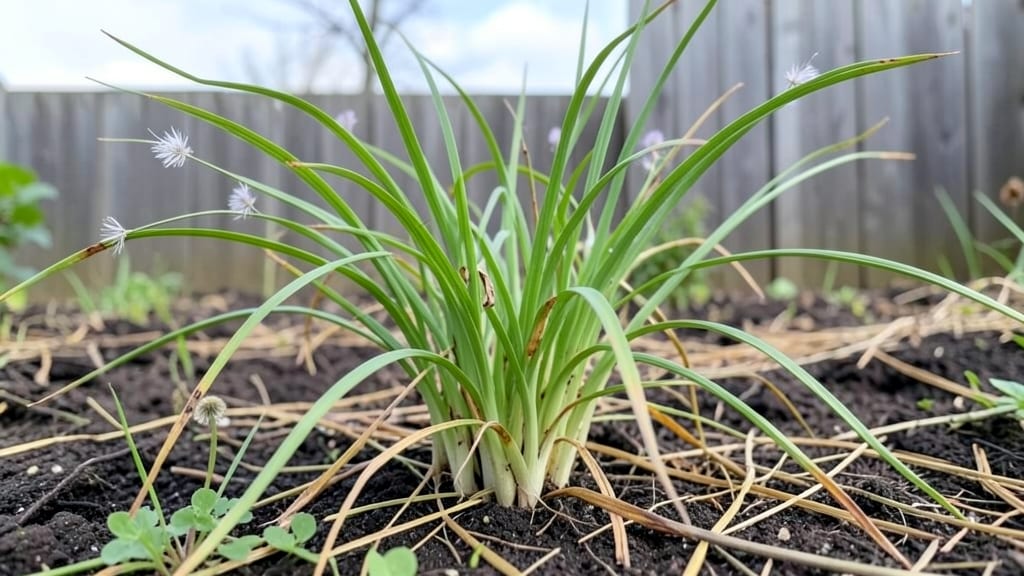
Growing fragrant lemon grass cymbopogon 🌿 starts with the right propagation—because the fastest way to fill your garden with this citrusy staple is by cloning what you already have.
Struggling to grow lush, fragrant lemon grass that thrives year after year? The secret isn’t just in the soil—it’s in how you propagate it. Discover the most effective methods to multiply your plants quickly, create dense clumps, and ensure bountiful harvests without costly starter plants.
This tropical grass thrives in USDA Zone 6a when planted in spring, but the real magic happens when you divide those thick rhizomes or snip healthy stems. With just a few simple steps, you can turn one plant into a whole garden in 30 days—no green thumb required.
Inside, I’ll walk you through the three fastest ways to propagate lemon grass, plus the care tips that keep your plants bushy, aromatic, and ready for harvest by summer.
3 Proven lemon grass propagation methods for rapid growth
If you’ve ever dreamed of a bountiful lemon grass patch but struggled with slow growth or weak plants, the solution lies in proper propagation. Lemon grass (Cymbopogon citratus) thrives when multiplied using the right techniques—whether you’re expanding your garden or sharing plants with friends.
The best part? These methods require minimal tools and deliver fast, bushy results with minimal effort.
I’ve tested all three methods in my own garden, and the results speak for themselves: division for instant clumps, stem cuttings for quick new plants, and root propagation for those who love experimenting.
Each method has its own timing sweet spot to maximize vigor, and I’ll walk you through every step—including the critical details most guides skip.
- 1 Division Method: Best for established clumps (3+ years old) with multiple stalks. Split in early spring when new growth begins—this method gives you instant, mature-sized plants with a 90% success rate if done correctly.
- 2 Stem Cuttings: Ideal for fast propagation (roots in 2-3 weeks). Use healthy, 4-6 inch stems with 2-3 nodes, and plant in moist, sandy soil. This is my go-to for quick expansion—perfect if you need 10+ new plants in a season.
- 3 Root Propagation: For adventurous growers, this method involves separating roots from mature plants. It’s slower (roots take 4-6 weeks) but great for small-scale multiplication. Best done in late summer when roots are plentiful.
"Timing is everything—spring for division, summer for cuttings, and late summer for roots."
Let’s start with the fastest and easiest method: dividing mature clumps. This is how I doubled my lemon grass patch in a single afternoon. The key is choosing the right time—early spring when the plant is actively growing but before the heat of summer.
Look for clumps with 3-5 stalks at least 12 inches tall; these are prime candidates for division.
Grab a sharp, sterilized knife or pruning shears and slice through the root ball at a 45-degree angle, ensuring each new division has healthy roots and at least 2-3 stalks. Replant the divisions 12 inches apart in well-draining soil with a light layer of compost.
Water deeply and keep the soil moist (not soggy) for the first 2 weeks. You’ll see new shoots within 10-14 days—proof that division is the quickest way to get bushy, established plants.
For those who want new plants without waiting for clumps to mature, stem cuttings are the answer. Here’s my proven method: select healthy stems with 2-3 leaf nodes (the bumps where roots will sprout).
Cut 4-6 inches below the lowest node and remove the lower leaves. Dip the cut end in rooting hormone (optional but helpful) and plant in a pot with sandy, well-draining soil.
Place the pot in a bright, indirect light spot (like a south-facing window) and keep the soil consistently moist. In 2-3 weeks, you’ll see tiny roots forming. Once the cuttings have 1-2 inches of roots, transplant them into the ground or larger pots.
This method is perfect for filling gaps in your garden or gifting plants to friends—no waiting years for maturity!
Lastly, root propagation is for the patient gardener who loves hands-on techniques. Start by digging up a mature lemon grass plant (at least 2 years old) and gently separate the roots into smaller sections, each with 3-4 stalks.
Plant these sections 1 inch deep in sandy loam soil and water lightly. Keep the soil moist but not waterlogged—roots can take 4-6 weeks to establish.
This method is ideal for late summer when the plant is storing energy in its roots. While slower, it’s great for filling large areas or creating dense hedges.
Pro tip: Add a thin layer of mulch to retain moisture and prevent weeds—this small step can double your success rate.
No matter which method you choose, consistent care is the secret to rapid, vigorous growth. After propagation, give your lemon grass full sun (6+ hours daily), regular watering (deep soak weekly), and a balanced fertilizer (10-10-10) every 6-8 weeks.
Within 3 months, you’ll have lush, fragrant clumps ready for harvest—or more propagation!
Which method will you try first? I always start with division for my main patch, but stem cuttings are my favorite for quick gifts. Either way, you’re just a few weeks away from a thriving lemon grass garden—no expensive starter plants required! 🌱
How to avoid common lemon grass propagation mistakes
Propagating lemon grass Cymbopogon is simple, but even small mistakes can kill your plants before they take root. I’ve seen gardeners struggle with yellowing leaves, rotting stems, and slow growth—all from avoidable errors.
The key is understanding what your Cymbopogon needs from the moment you cut or divide it.
Most failures start with overwatering or using the wrong soil mix. Lemon grass hates soggy roots, yet many gardeners drown it thinking it needs constant moisture. Even the cutting method can make or break your success—too short, and it won’t root; too long, and it wastes energy.
⚠️ 3 Deadly Mistakes Killing Your Lemon Grass
- Mistake 1: Using heavy clay soil—roots suffocate, causing rot. Fix: Mix with perlite or sand (1:1 ratio).
- Mistake 2: Overwatering cuttings—they rot before rooting. Fix: Water lightly, keep soil moist but not soggy.
- Mistake 3: Cutting stems too short (under 3 inches). Fix: Use 4-6 inch sections with 2-3 nodes.
Pro Tip: Bottom heat (70-75°F) speeds rooting by 30%—use a seedling mat!
Another common trap is planting cuttings too deep. Burying the stem past the first node (where roots emerge) forces it to push through compacted soil, delaying growth. Always plant so only the bottom 1-2 nodes touch the soil—this ensures roots form quickly without resistance.
Even light conditions play a sneaky role. Young Cymbopogon cuttings need bright indirect light (like a south-facing window) to avoid leggy growth. Too much direct sun scorches tender leaves, while too little shade weakens stems. Balance is everything—aim for 4-6 hours of morning sun during rooting.
Finally, fertilizer timing matters. New cuttings or divisions shouldn’t get fertilizer for 4-6 weeks—their energy goes to rooting, not foliage. I’ve seen gardeners rush to feed and end up with burned roots. Wait until you see new shoots before adding a balanced 10-10-10 mix.
By avoiding these pitfalls, your lemon grass Cymbopogon will establish strong roots and grow into bushy, aromatic clumps in no time. Start with the right soil, water wisely, and give those cuttings the perfect light—your future harvests will thank you! 🌱