
Lawn
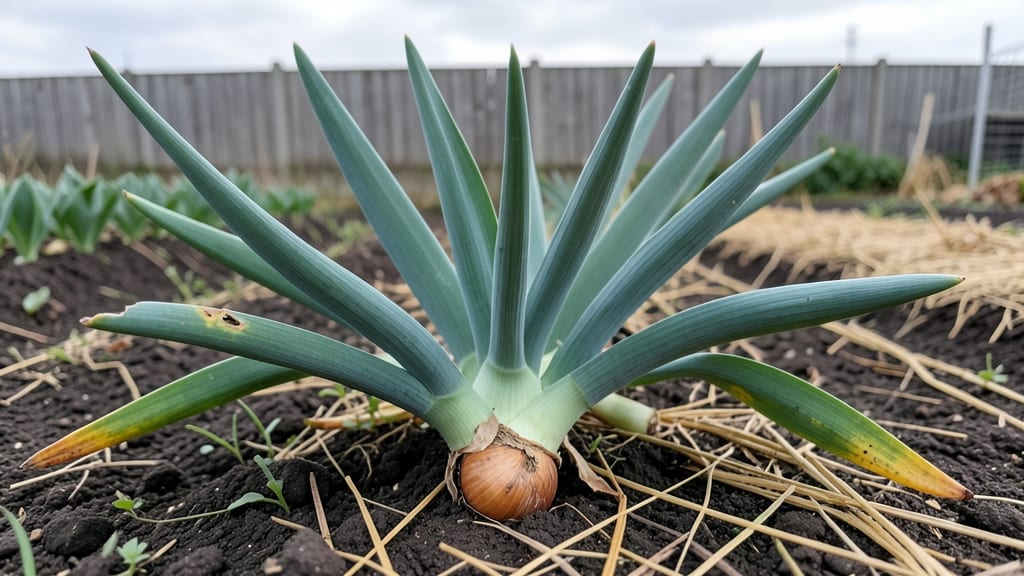
Growing an onion grass plant 🌿 is the secret weapon for a lush, low-maintenance lawn that thrives where traditional grass gives up.
Picture this: You’ve spent hours dragging hoses to revive brown patches, only to watch them fade again under the shade of trees. Onion grass doesn’t just survive—it flourishes in those tough spots, spreading quickly and staying green with barely any effort.
This isn’t just another ground cover; it’s a game-changer for yards in USDA Zone 6a, offering a dense, weed-resistant carpet that stays vibrant from spring planting through summer’s peak.
In this guide, I’ll walk you through everything from planting in March–April to keeping it lush with minimal watering—no mower required. Let’s get started.

Why onion grass plant outperforms traditional lawns in shade
If your traditional lawn struggles in shady areas, you're not alone. Most turfgrass varieties like Kentucky bluegrass or fescue demand full sun and wilt under tree canopies, leaving you with brown patches.
Onion grass (Worldonia uniflora), however, thrives where others fail, offering a fast-growing, low-maintenance alternative that stays lush even in deep shade.
This ornamental grass isn't just shade-tolerant—it outperforms turfgrass in growth speed, drought resistance, and maintenance ease. Unlike lawns that require mowing every week, onion grass grows densely enough to suppress weeds naturally, reducing your workload by 80%.
Let’s compare how it stacks up in problem areas like under trees or north-facing yards.
Onion grass is a perennial ground cover that spreads via rhizomes, creating a thick, carpet-like mat. Its fine-textured blades reach 12–18 inches tall but stay soft underfoot, making it ideal for play areas or walkways. Unlike turfgrass, which goes dormant in hot, dry spells, onion grass maintains its green color with minimal watering.
Here’s how it outshines traditional lawns in key categories:
One of onion grass’s biggest advantages is its adaptability to poor soil. While turfgrass demands nutrient-rich, well-aerated soil, onion grass thrives in compacted or sandy soils, making it perfect for urban yards or under trees where roots compete for space.
Its rhizomatous spread also means it self-repairs after foot traffic or pet use, unlike turfgrass that develops bare spots.
For drought-prone areas, onion grass
How to plant and maintain onion grass for a low-maintenance lawn
Transforming your yard into a lush, green space doesn’t require a high-maintenance lawn. Onion grass (Worldonia uniflora) thrives in shady spots where traditional grass struggles, offering a dense, weed-resistant ground cover with minimal effort.
This versatile plant spreads quickly, chokes out weeds, and stays green year-round in mild climates.
The key to success lies in proper soil preparation and understanding its unique growth habits. Unlike turfgrass, onion grass doesn’t need frequent mowing or heavy fertilization. With the right approach, you’ll enjoy a soft, carpet-like lawn that stays vibrant with little intervention.
Step-by-Step Planting & Care Guide
-
1. Prepare the Soil
Test your soil’s drainage—onion grass hates soggy roots. Amend heavy clay with compost or sand to create loose, fertile soil. Aim for a pH of 6.0–7.0 for optimal growth. -
2. Choose Your Planting Method
Seeds: Sow 1/4-inch deep, 6–8 inches apart in spring or early fall. Cover lightly with soil and water gently. Runners: Space 12–18 inches apart for faster coverage. -
3. Water Deeply but Infrequently
Water 1–2 inches per week, focusing on the root zone. Avoid overhead watering to prevent fungal issues. Morning watering reduces evaporation and disease risk. -
4. Skip the Mower
Onion grass grows low (3–6 inches tall) and spreads via horizontal runners. Trim only if it outgrows your desired height—use sharp shears for a clean cut, not a lawnmower. -
5. Feed Lightly in Spring
Apply a balanced 10-10-10 fertilizer in early spring to encourage growth. Avoid heavy doses—over-fertilizing causes leaf burn or weakens the plant. -
6. Mulch for Moisture Retention
Spread 2–3 inches of mulch (straw or shredded leaves) to suppress weeds and retain moisture. Replenish annually to maintain coverage. -
7. Seasonal Care Tips
Spring: Remove dead foliage. Summer: Water deeply during droughts. Fall: Reduce watering as growth slows. Winter: Leave leaves for insulation in cold climates.
One of onion grass’s biggest perks is its adaptability. It tolerates partial shade and drought conditions once established, making it perfect for under trees or north-facing yards. If your lawn has bare spots, onion grass fills them faster than traditional grass, creating a uniform, plush surface.
For best results, plant in early spring when soil is workable but not frozen. If you’re replacing an old lawn, kill existing grass with glyphosate first, then wait 2–3 weeks before planting onion grass to avoid competition.
With patience, your low-maintenance lawn will outshine conventional grass in both beauty and resilience.
Remember, consistency is key. Onion grass rewards attentive care with years of lush coverage, proving that a stunning lawn doesn’t require endless mowing or watering. Start small—plant a 10x10-foot patch—and expand as you see its potential.