
Lawn
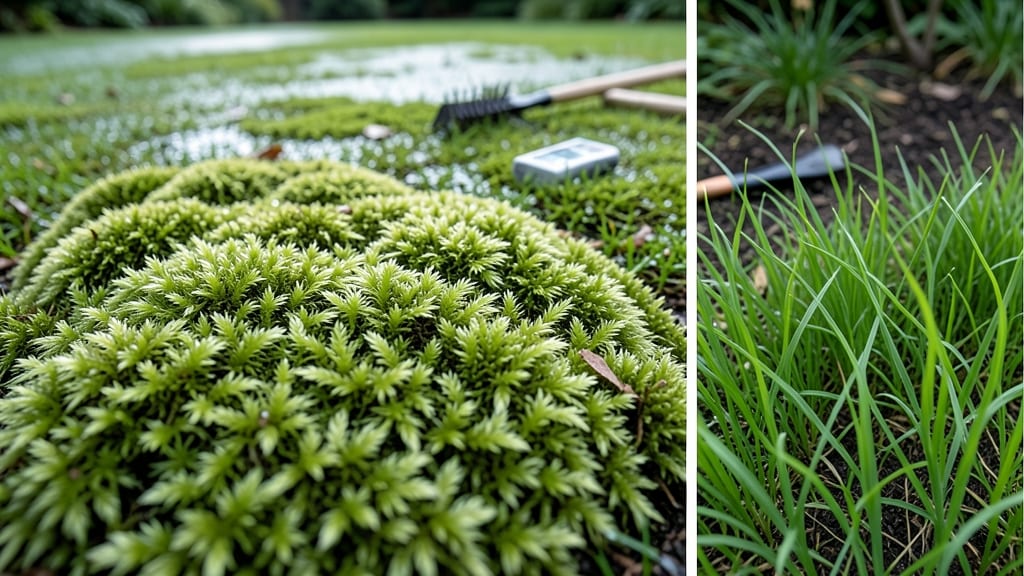
A lawn full of moss isn’t just unsightly—it’s a sign your grass is struggling to compete. 🌱 I’ve battled this spongy takeover in my own yard, and the fix starts with understanding why moss thrives where grass fails.
It’s not just about looks; moss crowds out healthy turf, leaving bare spots that invite weeds and erosion.
The root causes are simple: too much shade, poor drainage, or soil that’s too acidic for grass. Moss loves damp, acidic conditions, while most lawn grasses prefer sunny, well-drained soil with a slightly alkaline pH. My first step? Testing the soil—because fixing the wrong problem just wastes time and money.
You’ll tackle this in layers: improve drainage, adjust pH with lime, and overseed with shade-tolerant grass varieties. Within 3-4 weeks, you’ll see moss receding as grass reclaims its space. The key is consistency—moss fights back, but healthy grass wins long-term.
This isn’t a quick fix, but it’s worth it. A moss-free lawn stays lush, resilient, and ready for seasonal challenges. Let’s get your turf back in control—starting with the right tools and techniques.
The Hidden Triggers Behind Moss Growth
That lush, velvety green carpet of moss creeping across your lawn isn’t just a quirky aesthetic—it’s a red flag signaling deeper issues with your grass’s health.
Understanding the root causes helps you tackle the problem like a pro. Let’s break down the science behind why moss takes over when grass struggles.
Moss thrives where grass can’t. While moss loves shade, most turfgrasses need 4–6 hours of direct sunlight daily to photosynthesize and stay vibrant. When trees, buildings, or even neighboring fences block sunlight, grass weakens, and moss swoops in like a lawn invader.
- Why it happens: Moss spores land everywhere but only germinate where light is limited. Shady spots create a perfect microclimate—cool, damp, and low-light—ideal for moss growth.
- Actionable fix: Prune overhanging branches, thin dense tree canopies, or consider shade-tolerant grass varieties (like fine fescue) if sunlight isn’t an option.
Moss isn’t just a fan of shade—it’s a water lover. If your lawn stays soggy for prolonged periods, moss outcompetes grass roots, which need well-draining soil to thrive. Compacted or clay-heavy soils trap moisture, creating a moss paradise.
- Why it happens: Moss has no roots (it’s a bryophyte, not a vascular plant), so it doesn’t need deep water access. Instead, it absorbs moisture from the surface, thriving in wet, acidic conditions (pH 4.5–5.5).
- Actionable fix:
- Test your soil’s drainage—dig a 12-inch hole and fill it with water. If it drains in <30 minutes, you’re okay; if not, amend with sand or organic matter.
- Install French drains or redirect rainwater away from low spots.
Moss isn’t picky about seasons—it goes dormant in heat but explodes in cool, wet springs and falls. If your region has high humidity, frequent rain, or mild winters, moss gets a head start while grass recovers slowly.
- Why it happens: Moss grows best at 40–70°F. When temperatures drop, grass growth slows, but moss photosynthesizes year-round (even in low light).
- Actionable fix:
- Rake out moss before it spreads in early spring (when it’s still green and active).
- Choose cool-season grasses (like Kentucky bluegrass or ryegrass) if you live in a damp climate.
Moss doesn’t just hate sunlight—it loves acidic soil. If your lawn’s pH is below 6.0, moss will dominate, while grass struggles to access vital nutrients like nitrogen, phosphorus, and potassium.
| Cause | Grass’s Struggle | Moss’s Advantage |
|---|---|---|
| Low pH (<5.5) | Iron and manganese become toxic; roots can’t absorb nutrients. | Moss thrives in acidic conditions and outcompetes grass. |
| High pH (>7.0) | Iron and nitrogen become locked up; grass turns yellow. | Moss still grows but may slow down—though it’s often accompanied by weeds. |
Actionable fix: Test your soil’s pH with a home kit or lab test. If it’s below 6.0, apply lime to raise it. If it’s above 7.0, use sulfur or peat moss to lower it gradually.
Neglected lawns are moss magnets. Thin grass, thatch buildup, and compacted soil create the perfect storm for moss—because once grass weakens, moss moves in like a lawn squatter.
- Why it happens:
- Thatch layer > ½ inch: Blocks water, air, and nutrients from reaching grass roots.
- Compaction: Reduces oxygen flow, suffocating grass while moss thrives in the damp, dense layer.
- No overseeding: Bare spots let moss spores colonize easily.
- Actionable fix:
- Core aerate in fall to relieve compaction and improve drainage.
- Rake out thatch and overseed with a dense grass mix to crowd out moss.
💡 Pro Tip: Moss isn’t always bad—it’s a natural indicator of where your lawn is struggling. Use it as a diagnostic tool! Target the weakest spots first (shady, wet, or compacted areas) to restore grass dominance.
Revive Your Lawn Naturally
A lawn blanketed in moss isn’t just unsightly—it’s a sign your grass is struggling. But don’t worry! With the right approach, you can restore a lush, green lawn while preventing moss from creeping back.
Below, we’ll tackle the most common causes of mossy lawns and outline practical, step-by-step solutions tailored to each issue. Plus, we’ll share pro tips to keep your lawn thriving long-term.
Moss thrives in low-light areas where grass struggles to grow. If your lawn has dense, compacted soil, water and nutrients can’t reach the roots—leaving moss to take over.
Step-by-Step Solution:
- 🔥 Aerate the Soil (Spring or Fall) Rent a core aerator (or hire a pro) to pull small soil plugs from your lawn. This creates air pockets, helping grass roots breathe and water penetrate deeper.
- Pro Tip: Focus on high-traffic areas where compaction is worst.
- 🍳 Top-Dress with Organic Matter (Late Summer/Early Fall) Spread a ¼-inch layer of compost or a 50/50 mix of sand and compost over the aerated areas. Lightly rake it in to blend with the soil.
- Why? This improves drainage and provides nutrients grass loves but moss doesn’t.
- 👨🍳 Overseed with Shade-Tolerant Grass (Early Fall) Choose a fine fescue or Kentucky bluegrass blend designed for low-light conditions. Spread seed evenly and keep the soil moist for 4–6 weeks.
- Bonus: Use a starter fertilizer to give new grass a strong start.
- ⏰ Maintain with Regular Mowing (Every 1–2 Weeks) Keep grass at 3–4 inches tall—taller grass shades out moss naturally. Use a sharp mower blade to avoid tearing grass.
Moss loves soggy conditions. If your lawn stays wet too long, grass weakens while moss spreads like wildfire.
Step-by-Step Solution:
- 🔪 Improve Drainage (Spring or After Heavy Rain)
- Test your soil: Dig a 6-inch hole—if water pools after 24 hours, drainage is poor.
- Fix it: Add gypsum or coarse sand to clay-heavy soil, or install French drains in severely waterlogged spots.
- 🌡️ Adjust Watering Habits (Year-Round) - Water deeply but less often: Aim for 1–1.5 inches per week (including rain).
Use a rain gauge to track. - Water in the morning (before 10 AM) to reduce evaporation and fungal risks. - Pro Tip: Skip watering if rain is forecasted—moss hates dry spells!
- ✨ Apply Lime to Lower Soil pH (Fall) Moss prefers acidic soil (pH 4.5–5.5), while grass thrives at 6.0–7.0. Test your soil with a DIY kit, then spread pelletized lime as needed.
- How much? Follow package instructions—usually 50–100 lbs per 1,000 sq ft.
Grass needs nitrogen, phosphorus, and potassium to outcompete moss. If your lawn is yellowing or thin, it’s starving while moss feasts on the leftovers.
Step-by-Step Solution:
- 📊 Soil Test First (Early Spring) Send a sample to a local extension office or use a home test kit. Results will tell you if you need nitrogen, iron, or other amendments.
- 💪 Fertilize Smartly (Spring & Fall)
- Spring: Use a slow-release, high-nitrogen fertilizer (e.g., 20-5-10) to jumpstart grass growth.
- Fall: Switch to a balanced fertilizer (e.g., 10-10-10) to strengthen roots for winter.
- Avoid: Overdoing phosphorus—it can harm the environment.
- 🥗 Boost with Iron Supplements (If Grass is Yellow) Moss often invades when grass lacks iron or chlorophyll. Apply an iron sulfate or chelated iron product in early spring.
- Safety Note: Wear gloves—iron sulfate can stain skin.
Once you’ve kicked moss to the curb, keep it from returning with these easy maintenance habits:
- 💡 Mow High: Taller grass (3–4 inches) blocks sunlight, which moss needs to grow.
- 🌡️ Keep Soil pH Balanced: Retest every 2–3 years and reapply lime if needed.
- 🔥 Rake & Remove Moss: In early spring, rake up dead moss before it spreads spores.
- 🍂 Leaf Litter Matters: Rake fallen leaves—they smother grass and create perfect moss-growing conditions.
- 🌱 Choose the Right Grass: If your lawn is 60%+ shade, opt for fine fescue or zoysia grass—they tolerate moss better than others.
Final Thought: 🌿 A moss-free lawn starts with healthy grass. Focus on soil, sunlight, and nutrients, and you’ll see a transformation in just a few seasons. Ready to roll up your sleeves? Start with aeration and overseeding—your lawn’s green comeback begins now!
Frequently asked questions
Is moss actually harmful to my lawn?
Moss itself isn't harmful, but it's a clear sign your lawn's struggling. It crowds out grass roots, preventing them from accessing water and nutrients. Over time, this creates bare patches that invite weeds and erosion. Think of moss as a lawn health warning light—it indicates underlying issues like poor drainage, excessive shade, or acidic soil.
Can I just remove moss and expect grass to grow back?
No, simply raking out moss won't solve the problem long-term. Grass needs proper growing conditions to thrive. After removal, you must address the root causes: improve soil pH with lime, enhance drainage, and overseed with shade-tolerant grass varieties. Without these steps, moss will likely return within 3-6 months.
What's the fastest way to kill moss in my lawn?
The fastest method is using a moss killer like iron sulfate or a vinegar solution (1 part vinegar to 3 parts water). Apply when moss is actively growing (spring/fall), then rake it out within 3-7 days. For best results, combine this with soil amendments and overseeding to prevent regrowth.
Will lime really help my moss problem?
Yes, if your soil is too acidic (pH below 6.0). Lime raises the pH, creating conditions grass loves while making it harder for moss to thrive. Apply pelletized lime in fall, then retest soil pH in spring. Most lawns need 50-100 lbs per 1,000 sq ft, but follow package instructions for your specific soil type.
Can I prevent moss with just better mowing habits?
Better mowing helps, but it's not enough alone. Keep grass at 3-4 inches to shade out moss, and always use a sharp mower blade. However, you must also address soil conditions. Mowing alone won't fix drainage issues or acidic soil—those require aeration, lime application, and proper watering techniques.