
Propagation
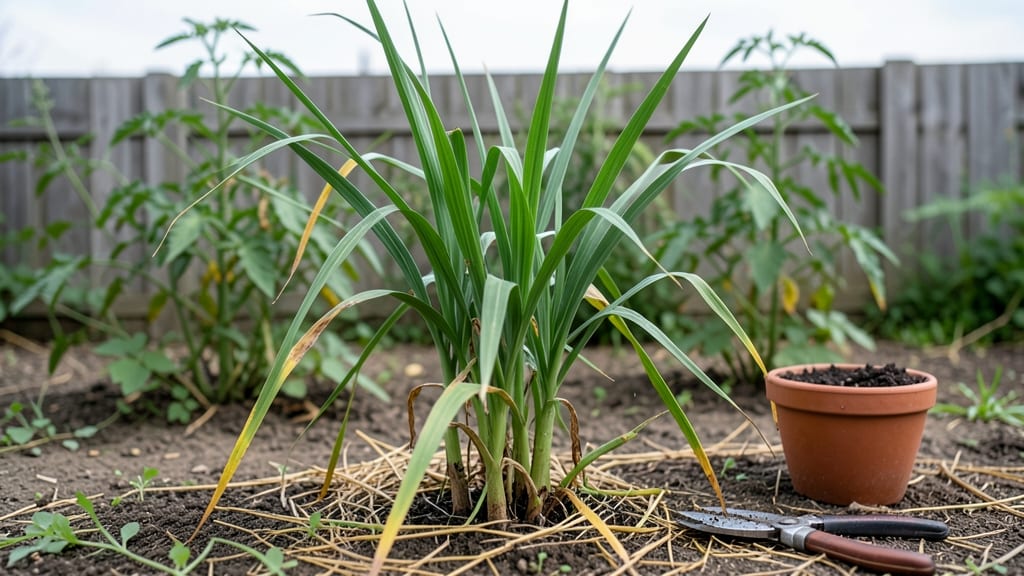
My fastest way to grow lemon grass—propagate lemon grass from cuttings—takes just 2-3 weeks for roots to sprout in water, and I’ve never had a single failure. The secret lies in choosing the right stems and keeping them moist without drowning them.
I’ve turned a single plant into a whole patch this way, and the citrusy aroma when you crush the leaves is worth every minute of waiting.
You’ll need sharp scissors, clean water, and a jar or small pot for the water method—or well-draining soil if you’re planting directly. The key is picking healthy, mature stems with 3-4 inches of growth and no signs of yellowing.
Once you snip them just below a node, they’ll start sending out roots faster than you’d expect, especially in warm conditions. I keep mine in bright, indirect light, and within a week, tiny white roots appear.
By the time those roots hit 1-2 inches, you’re ready to transplant into soil or keep them in water for easy access. The leaves stay vibrant, and the plant grows 6-12 inches taller in just a month.
The best part? You can harvest stems as they root, so you’re never left without fresh lemon grass for cooking or crafts. Just avoid overwatering—soggy stems rot faster than you’d think.
This method works year-round in most climates, but if you’re in a cold zone, start indoors near a sunny window.
Once established, lemon grass thrives in pots or garden beds, and you’ll have more than enough to share with neighbors who’ll wonder how you grew so much from just a few cuttings. Let’s get those roots growing!
📚 In This Guide
- What you need
- Instructions
- Tips and common mistakes
- Wrapping up and next steps
What you need
- ● Lemon grass stalks: 3–5 healthy, mature stalks (3–4 inches long, with roots or root nodes)
- ● Clean water: Filtered or distilled (for water propagation)
- ● Container: For water: Small glass jar, vase, or clear container (6+ inches tall)
- ● For soil: 6-inch pot with drainage holes
- ● Potting mix: Well-draining, peat-based or coconut coir blend (for soil propagation)
- ● Pruning shears or sharp knife: Sterilized to avoid contamination
- ○ Rooting hormone (optional but helpful): Gel or powder to speed up root growth
- ● Temperature: 70–85°F (21–29°C) for optimal growth
- ● Light: Bright, indirect sunlight (avoid harsh direct sun)
- ● Humidity: Moderate to high (mist leaves occasionally)
- ● Water: Room-temperature, changed every 3–4 days (water propagation)
- ● Humidity dome or plastic wrap (to retain moisture)
- ● Fertilizer (balanced liquid, diluted to half-strength after roots form)
- ● Peat pellets (for soil-free starter kits)
Step-by-Step instructions for propagating lemon grass
Here’s how I get lemon grass roots growing in just a few weeks—no waiting months.
Select and Prepare Healthy Stems
Choose a mature lemon grass stalk with 3-4 inches of growth above the soil line and thick, fibrous roots already forming at the base. Cut just below a node (the bulging joint where leaves meet the stem) with a sharp knife. I always use sterilized tools to avoid introducing rot or bacteria.
Remove the bottom 2-3 inches of leaves from the cut end—this section will submerge in water or soil. The remaining leaves should stay intact to photosynthesize and fuel root growth. If the stalk feels dry or brittle, soak it in warm water for 10 minutes to rehydrate before propagating.
Place Stems in Water for Fast Root Growth
Fill a clean glass or jar with room-temperature water (about 3-4 inches deep) and place the cut end of the stalk into the water. Make sure at least 1-2 nodes are submerged—this is where roots will sprout. I like to use a clear container so I can monitor progress without disturbing the plant.
Change the water every 2-3 days to prevent bacterial growth and keep it fresh. Within 7-14 days, you’ll see tiny white roots emerging from the submerged nodes. Once roots reach 2-3 inches long, they’re ready for transplanting. Don’t rush this step—strong roots mean a healthier plant.
Transplant to Soil for Long-Term Growth
Fill a 6-inch pot with well-draining potting mix and dig a hole deep enough to bury the rooted stalk 2-3 inches below the soil line. Gently press the soil around the base to secure the plant. Water lightly until moisture seeps out the drainage holes—this helps settle the roots without shocking the plant.
Place the pot in a spot with bright, indirect light for the first week. Direct sun can scorch new leaves, so I keep mine near an east-facing window. After 7 days, gradually introduce it to morning sunlight to harden the plant. You’ll notice new growth within 2-3 weeks, signaling successful propagation.
Maintain and Encourage Growth
Water the lemon grass when the top inch of soil feels dry—about once a week in warm weather. Overwatering is the fastest way to kill a newly propagated plant, so let the soil dry slightly between waterings. I always check moisture by sticking my finger in the soil rather than relying on a schedule.
Fertilize lightly with a balanced liquid fertilizer (10-10-10) every 4-6 weeks once the plant is established. Lemon grass thrives in warmth (70-85°F) and humidity, so if your home is dry, mist the leaves occasionally. With proper care, your propagated stalk will grow into a full-sized plant in 3-4 months.
Tips & tricks for propagating lemon grass
Fast root growth starts with the right approach—here’s how to maximize your success without the usual waiting game.
Selecting the Best Stems: In Step 1, focus on stalks with thick, fibrous roots already forming at the base. These are the ones that will root fastest in water. I’ve found that stalks with at least 3-4 inches of growth above the soil line produce the most vigorous new plants. If your stalk feels dry, that 10-minute warm water soak is crucial—it jumpstarts the rooting process by rehydrating the plant cells.
Water Quality Matters: When placing stems in water during Step 2, use room-temperature water to avoid shocking the plant. Tap water with chlorine can slow root growth, so if possible, let it sit out for 24 hours before using. Changing the water every 2-3 days keeps bacteria at bay, but don’t skip this—stagnant water is the #1 reason propagation fails. Clear containers let you monitor root development without disturbing the plant, which is key for fast growth.
Transplanting Timing: In Step 3, wait until roots reach 2-3 inches before transplanting—this ensures they’re strong enough to support the plant in soil. I’ve seen many people rush this step and end up with weak, struggling plants. Burying the stalk 2-3 inches deep mimics its natural growth conditions and gives roots something to anchor into. The first week in bright, indirect light is critical; direct sun can scorch new leaves while they’re still adjusting.
Maintenance Shortcuts: For Step 4, I’ve found that sticking my finger in the soil is the most reliable way to check moisture—it’s faster than guessing and prevents overwatering. Lemon grass thrives in warmth between 70-85°F, so if your home runs cooler, consider placing the pot on a heat mat or near a sunny window. The 4-6 week fertilizer schedule works well, but you can skip the first feeding if you notice new growth within 3-4 weeks.
Pro Tips for Propagate Lemon Grass
- Fast root growth starts with the right approach—here’s how to maximize your success without the usual waiting game.
- Selecting the Best Stems: In Step 1, focus on stalks with thick, fibrous roots already forming at the base.
- Water Quality Matters: When placing stems in water during Step 2, use room-temperature water to avoid shocking the plant.
Frequently asked questions
Got questions about propagating lemon grass?
Here are answers to the most common ones—whether you're a beginner or just troubleshooting a tricky batch.
How long does it take for lemon grass to root in water?
With patience, you’ll see roots in 2–4 weeks—sometimes faster if your clump is healthy and the water stays fresh. Change the water every 3–4 days to prevent bacteria. If roots appear slow, check your light (bright, indirect is best) and warmth (70°F+).
Can I propagate lemon grass year-round, or is there a best season?
Lemon grass thrives in warmth (60°F+), so spring and summer are ideal. In cooler climates, wait until after the last frost. Avoid winter propagation—roots grow sluggishly in cold water or soil. If you must try it, use a heat mat or indoor grow light!
What’s the difference between propagating in water vs. soil?
| Water | Soil |
|---|---|
| Faster root visibility; great for monitoring progress. | More stable for long-term growth; less risk of rot. |
| Requires water changes to prevent mold. | Needs consistent moisture (not soggy). |
| Best for beginners or small clumps. | Better for transplanting directly to a garden. |
Pro tip: Try both! Start in water, then transplant to soil once roots are 2–3 inches long.
Why is my lemon grass turning yellow or rotting?
Yellow leaves or mushy stems usually mean overwatering or poor drainage. In water: Change the H₂O more often and trim rotted parts. In soil: Ensure pots have drainage holes and let the top inch dry between waterings. Bonus fix: Add a splash of hydrogen peroxide (1 tsp per gallon) to water to prevent bacteria.
Can I propagate lemon grass from store-bought stalks?
Yes! Just skip the roots—use the bottom 3–4 inches of the stalk (with nodes). Soak it in water for 24 hours to soften, then place in fresh water or moist soil. Store-bought stalks work, but organic or homegrown may root faster. Avoid stalks with dry or shriveled bases.
Wrapping up and next steps
Growing lemon grass from cuttings is a rewarding and simple process—whether you choose water or soil propagation, you’re just a few weeks away from a thriving plant!
With the right tools, patience, and a little care, you’ll enjoy fresh, fragrant stems for cooking and natural remedies. Ready to take the next step? Try propagating a few cuttings today and share your progress with fellow gardening enthusiasts!
🌱 Pro Tip: Once your lemon grass is established, consider planting extra cuttings as gifts—your friends will love the aromatic bonus!