
Lawn
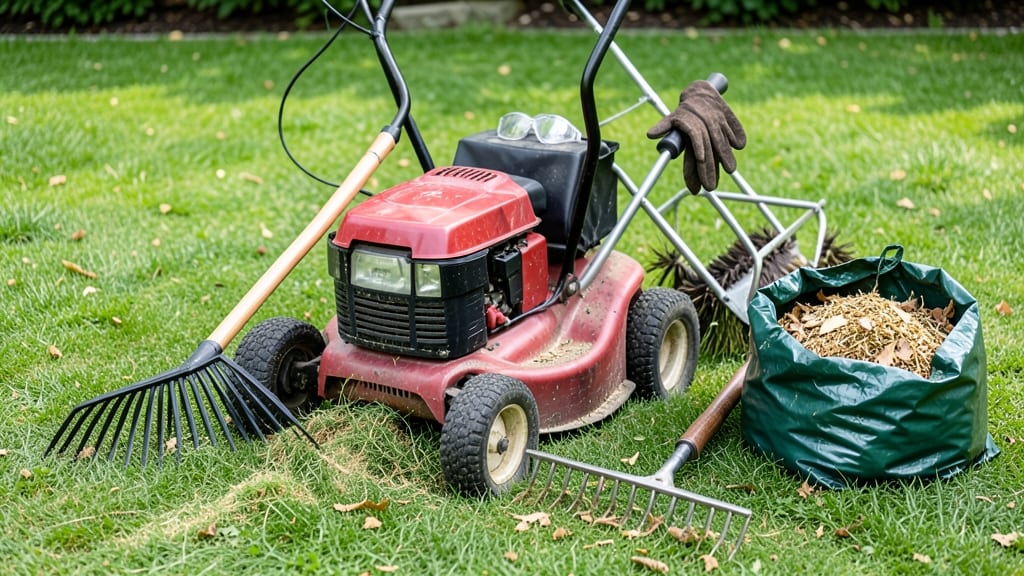
Lawn mowing and leaf clean up isn’t about endless hours—it’s about 30 minutes of strategic lawn mowing and leaf removal that sets your yard up for the season. 🌱 I’ve spent years watching neighbors struggle with clogged mowers and patchy grass, but the real secret is treating the whole process as one efficient task, not two separate chores. The key? Mow first, then tackle leaves while the ground is firm and the debris is dry.
You’ll need just three tools: a sharp mower blade, a sturdy rake or leaf blower, and a compost bin or yard waste bag. The right timing matters too—wait until leaves are mostly dry (after a morning dew) but before they compact into thatch.
My lawn looks thicker and greener by mid-May when I skip the fall cleanup rush and handle everything in one spring session.
What you’re really buying is a lawn that stays healthy without the springtime shock of bare patches. The mower cuts through last year’s growth cleanly, while leaves get raked into rows for easy composting or disposal.
No more fighting clumps or dealing with soggy piles—just smooth, even grass ready for fertilizing.
This method works for any yard size, from small suburban lots to half-acre properties. The only real rule? Don’t skip sharpening that mower blade first—dull blades tear grass instead of cutting it, which stresses the lawn and leaves jagged edges that attract pests.
Once you’ve mastered the one-stop approach, spring cleanup becomes the easiest part of yard work.
📚 In This Guide
- What you need
- Instructions
- Tips and common mistakes
- Wrapping up and next steps
What you need
- ● Lawn mower – Gas, electric, or battery-powered (ensure it’s sharp and well-maintained for clean cuts).
- ● Rake – A sturdy leaf rake (12–18 inches wide) for gathering debris.
- ○ Leaf blower – Optional but highly recommended for larger yards (200+ CFM for efficiency).
- ● Trash bags – Heavy-duty contractor bags (20–30 gallons, 3–5 bags depending on yard size).
- ● Gloves – Work gloves (gardening or heavy-duty) to protect hands from sticks and debris.
- ● Safety gear – Closed-toe shoes, long pants, and sunglasses (or a hat with a brim).
- ● Garden hose or water source – For cleaning the mower blade and rinsing off tools afterward.
- ● Leaf vacuum – For mulching leaves directly into the lawn (great for composting!).
- ● Wheelbarrow or tarp – To haul leaves to a compost pile or curb for pickup.
- ● Knee pads – If you’ll be bending or raking for extended periods.
- ● Mower bag or mulching kit – If your mower supports it, mulch leaves for natural fertilizer!
- ● Handheld leaf collector – Compact and easy for small yards or tight spaces.
Step-by-Step guide to lawn mowing and leaf cleanup
Spring prep doesn't have to be a weekend project—just follow these steps to refresh your lawn in under 30 minutes.
🪴 Step 1: Gather Your Tools and Safety Gear
Start by grabbing your lawn mower (set to the highest blade height for the season) and a leaf rake with sturdy tines. I always wear closed-toe shoes and gloves—you’ll be handling sharp blades and debris, and trust me, you don’t want a rock flying up and catching you off guard. If your mower has a bagging attachment, use it to collect leaves and clippings efficiently.
Check the mower’s oil level and tire pressure before starting—this ensures smooth operation and prevents strain. A quick walk around the yard with the rake in hand helps you spot any debris or obstacles (like toys or branches) that could damage your mower. Clear them first so you avoid mid-mow surprises.
☀️ Step 2: Mow the Lawn in Sections
Divide your lawn into 4 manageable sections (or fewer if it’s small) and work systematically. Start by mowing parallel strips in one direction, then turn and mow perpendicular to the first pass. This creates a clean, striped look while ensuring you don’t miss any patches. Set the mower blade to 3-4 inches high—taller grass shades the soil, retains moisture, and crowds out weeds naturally.
Watch for uneven areas where the mower struggles—these spots often need extra attention. If you notice the grass is wet from dew or rain, wait until it dries. Mowing wet grass clumps clippings and can damage the mower deck. You’ll know you’re on the right track when the lawn looks uniformly trimmed and the clippings are fine and spreadable.
🌿 Step 3: Rake Up Leaves and Debris
After mowing, use the rake to gather leaves, twigs, and any remaining clumps of grass into piles. Focus on thick accumulations first—these can smother grass and invite pests. I like to work in small sections at a time, dragging piles to the edge of the yard or near a compost bin. If leaves are dry and crisp, they make great mulch—just leave them in a thin layer on flower beds instead of tossing them.
Pay extra attention to gutters, downspouts, and drainage areas where leaves tend to pile up. Blocked drains cause water to pool on your lawn, leading to fungal issues. A quick sweep with the rake here saves you from bigger headaches later. You’ll know you’ve done enough when the lawn looks clear and the piles are manageable for disposal or composting.
⏰ Step 4: Bag or Compost the Debris
If you bagged clippings and leaves during mowing, tie the bags securely and set them aside for disposal or composting. For loose piles, use a leaf blower (if you have one) to gather them into a central spot. I prefer composting—just mix the leaves with grass clippings in a 3:1 ratio (leaves to clippings) to create nutrient-rich "leaf mold" over time. This saves money and reduces waste.
Don’t forget to empty the mower’s bagging compartment if you used it—leftover debris can attract pests or clog the mower next time. Store the empty bag or compost pile in a shaded, dry spot to prevent mold or odors. You’ll know you’re done when your yard looks tidy, the debris is contained, and the grass stands tall and even.
✂️ Step 5: Final Touches and Maintenance Plan
Take a quick walk around the yard to spot any missed leaves or debris. Use the rake to tidy up edges, especially near sidewalks, driveways, and garden beds. This step ensures a polished look and prevents future tripping hazards. If you notice bare patches, mark them for overseeding later in the spring—now’s the time to plan for a lush, even lawn.
Finally, sharpen your mower blades if they feel dull (you’ll know because the grass tears instead of cleanly cutting). Schedule a monthly mowing routine to keep your lawn healthy. With these steps, your yard will be ready for spring blooms, barbecues, and all the fun ahead—without the usual spring cleanup chaos.
Tips & tricks for perfect lawn mowing and leaf cleanup
Here's what nobody tells you about making spring yardwork feel like a breeze instead of a chore.
Section Strategy: When you divide your lawn into those 4 sections in Step 2, I've found it works best to start with the sunniest spot first. This lets you avoid the midday heat and gives you a clear view of your progress. If you're working with a sloped yard, tackle the uphill sections last—they usually take more effort and you'll want fresh energy for those.
Blade Height Secret: Those 3-4 inches in Step 2 aren't just a suggestion—they're a science. Taller grass shades the soil better, retains moisture, and crowds out weeds naturally. But here's the trick: if you notice your lawn gets heavy foot traffic, you can drop to 2.5-3 inches in high-traffic areas while keeping the rest at 3-4 inches. This gives you the best of both worlds—durability where you need it and optimal growth elsewhere.
Leaf Management Hack: In Step 3, when you're raking up leaves, save yourself time later by creating two piles right away: one for compost and one for disposal. I use a simple system—if the leaves are mostly brown and dry, they go to compost. If they're mixed with twigs or debris, I set those aside for the trash. This 30-second sorting prevents headaches when you're ready to compost later.
Composting Ratio Reminder: That 3:1 ratio in Step 4 (leaves to clippings) is crucial for creating nutrient-rich leaf mold. Too many leaves can make your compost too acidic, while too many clippings can create a soggy mess. I like to add a handful of soil or finished compost to kickstart the process—it introduces beneficial microbes that speed up decomposition. Store your compost pile in a shaded spot to prevent overheating, which can kill those helpful microbes.
Pro Tips for Lawn Mowing Leaf Clean Up
- Here's what nobody tells you about making spring yardwork feel like a breeze instead of a chore.
- Section Strategy: When you divide your lawn into those 4 sections in Step 2, I've found it works best to start with the sunniest spot first.
- Blade Height Secret: Those 3-4 inches in Step 2 aren't just a suggestion—they're a science.
Frequently asked questions
Got questions about tackling lawn mowing and leaf cleanup efficiently? You’re not alone!
Here are some of the most common queries—plus quick, actionable answers to save you time and hassle this spring.
When is the best time to mow my lawn and clear leaves before spring?
Start mowing after the last frost (check your local frost date!) and when grass is about 3–4 inches tall. Clear leaves now—don’t wait until spring! Wet leaves clump and smother grass, while dry leaves are easier to rake or mulch. Aim for dry, mild days (50–70°F) for best results.
Can I mow over leaves instead of raking them up?
If leaves are small and dry, mulching them with your mower (set blade height to 2–3 inches) saves time and fertilizes your lawn naturally. Just avoid thick piles—they’ll suffocate grass. For large leaves (like oak), rake first or use a leaf vacuum for efficiency.
What should I do if my mower keeps clogging with leaves?
First, stop mowing and turn off the engine! Clear debris from the deck, undercarriage, and discharge chute with a putty knife or leaf rake. Check for tangled grass/leaves in the bagger or mulching kit. Pro tip: Use a leaf-catching bag or side discharge to avoid clogs. Sharpen dull blades too—they tear leaves instead of chopping them.
Is it cheaper to rent equipment or hire a pro for leaf cleanup?
For small yards (<1/4 acre), renting a leaf blower or vacuum ($50–$80/day) is cost-effective. For larger areas, hiring a pro ($100–$300) might save you sweat and time. DIY tip: Borrow a neighbor’s equipment or split costs with friends to cut expenses!
How do I dispose of leaves without bagging them all?
Skip the landfill! Mulch leaves into your lawn (as mentioned above), or compost them in a bin (they break down fast!). For bulk disposal, check if your city offers free leaf collection programs (many do in fall/spring). You can also use leaves as garden mulch or donate them to local farms or schools.
Are there any safety tips for mowing with leaves?
Always wear gloves, eye protection, and closed-toe shoes—leaves and debris can fly! Avoid mowing wet leaves (they’re slippery and clump dangerously). Clear the area of rocks, toys, or pets first. If using a leaf blower, never point it at people or animals—the force can cause injury.
Wrapping up and next steps
Keeping your lawn in tip-top shape doesn’t have to be a time-consuming chore—with the right tools and a little know-how, you can tackle lawn mowing and leaf clean-up in just 30 minutes! Whether you’re prepping for spring or maintaining year-round curb appeal, this one-stop guide makes it easy.
Now that you’re armed with the best techniques, grab your gear and get started—your lawn will thank you!
🚀 Next step: Schedule a quick weekend session to transform your yard into a lush, inviting space. Pro tip: Set a timer to stay efficient and enjoy the satisfaction of a job well done!